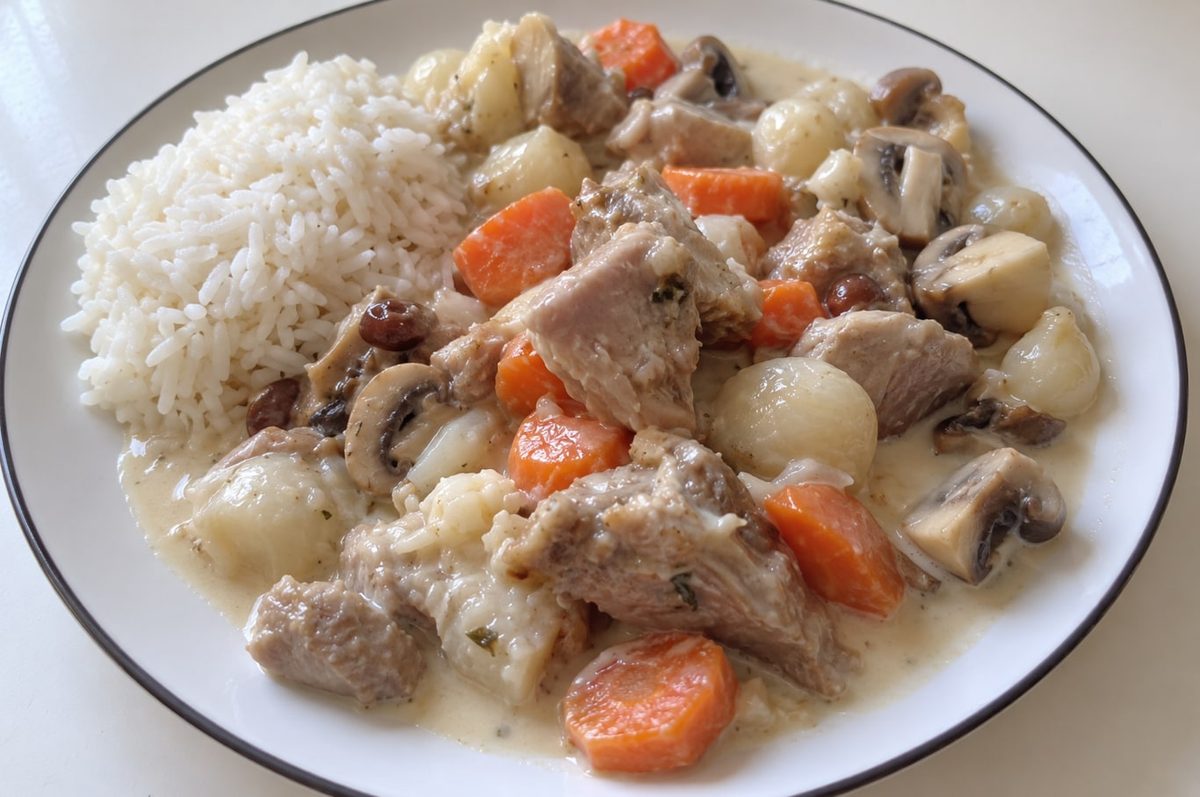
When a French recipe says crème fraîche, look at what it does in the dish. For a quiche, a blanquette or a pan sauce, buy 35% whipping cream; for a cold dollop or a dip, buy 14% sour cream.
Real crème fraîche is sold here too: Liberté makes a 40% one in a 250 mL tub. It's lovely, but many stores don't carry it and the ones that do run out, so don't plan dinner around it.
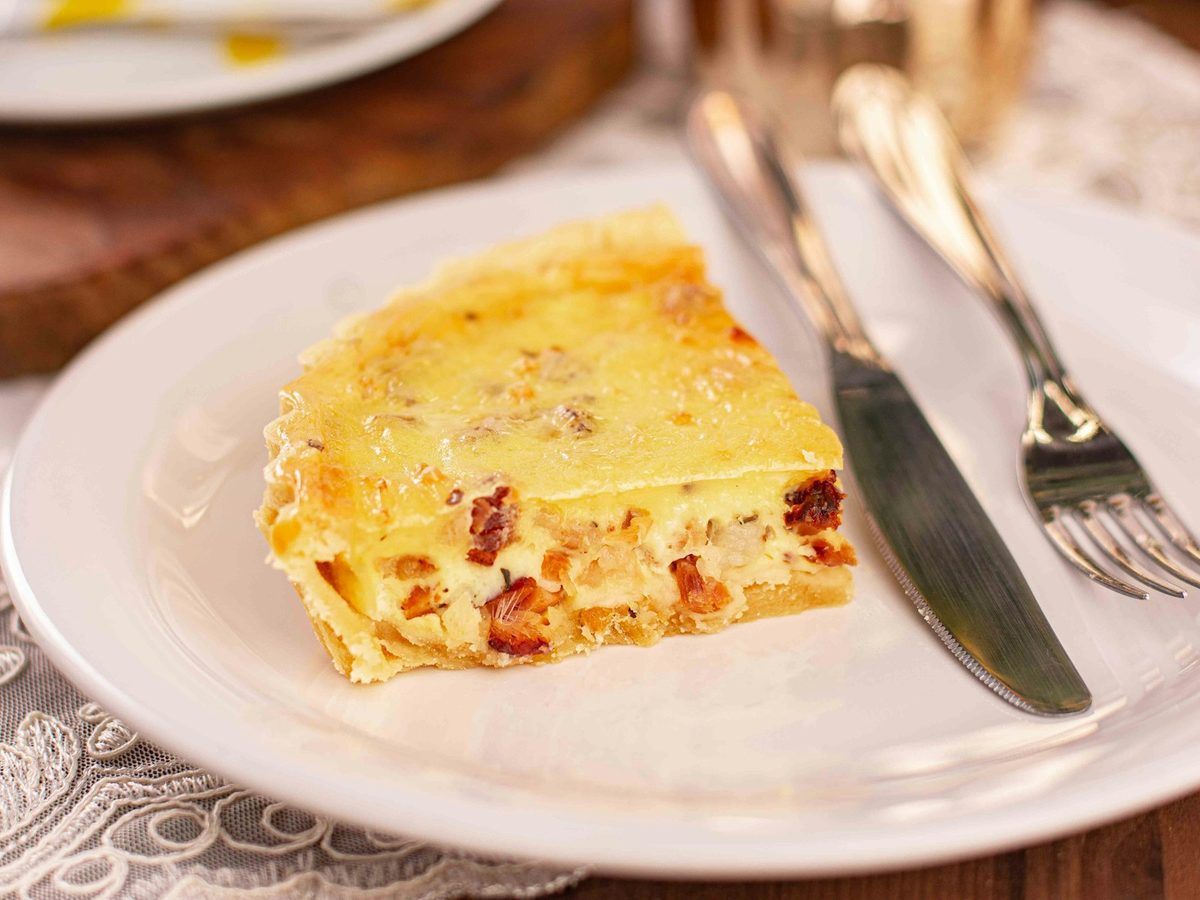
For my own quiche Lorraine here, I buy a carton of 35% whipping cream and pour it in as it is. It has the fat of a French crème fraîche, so the custard sets smooth and doesn't weep, and it's in every dairy case in the country.
In France I'd pick up a tub of crème épaisse without thinking; here the tub is often missing from the shelf, and the carton does the same job in the oven. The quiche comes out a touch less tangy, and once it's baked with eggs and nutmeg the difference is small.
Crème fraîche, épaisse, liquide, double: which is which?
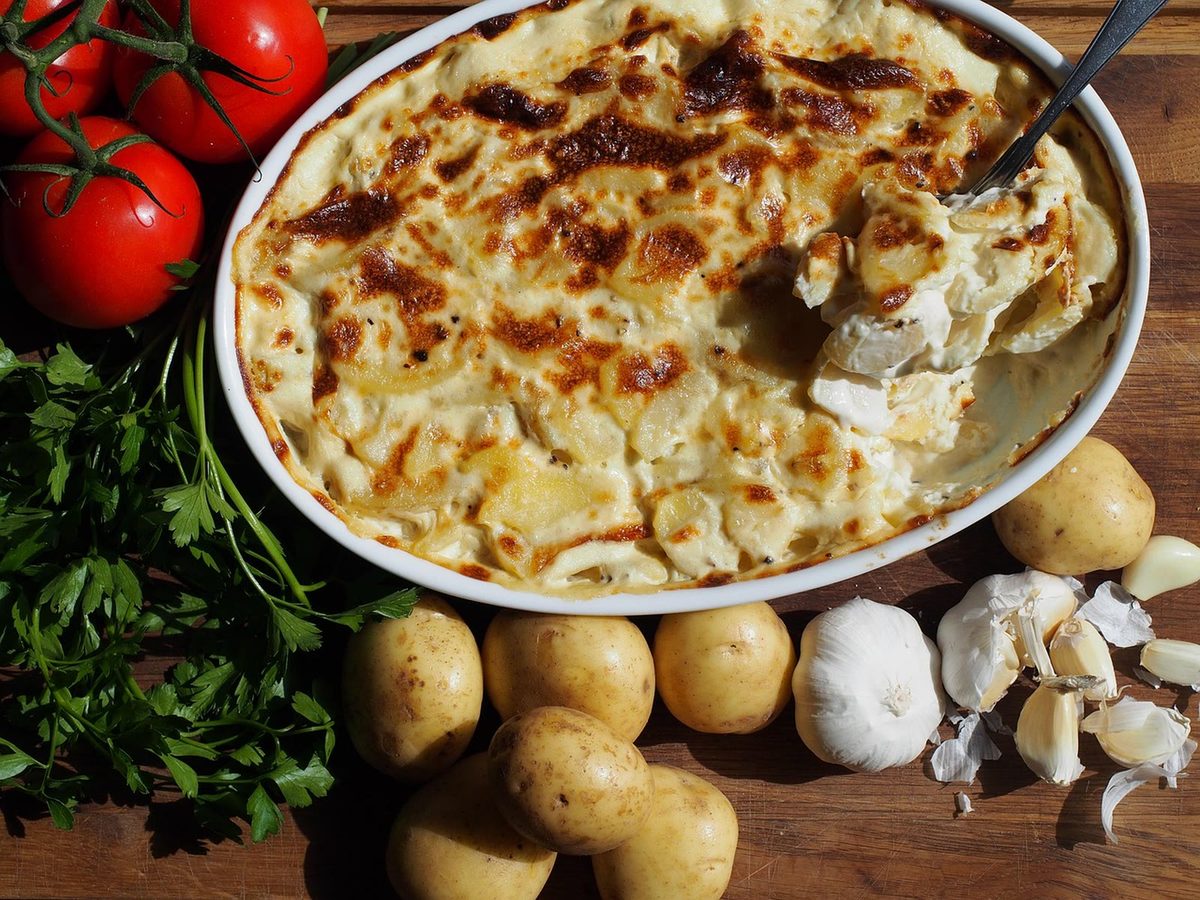
In France, crème fraîche is pasteurized cream with at least 30% fat. It comes two ways: crème fraîche liquide, which pours, and crème fraîche épaisse, which is cultured, so it's thick and a little sour. When a recipe just says crème fraîche, it nearly always means the thick one.
Nothing in a Canadian dairy case is labelled crème liquide. Buy 35% whipping cream: same fat, same job in a gratin, a sauce or a bowl of Chantilly.
Crème double is richer and thicker again; the Swiss spoon it onto meringues. In a recipe, treat it like crème fraîche épaisse.
Can sour cream go in a quiche?
Not on its own. Sour cream is 14% fat, against 30 to 40% for crème fraîche, and without that fat it can split in a hot oven into a grainy, weepy custard.
If you want the tang, mix 2 parts sour cream with 1 part 35% cream. The blend comes out around 21% fat and holds up far better: for 250 mL of crème fraîche, that's about 170 mL sour cream and 80 mL cream.
The quiche Lorraine recipe uses plain 35% cream: the bacon brings the flavour.
What if the recipe just says crème?
In a French recipe, plain crème usually means crème fraîche épaisse in a sauce or a tart, and crème liquide in a gratin. Read what it does in the method. If it's whipped or poured over potatoes, buy 35% cream; if it's spooned on or stirred into a sauce at the end, think crème fraîche, or sour cream when it stays cold.
Cooking cream, whipping cream: reading the Canadian labels
Quebec dairies make a 15% crème à cuisson, or cooking cream: Lactantia's comes in 473 mL cartons, and Quebon sells one labelled Thick. It's thickened with gums so it doesn't break when you add wine or lemon, which makes it a good match for French crème légère in a soup or a light pan sauce.
There's a 35% cooking cream as well, built for sauces. If you also want to whip, buy the carton that says whipping cream.
Not every store outside Quebec has cooking cream. Mix 35% cream and 3.25% milk half and half instead: you get about 19% fat, close enough for a soup, as long as you don't boil it hard with wine or lemon.
When is real crème fraîche worth finding?
When it's the star: a spoonful on a hot tarte tatin, a sauce finished with it straight from the tub, or a dessert where its sourness balances the sugar. Liberté's 40% is shelved with the sour cream; Metro, IGA and Super C carry it in Quebec and Sobeys elsewhere, but stock is patchy, so check before you shop.
At 40% fat it boils without splitting, so in a hot dish you can use it exactly as the French recipe says.
How to make crème fraîche at home
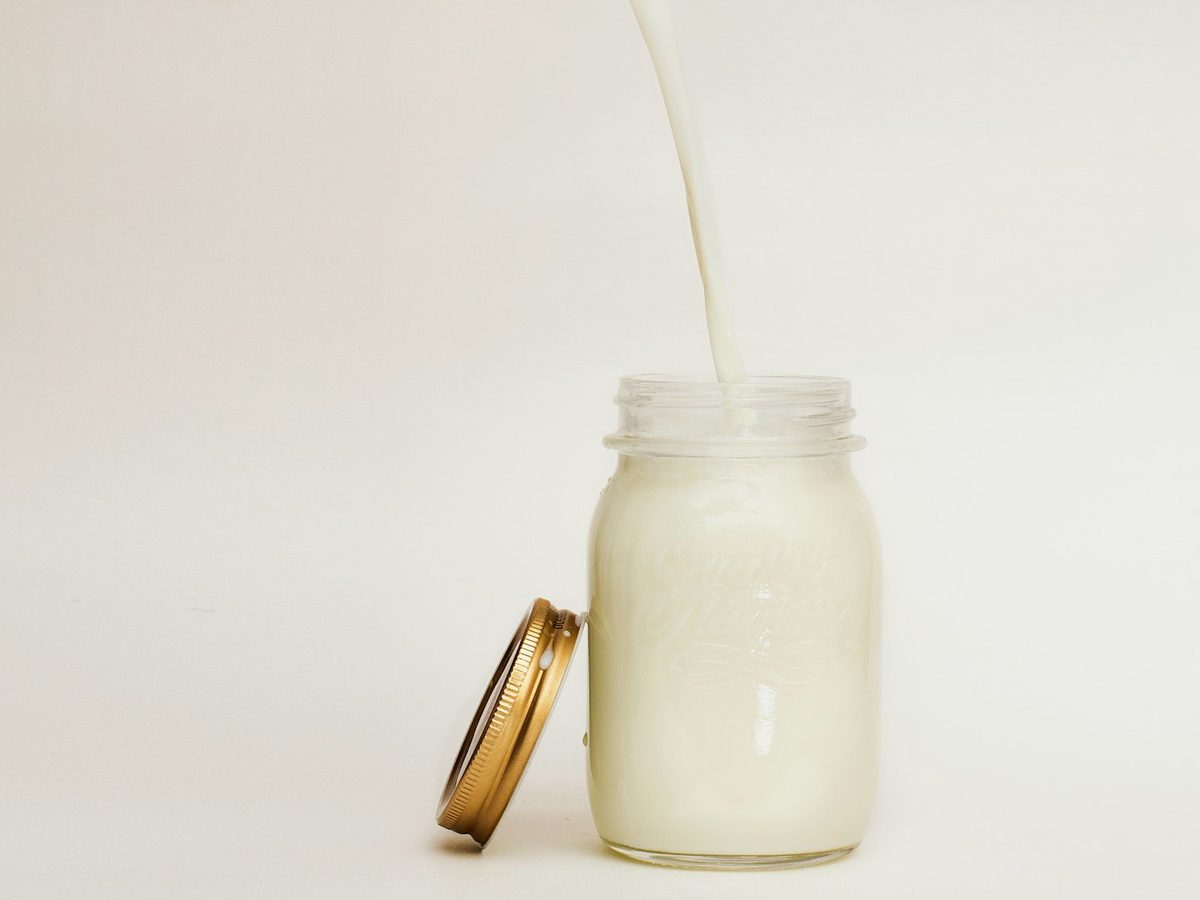
Stir 2 tablespoons of buttermilk into 250 mL of 35% whipping cream in a clean jar. Cover loosely and leave it at room temperature for 12 to 24 hours, until it's thick and smells tangy. Refrigerate it, where it firms up further, and use it within a week.
Canadian buttermilk is cultured and usually 1% fat; Sealtest sells it in 1 L cartons at Sobeys. Make this a day ahead when crème fraîche is the point of the dish and the store had none.
Tarte flambée needs two creams
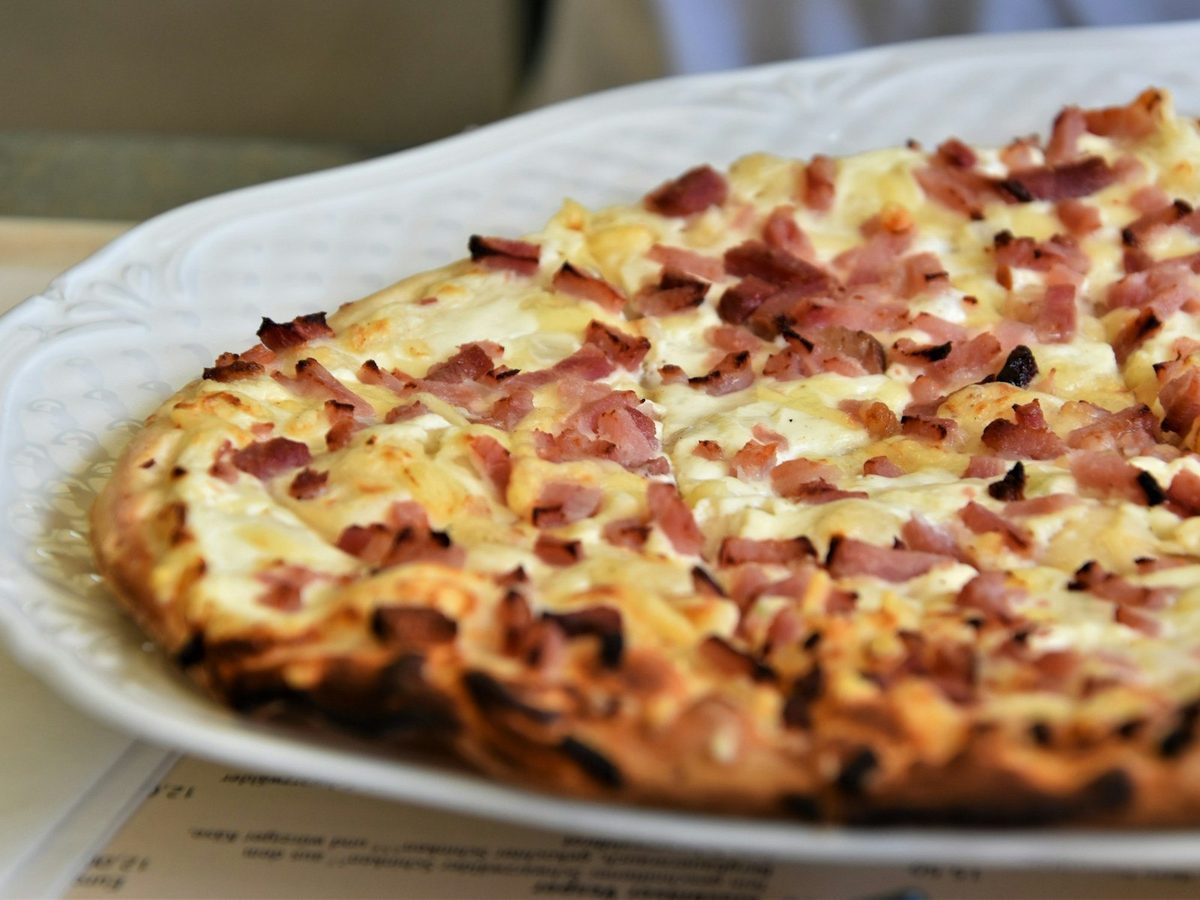
I'm Alsatian, so this one matters to me: a real tarte flambée is spread with crème fraîche and fromage blanc together. Fromage blanc is the harder one to find here, so the tarte flambée recipe uses full-fat ricotta blended smooth with 14% sour cream, half and half. Tre Stelle ricotta (280 g tub) is at Sobeys.
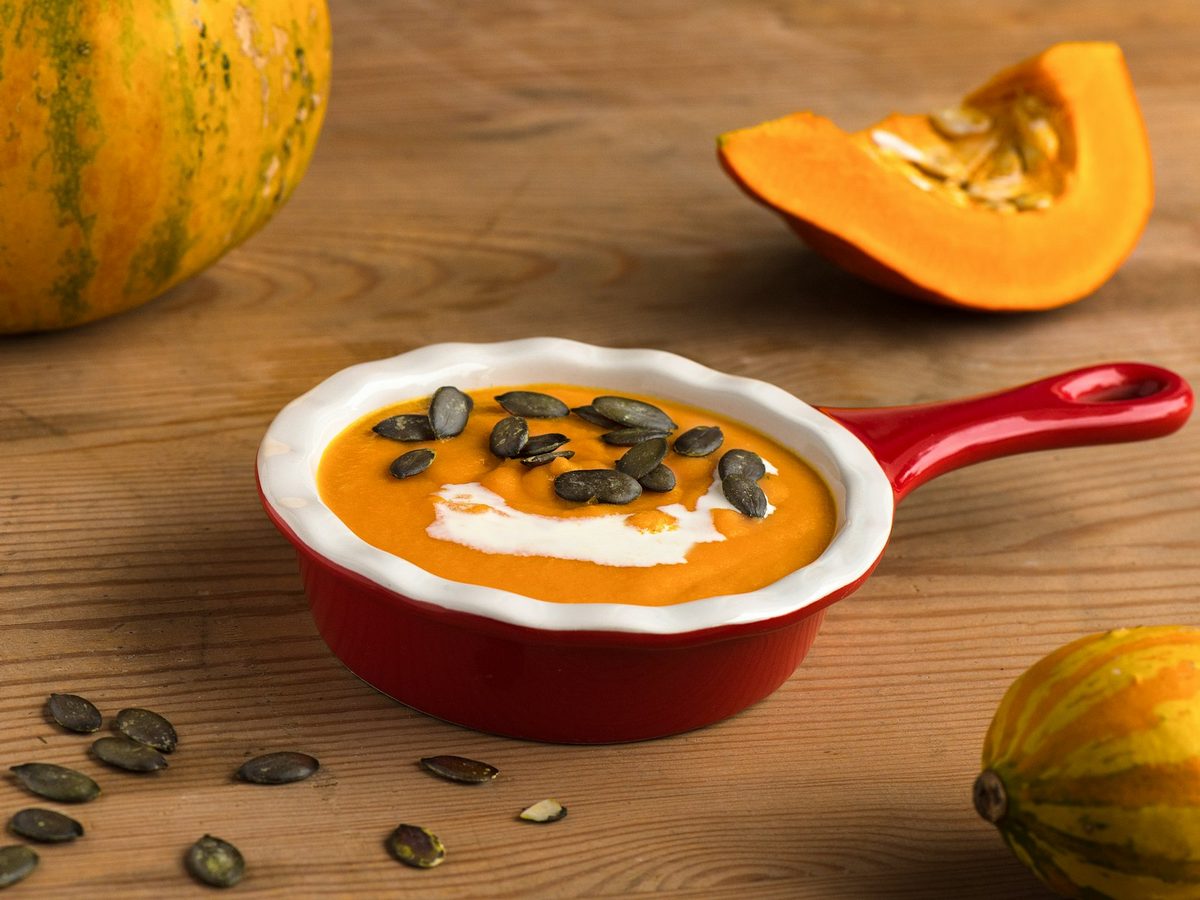
Cold, sour cream also works as a dollop on a fruit tart or a bowl of pumpkin soup. For the cheese side of this, see French cheese in Canada.