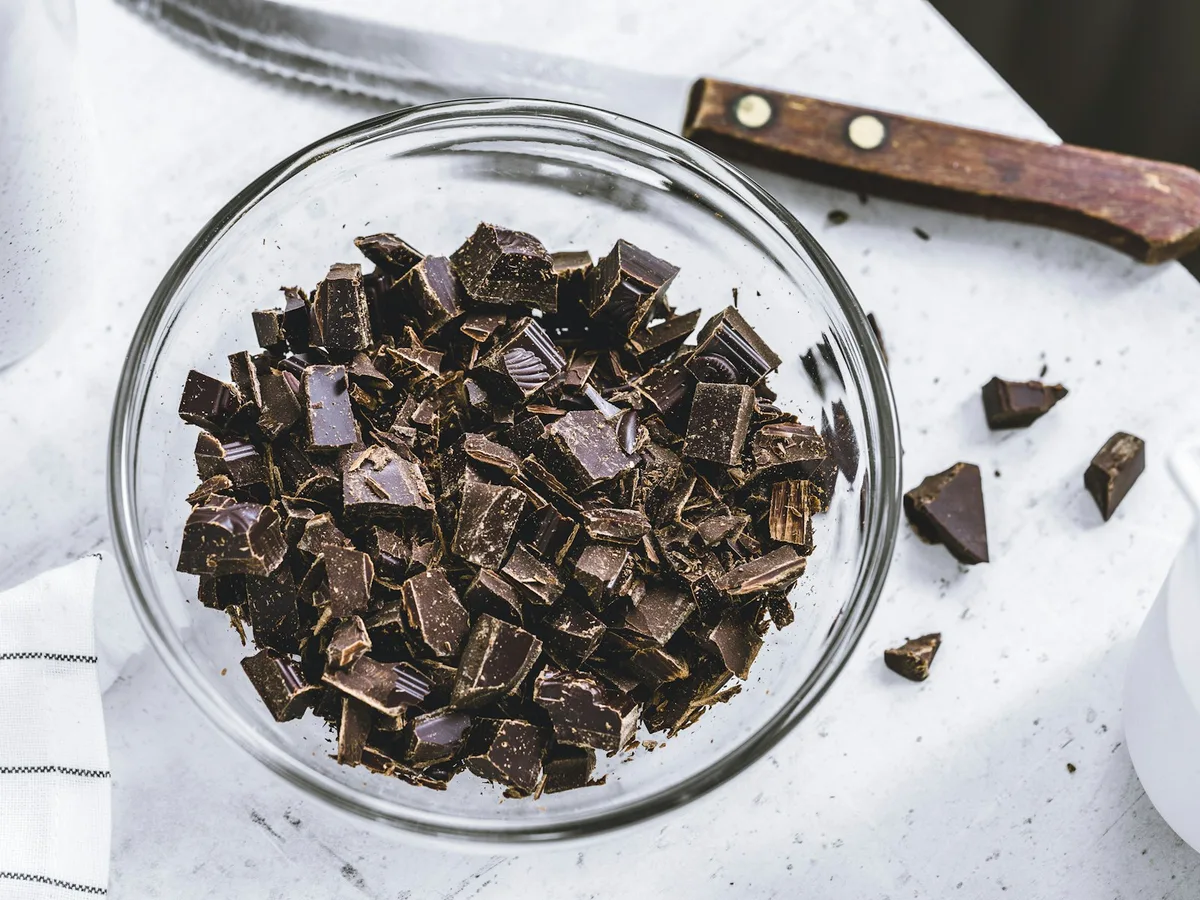
| Chocolat noir pâtissier (environ 52%) | Dark baking chocolate, 50–60% Close to the French baking bar, so cakes and mousses come out as written. |
| Chocolat noir 70% | 70% dark chocolate bar Same percentage, same result. Chop it before melting. |
| Chocolat de couverture | Couverture callets Made for melting and tempering; ideal for truffles, mendiants and bûches. |
| Cacao en poudre non sucré | Dutch-processed cocoa powder Darker and milder, like French cocoa. Use natural cocoa if the recipe relies on baking soda. |
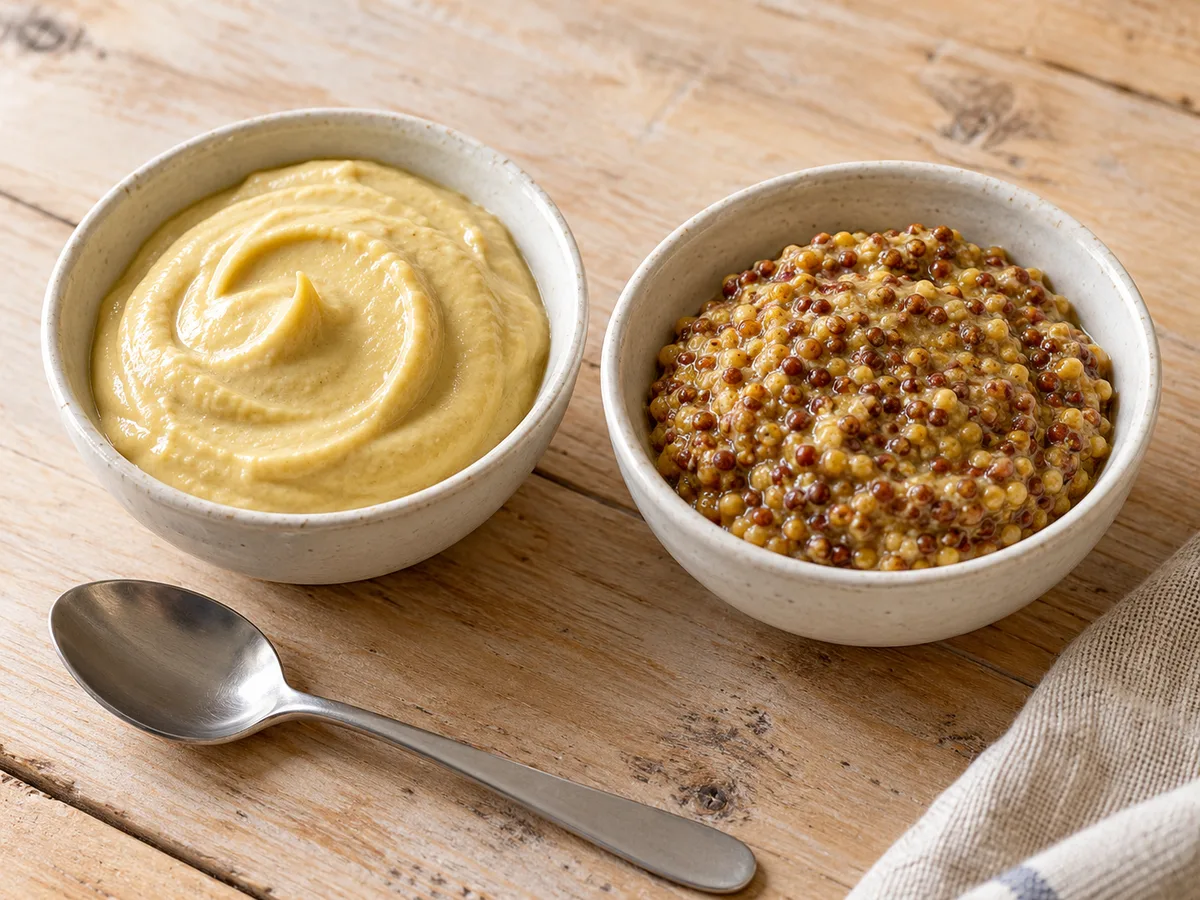
| Moutarde de Dijon (fine et forte) | Smooth Dijon mustard, tasted for heat Same brown seed and method. Heat varies by brand and jar age: taste half a teaspoon, and add a little more to the sauce if it doesn't go up your nose. Never yellow mustard. |
| Moutarde à l'ancienne ou de Meaux | Whole-grain mustard ("old style" on many labels) Partly whole seeds: milder and crunchy. For the side of sausages and pot-au-feu, or stirred into a cream sauce at the end. Smooth Dijon holds a vinaigrette better. |
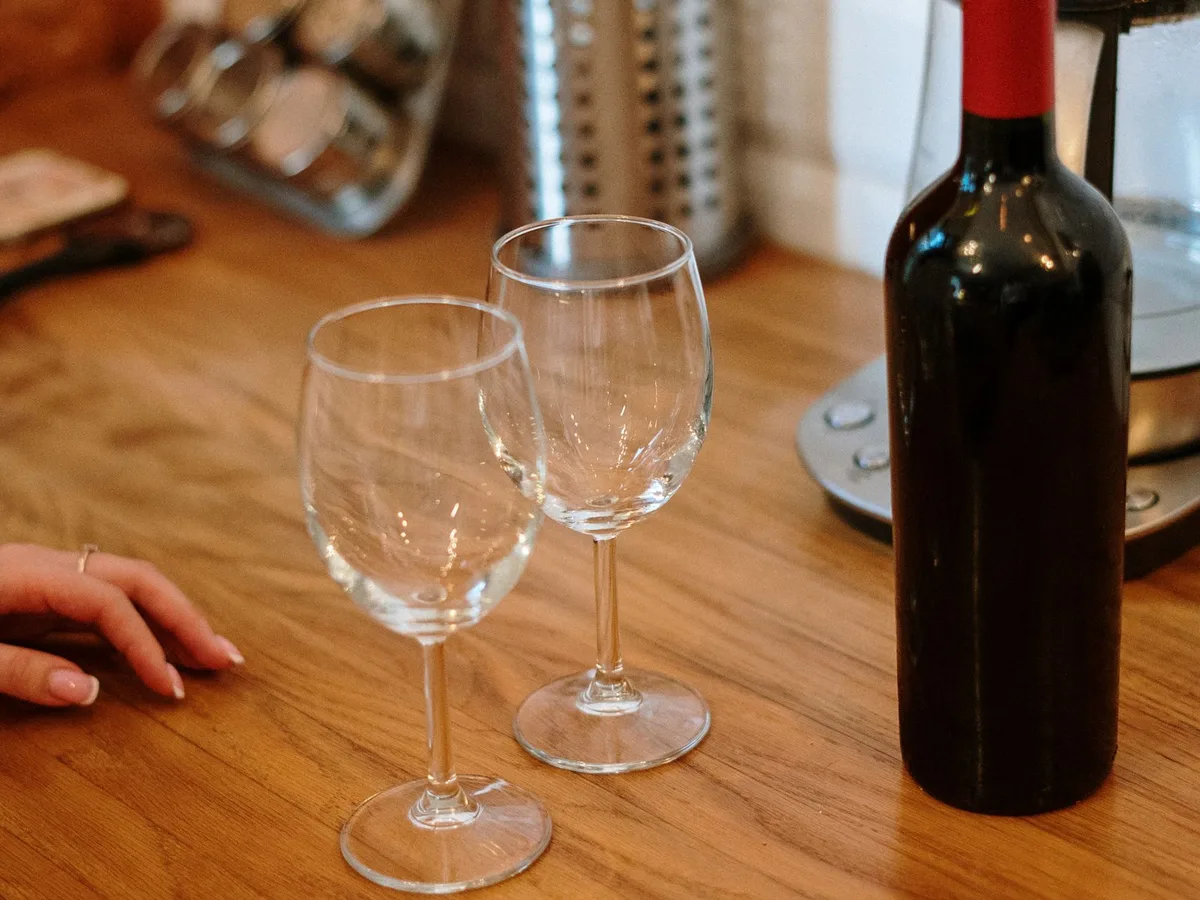
| Vin rouge de Bourgogne | Pinot Noir, or a Gamay on a budget Burgundy's own grape, with light tannins, so the sauce doesn't turn harsh as it reduces. Gamay is lighter still and usually cheaper. |
| Vin blanc sec | Dry, unoaked white wine (Muscadet, Sauvignon Blanc) Acidity without oak or sugar. Off-dry wines sweeten the sauce. |
| Riesling d'Alsace | Dry Riesling, from Alsace or from Niagara or BC Close to the Alsatian style. Check that the label says dry: an off-dry Riesling sweetens a choucroute. |
| Cognac ou Armagnac | Brandy For flambéing and pan sauces, any brandy does the job. Buy a small bottle. |
| Cidre brut | A cider labelled dry, checked for sugar Dry, not sweet, so the sauce stays savoury. Brut on a label doesn't always mean dry. |
| Potiron | Kabocha squash Dense, dry orange flesh like potiron; carving pumpkins are watery and make a thin soup. |
| Poulet fermier | Air-chilled whole chicken Less water in the skin, so it browns like a French bird. |
| Jus de rôti | Pan juices deglazed with water or dry white wine Canadian gravy is thickened with flour; a French jus is thin and tastes of the roast. Skip the gravy mix. |
| Crème liquide entière (30–35%) | 35% whipping cream Same fat as French crème liquide. It boils without splitting and it whips, so it covers gratins, sauces and Chantilly. |
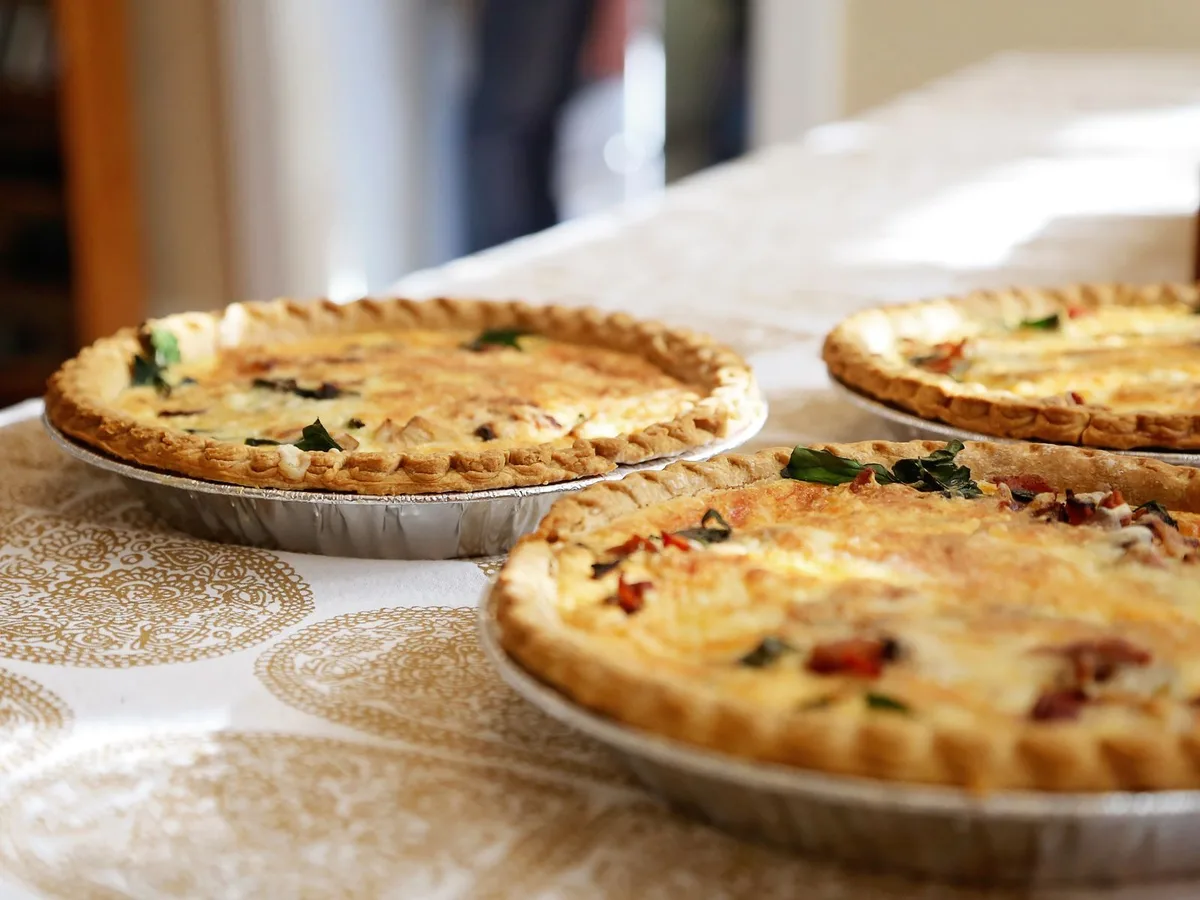
| Crème fraîche épaisse, hot (quiche, sauce, blanquette) | 35% whipping cream, plus 1 tsp lemon juice per 250 mL in a sauce It matches crème fraîche's fat, so it holds at a boil. Stir the lemon into a sauce off the heat to bring back the tang; in a quiche, use the cream as is. Sour cream alone can split in the oven. |
| Crème fraîche épaisse, cold (dollop, dip) | 14% sour cream Same tang, thinner and leaner: 14% fat against 30 to 40%. Perfect cold or stirred in off the heat. It curdles if it boils. For tarte flambée, blend it with ricotta (see below): baked as a thin layer, it doesn't split. |
| Crème légère (12–15%) | 15% cooking cream, or half 35% cream and half 3.25% milk Cooking cream is thickened so it doesn't break with wine or lemon. The home mix lands near 19%, fine in a soup as long as it doesn't boil hard with acid. |
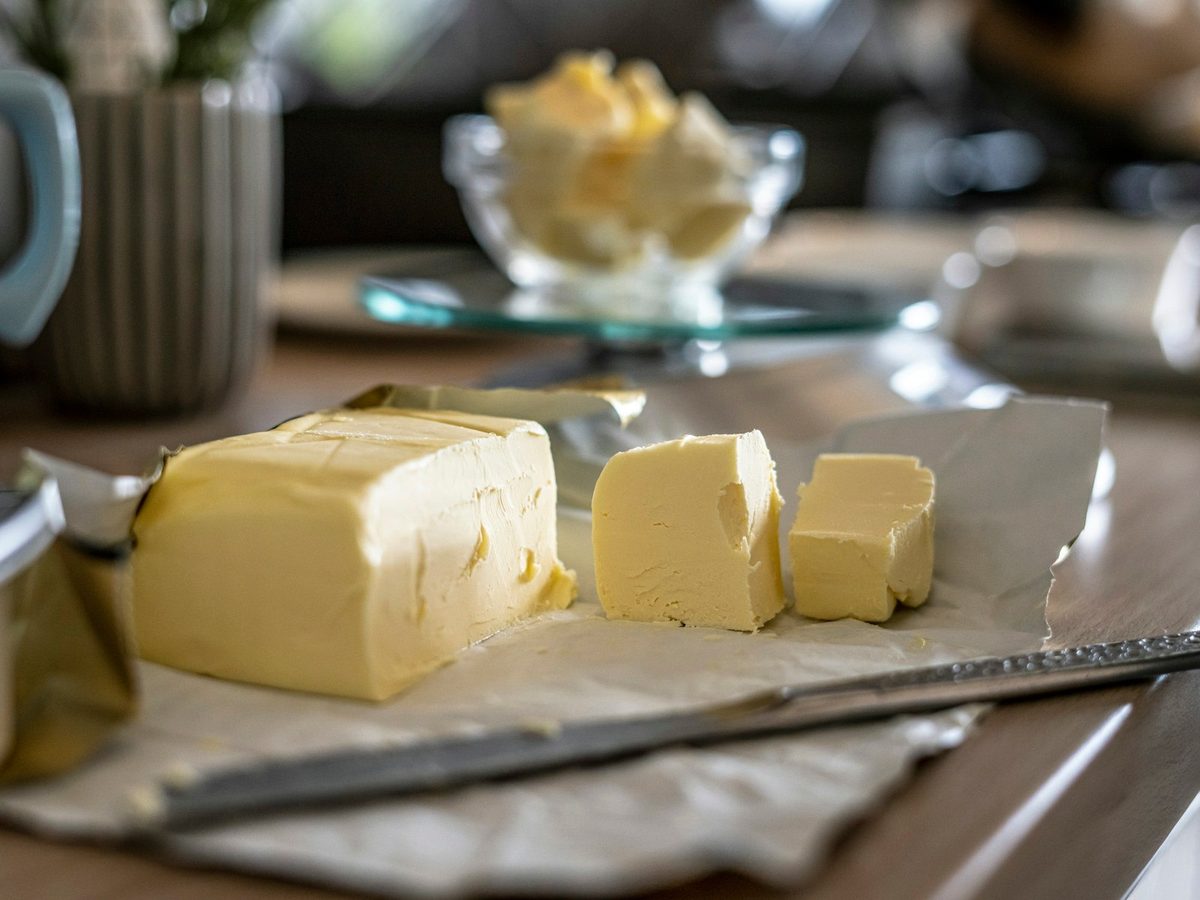
| Beurre de baratte, beurre AOP (feuilletage, kouign-amann) | European-style butter, 82% milk fat Two more points of fat means less water, so cold butter stays pliable and folds into the dough instead of cracking. Regular 80% butter still works if you chill the dough longer between folds. |
| Une plaquette de beurre (250 g) | 250 g weighed from a 454 g block Half a Canadian block is 227 g, not 250 g. In a cake or pastry, that 23 g gap shows, so weigh it. |
| Beurre demi-sel | Salted butter, tasted first Demi-sel is 0.5 to 3% salt. Canadian wrappers don't give a salt percentage, but the Nutrition Facts table gives sodium per serving: sodium × 2.5 is the salt. If it's mild, add a pinch of flaky sea salt to Breton recipes. |
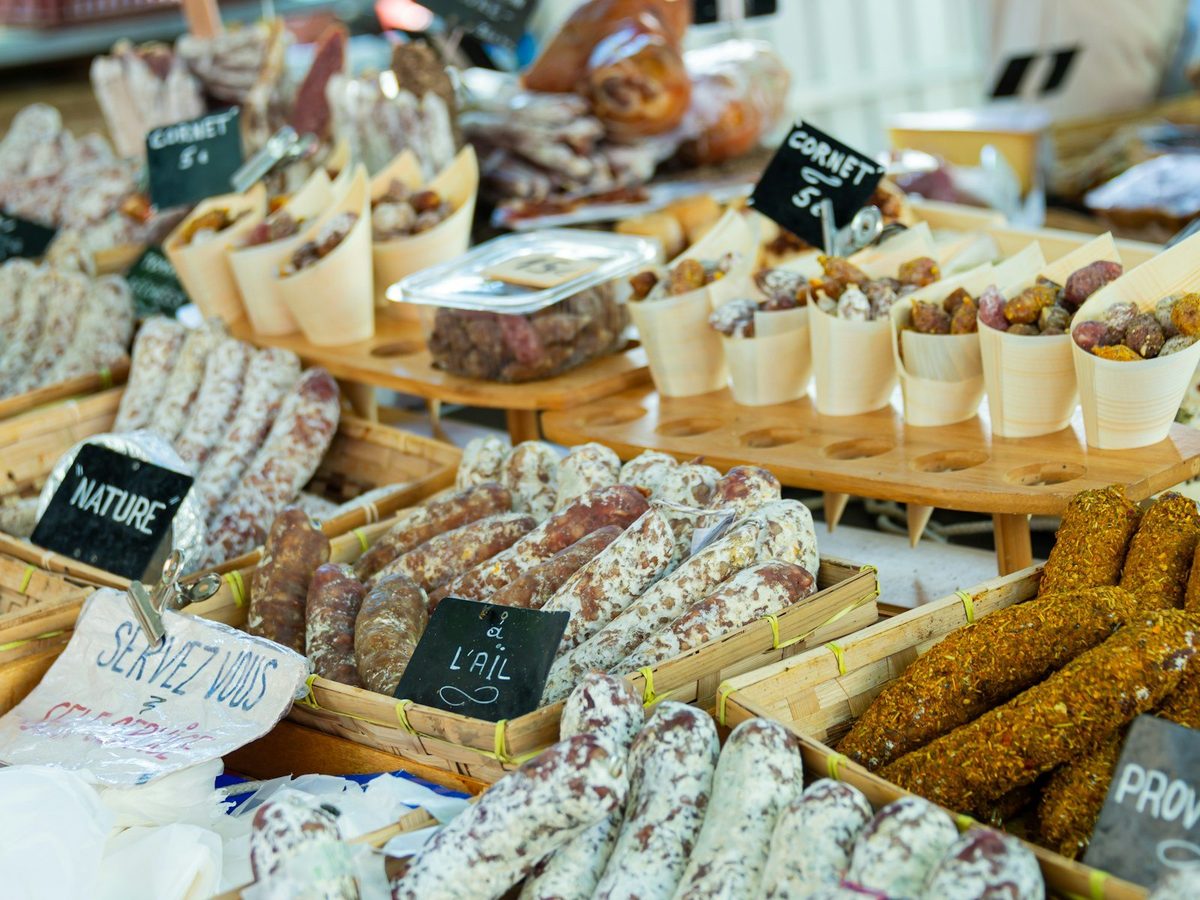
| Saucisse de Morteau ou de Montbéliard | Smoked Polish kolbassa (kielbasa) Already cooked and more garlicky than Morteau. Add it for the last 15 minutes instead of simmering it 30 to 40, or it turns rubbery. |
| Saucisse de Strasbourg (knack) | Natural-casing European wieners Thin, lightly smoked and already cooked, with the snap of a knack. Regular hot dogs are too thick and too soft. |
| Saucisse de Toulouse | Plain coarse pork sausage, no fennel Mild Italian tastes of fennel and breakfast sausage is too fine and sagey. Ask the butcher counter for plain pork. |
| Boudin noir | Quebec boudin noir, or blood sausage from a butcher Morcilla and black pudding are close but firmer, with rice or oatmeal. Fry them gently: they split over high heat. |
| Lard salé | Salt pork Unsmoked cured pork, saltier than bacon. Blanch it 2 to 3 minutes before it goes into the pot. |
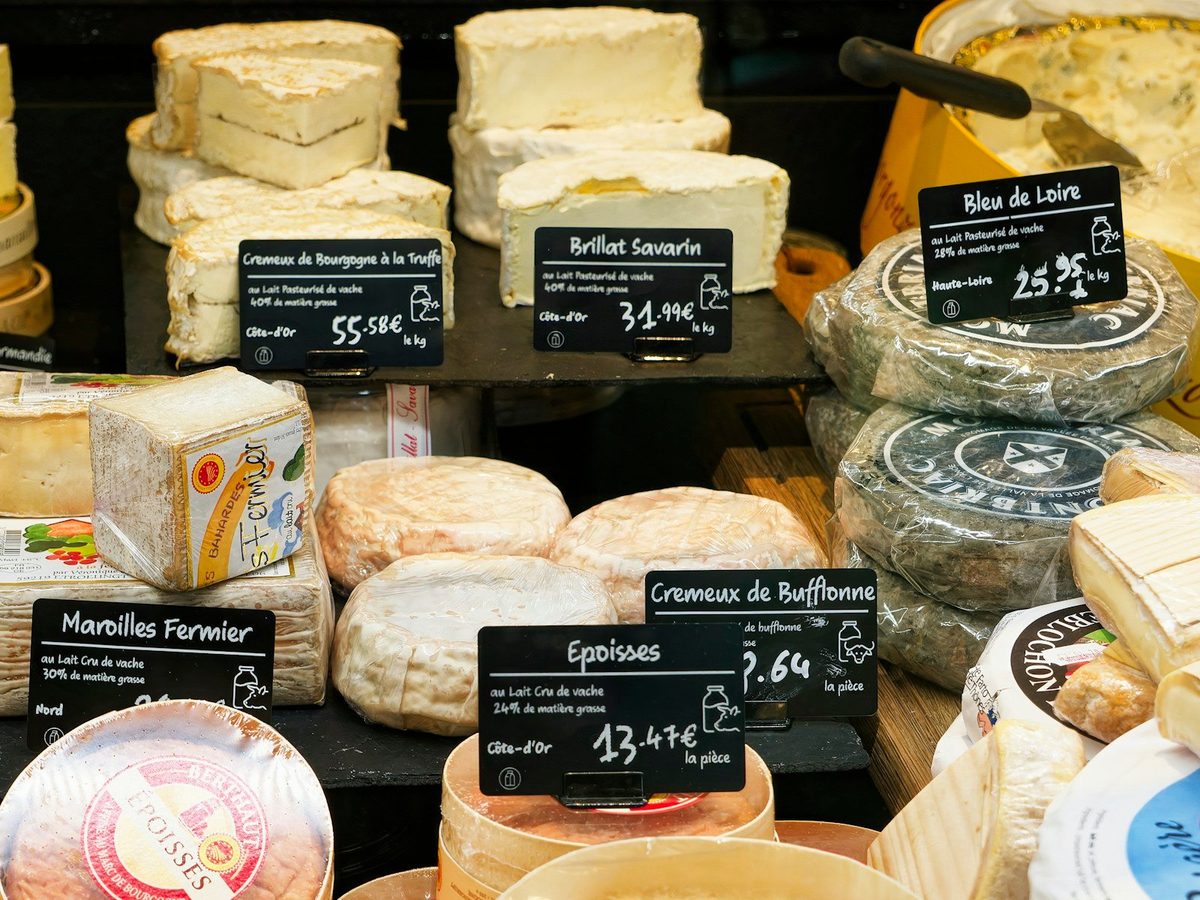
| Beaufort, Comté (fondue, gratin) | Swiss Gruyère, half and half with Emmental Gruyère brings the nutty depth of Beaufort and Comté, Emmental the stretch. For a fondue, count about 200 g of cheese per person. |
| Emmental râpé (croque-monsieur, galette) | Emmental grated from the wedge It's the cheese French supermarkets sell grated for croques: mild, stretchy, browns well. Oka makes a stronger croque, and suits endives au jambon, where its punch stands up to the bitter endive. Mild cheddar fails: it turns greasy. |
| Reblochon | Oka, rind on A washed-rind Quebec cheese, firmer and stronger than Reblochon. Add a splash of 35% cream to a tartiflette so it melts as loose. |
| Munster (Alsace) | Oka, a milder washed-rind cheese Oka has a washed rind like Munster but a much milder smell and taste, so it works where Munster is melted or baked, less well on a cheese board. American Muenster is a different, mild cheese and won't do. |
| Fromage à raclette | Sliced raclette in trays in season, Oka the rest of the year Raclette has to melt into a creamy sheet without oiling. Count about 200 g per person. Oka melts as well but tastes stronger. |
| Tomme fraîche de l'Aubrac | Fresh cheese curds plus Gruyère Curds are young, unripened cheddar that stretches when melted, like tomme fraîche. Gruyère adds the depth curds lack: 350 g curds to 150 g Gruyère for aligot. |
| Fromage blanc | Full-fat ricotta blended with 14% sour cream, half and half Ricotta gives the body, sour cream the tang. Blend until smooth for tarte flambée or a dip. |
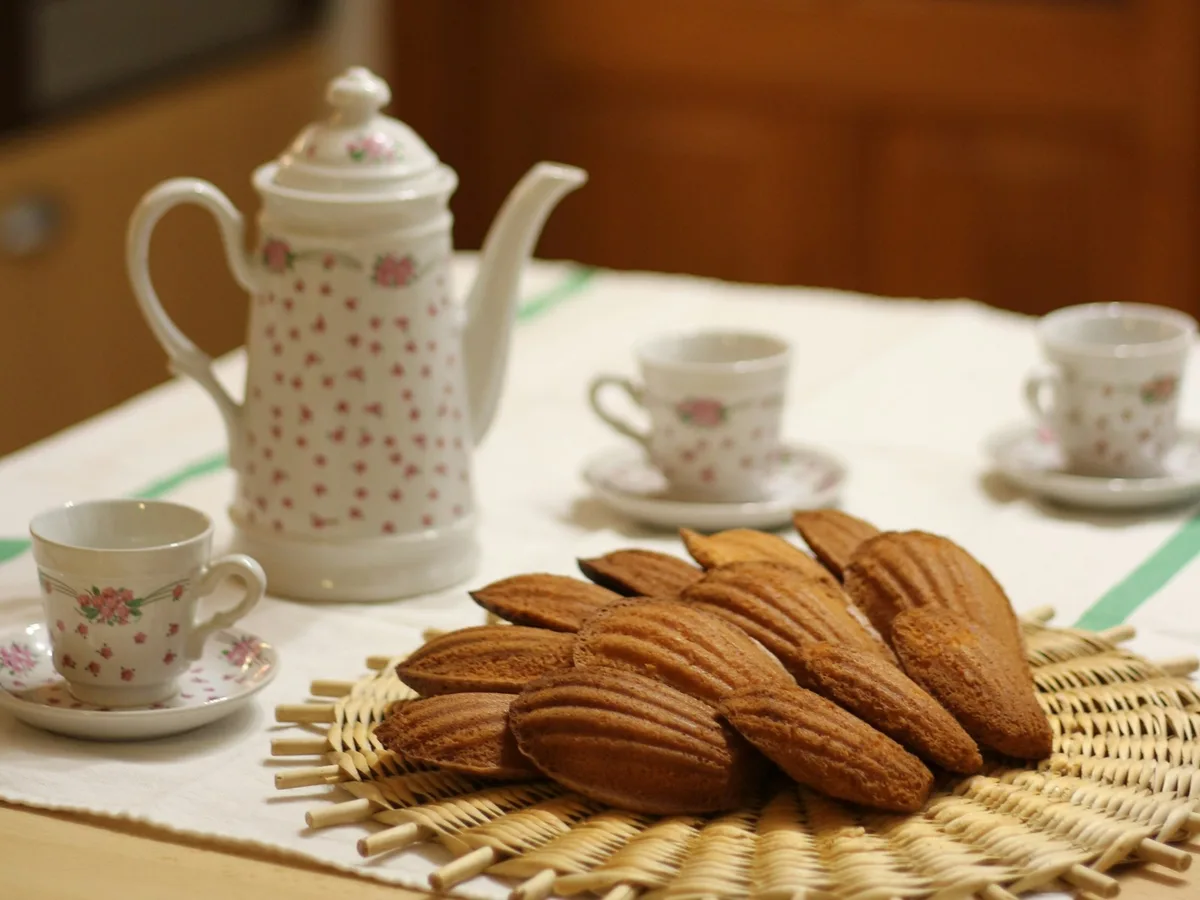
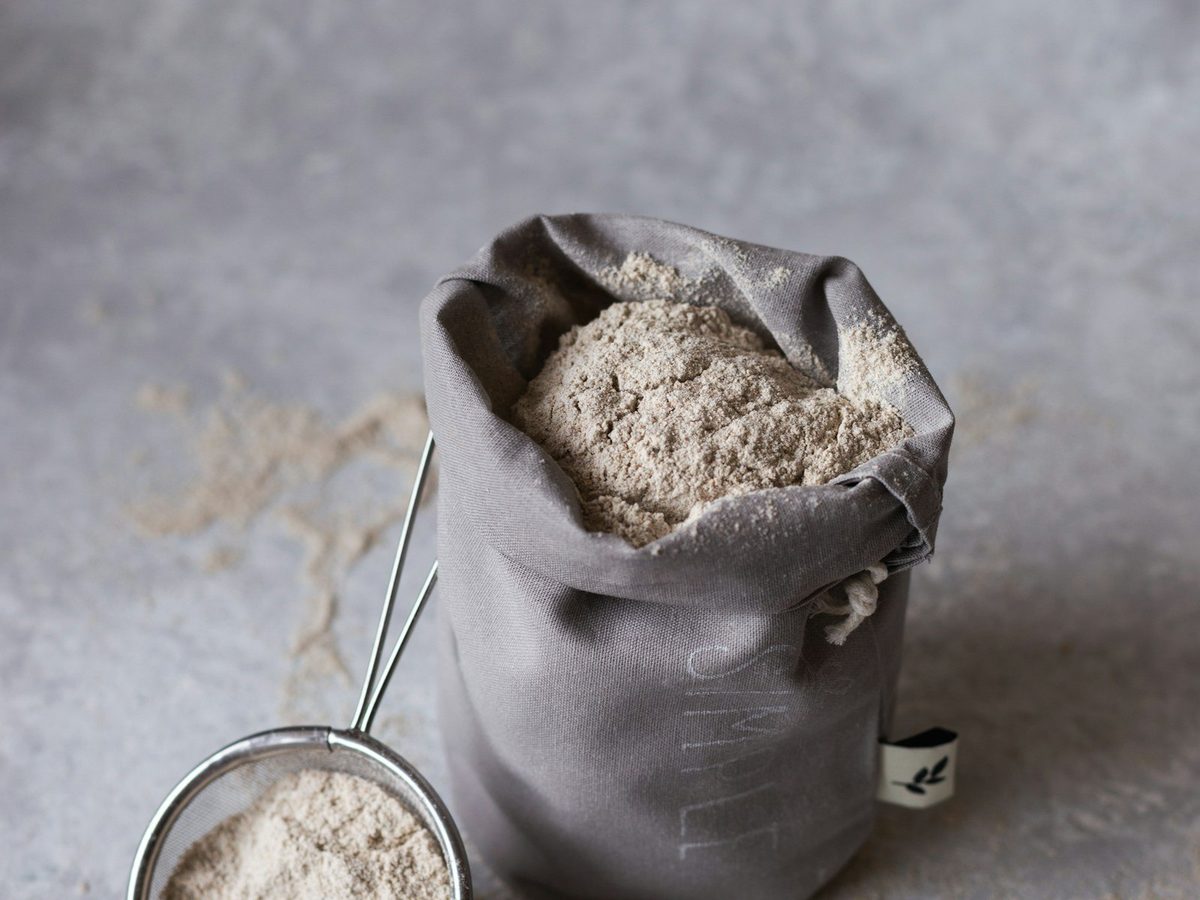
| Farine T45 (pâtisserie) | Cake and pastry flour Plain T45 is soft, around 9–10% protein. Canadian all-purpose, at 12–13%, makes madeleines and génoise chewy. Use cake and pastry flour for cakes and cookies (sablés, financiers) only, never for a yeast dough. |
| Farine de gruau (T45 for brioche, croissants, kougelhopf) | Unbleached all-purpose flour Gruau is the strong T45, around 11–12% protein or more. Canadian all-purpose is about as strong and holds the butter in a brioche. Cake flour here gives a dry, crumbly loaf. |
| Farine T55 | Unbleached all-purpose flour Stronger than T55 (around 10–11%), so rest crêpe batter an hour and tart dough 30 minutes in the fridge. For choux and laminated doughs, the extra strength helps. |
| Farine T65 (pain, baguette) | All-purpose flour, or bread flour for a chewier crumb T65 is already close to Canadian all-purpose. Bread flour adds chew and oven spring to a baguette or country loaf. Keep it out of cakes and cannelés. |
| Farine de sarrasin (blé noir) | Buckwheat flour Breton galettes are 100% buckwheat. Light, fine flour makes a lacier galette than dark stone-ground flour. Some bags carry a wheat warning. |
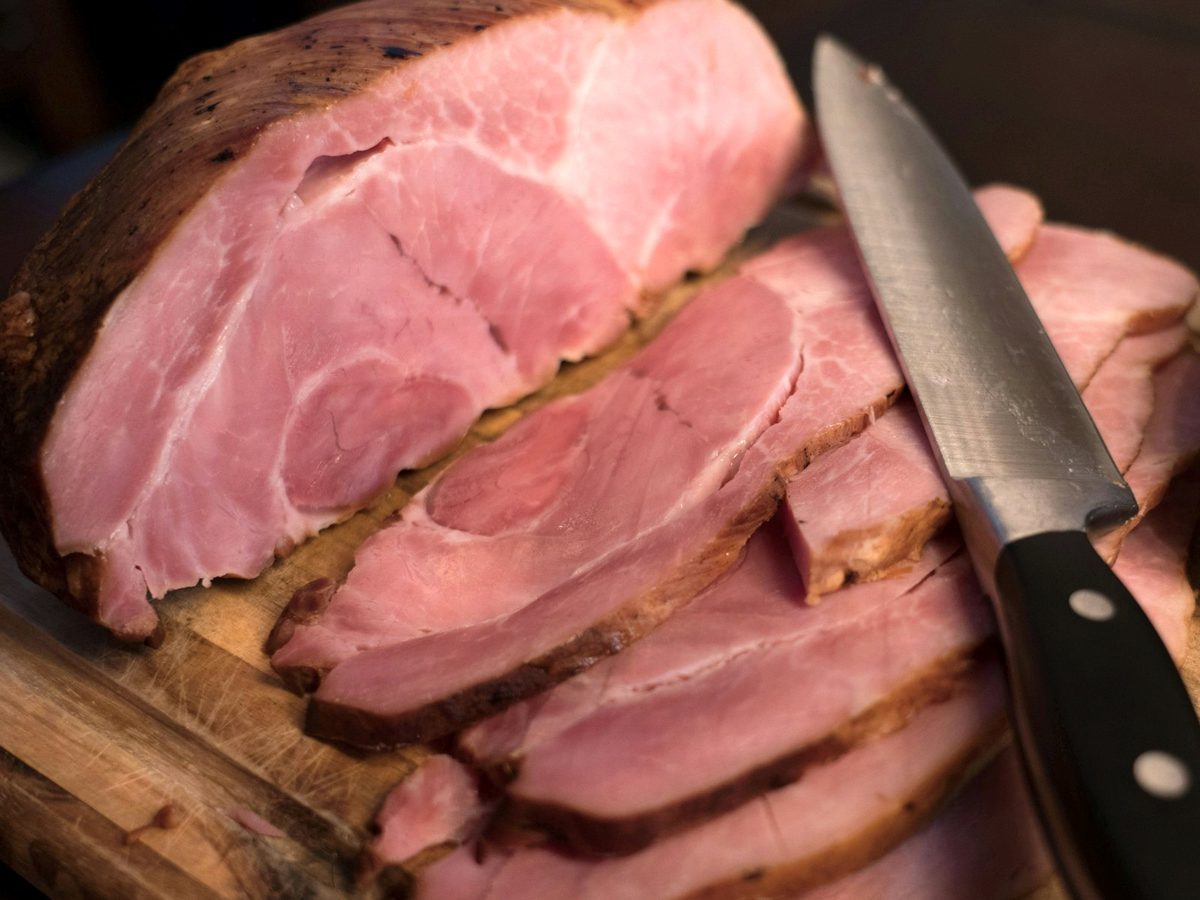
| Jambon de Paris (jambon blanc) | Unsmoked cooked ham (prosciutto cotto) Cooked, lightly salted, no smoke: the same job in a croque or a galette. Black Forest, toupie and glazed hams change the taste of the dish. |
| Jambon de Bayonne (jambon cru) | Prosciutto or Serrano Salted and air-dried, eaten raw. Baked, it crisps and gets saltier, so add it after the oven. |
| Jambon fumé cuit | Canadian Black Forest ham or a toupie ham Both are cooked and smoked, like an Alsatian jambon fumé cuit. German Black Forest is raw, a different ham. |
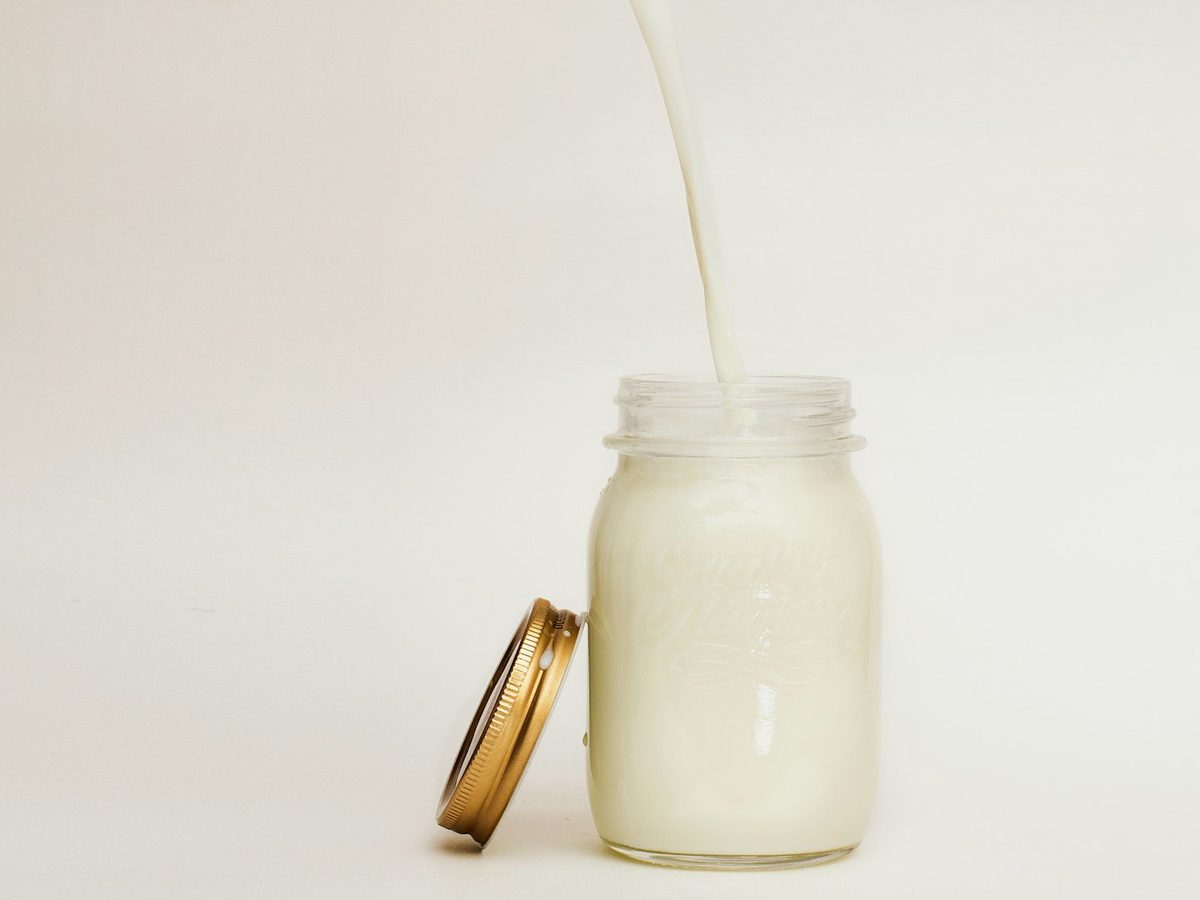
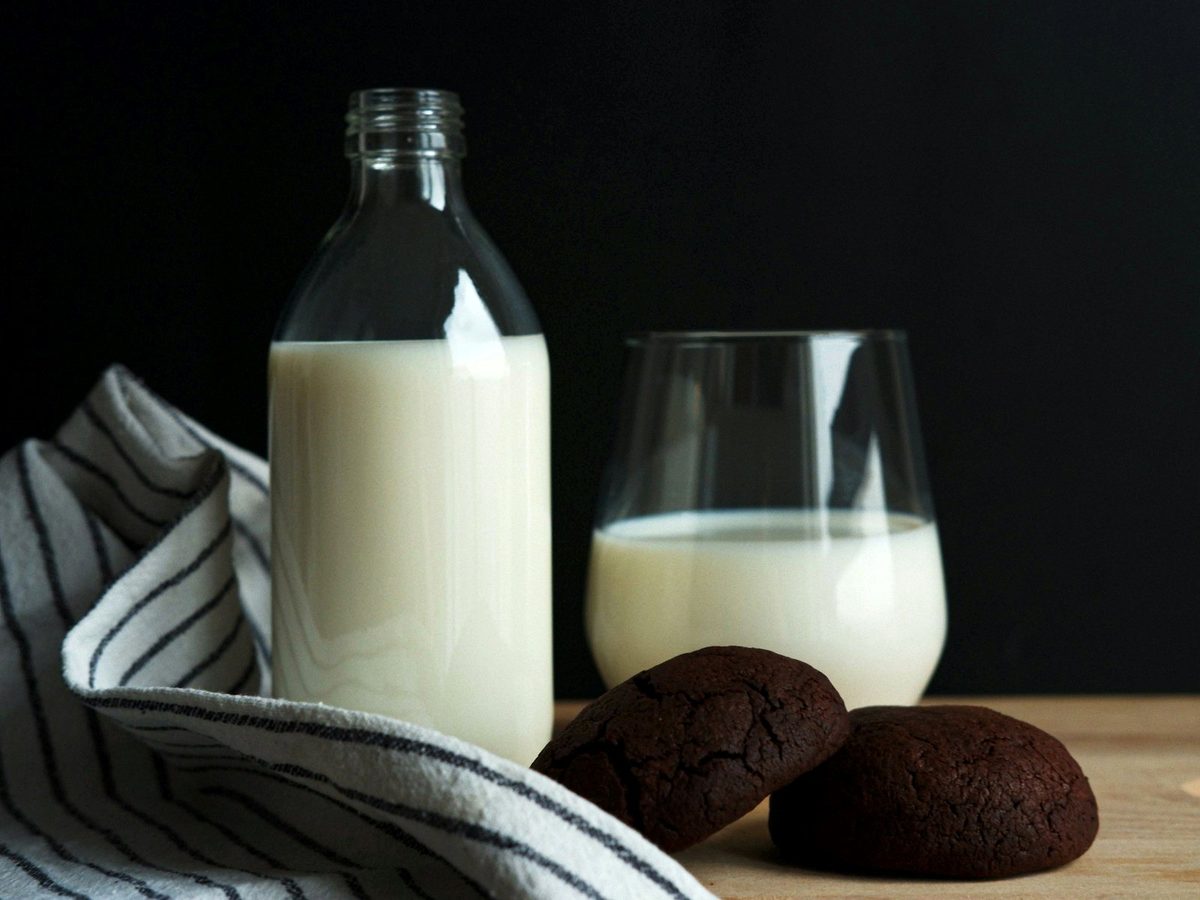
| Lait entier | 3.25% milk (homo, or lait 3,25 % in Quebec) French whole milk is at least 3.5% fat. The quarter-point gap doesn't show in crêpes, custards or béchamel. |
| Lait demi-écrémé | 2% milk French everyday milk is 1.5 to 1.8% fat, and 2% is the nearest carton. 1% works in a pinch for crêpes, not for custards. |
| Lait ribot, babeurre | Buttermilk (1% M.F.) Cultured and tangy like lait ribot, and lean. Drink it with galettes, or replace up to half the milk in a galette or crêpe batter. |
| Lait concentré non sucré | Evaporated milk Milk cooked down to about half, with no sugar. Not interchangeable with sweetened condensed milk. |
| Lait concentré sucré | Sweetened condensed milk Thick and very sweet; the recipe counts on its sugar. |
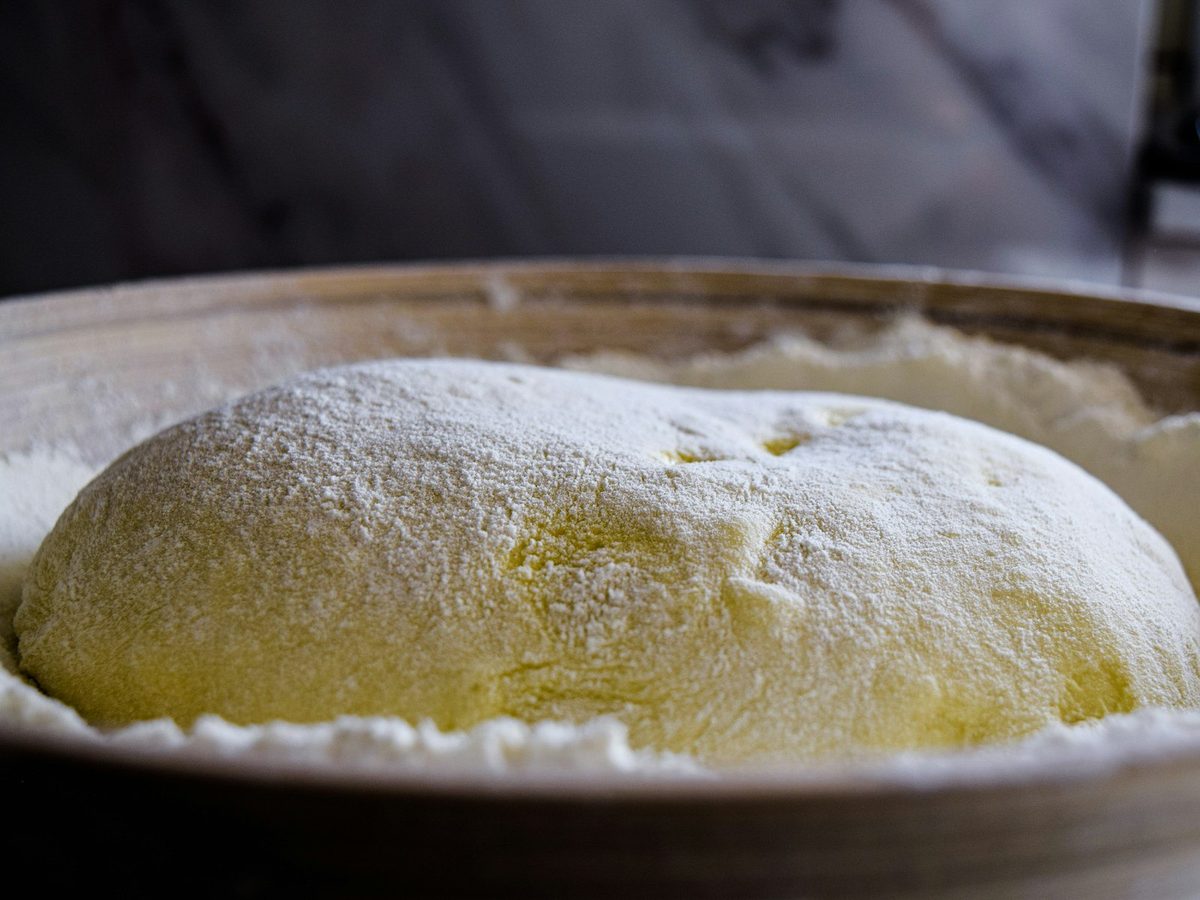
| Levure de boulanger fraîche (cube de 42 g) | Instant yeast Use a third of the weight: 14 g instant for a 42 g cube, 7 g for 20 g. Mix it straight into the flour, no dissolving. |
| Levure sèche de boulanger (sachet) | Instant yeast, or traditional active dry yeast French sachets are usually instant: use the same weight of Canadian instant. Active dry works too, dissolved in water at about 40°C (105°F) for 5–10 minutes first. |
| Levure chimique (sachet de 11 g) | 11 g baking powder (about 2½ level tsp) One sachet raises about 500 g of flour. Measure level spoons: too much makes the cake rise fast, then sink, with a coarse crumb and a soapy taste. |
| Sucre vanillé (sachet) | 1 tsp pure vanilla extract Same flavour; the sachet's 7.5 g of sugar barely counts in a cake. For sprinkling, Dr. Oetker vanilla sugar comes in 9 g sachets: one replaces one French sachet. |
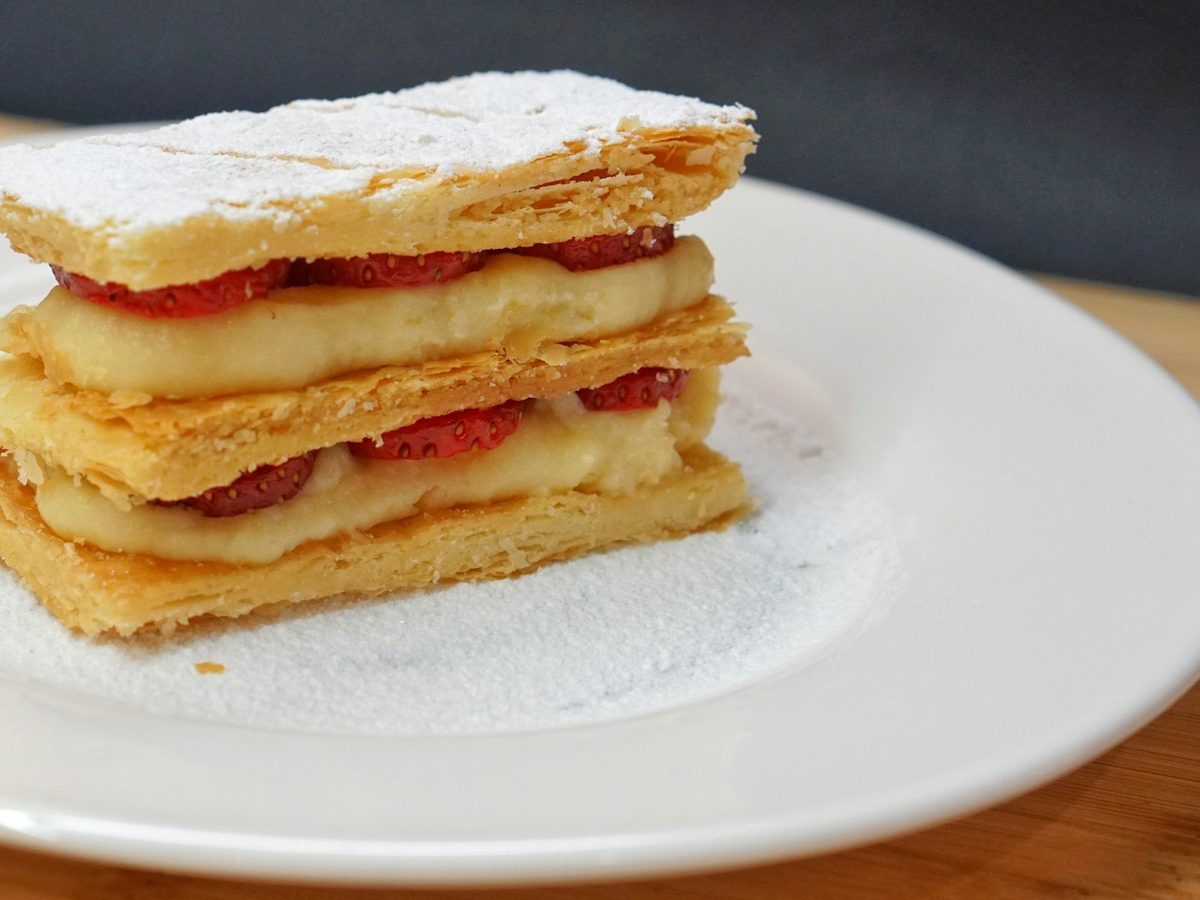
| Pâte feuilletée pur beurre | Frozen puff pastry (read the ingredients) Most Canadian puff is margarine (Tenderflake: palm and canola, no butter). It puffs well and is fine under caramel. For a galette des rois, buy a butter block or make the rough puff. |
| Pâte brisée | Homemade butter crust (10 minutes), or a frozen deep-dish shell in a pinch A French brisée is all butter, and ready-made shells here almost never are: they use lard or shortening, bake flakier and taste less of butter. Make the butter crust; keep a blind-baked frozen shell for a rushed quiche. |
| Pâte sablée | Homemade sweet crust: all-purpose flour, butter, icing sugar, 1 egg Pie shells aren't sweet or crumbly enough for a French fruit tart. The dough takes 10 minutes plus an hour in the fridge. |
| Pâté, rillettes, terrine (charcuterie counter) | Homemade rillettes or terrine Fresh, dried and cured meat from France isn't allowed. Pork shoulder, pork belly and chicken livers are in every Canadian meat case. |
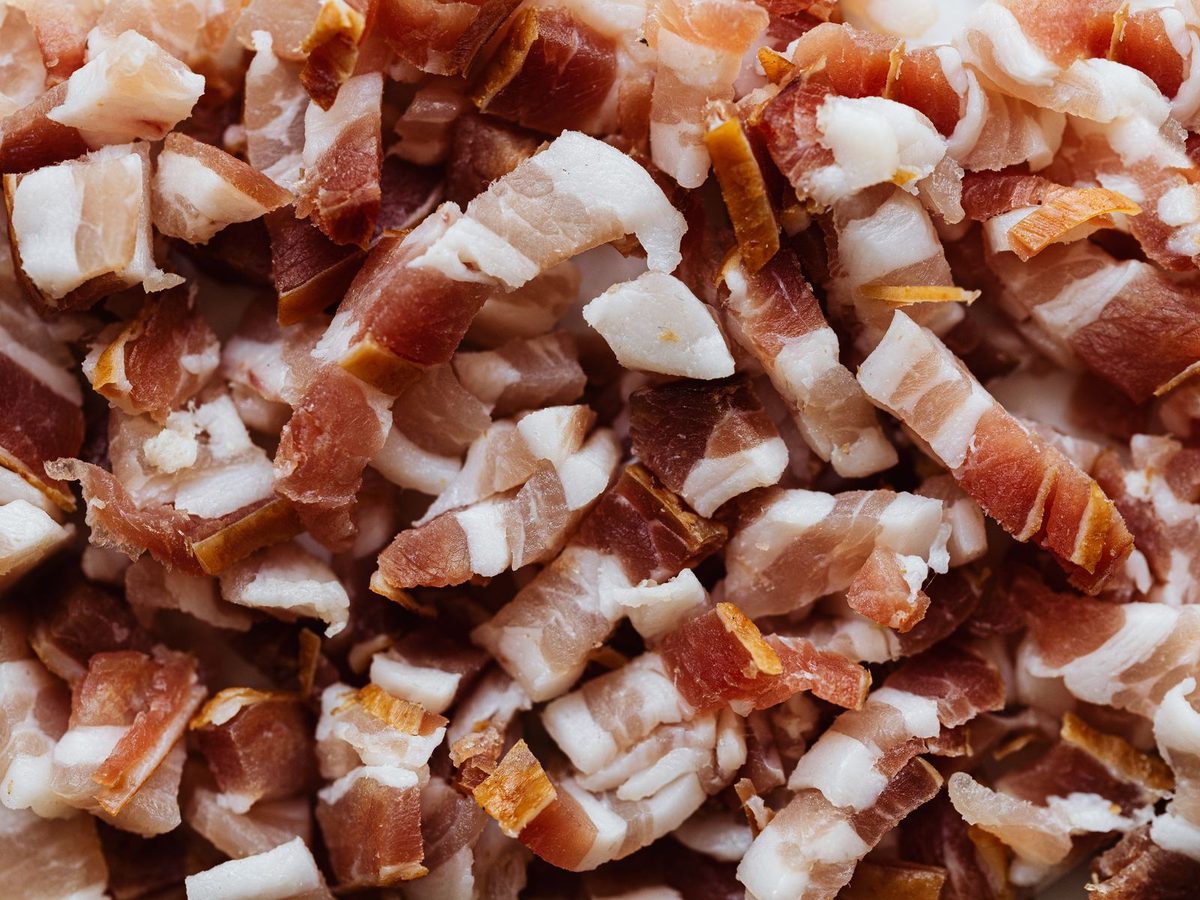
| Lardons fumés | Thick-cut smoked bacon, cut crosswise into 1 cm strips Same cut, pork belly, cured and smoked. Thick-cut stays meaty; the strips are flatter than lardons, so brown them at medium heat. |
| Poitrine fumée (en morceau) | Slab bacon, cut into 1 cm batons A whole piece lets you cut square lardons the French way, at the thickness you want. |
| Lardons nature | Pancetta, or blanched salt pork Unsmoked cured belly. Pre-diced pancetta is pre-cooked and renders less fat; salt pork needs 2 to 3 minutes' blanching. |
| Pain rassis (baguette de la veille) | Day-old supermarket baguette, brioche or challah Stale bread soaks up the custard without falling apart. Leave slices out on a rack overnight if your bread is still fresh. |
| Cassonade | Demerara or turbinado sugar Coarse golden cane sugar stays crunchy in the oven, like French cassonade. Soft brown sugar, which Quebec calls cassonade, melts and makes the topping chewy. |
| Pommes Golden ou Reinette | Cortland, Golden Delicious or Honeycrisp You want apples that soften but keep their shape. Add one McIntosh if you like a little sauce between the pieces; on its own it turns to mush. |
| Crème fraîche épaisse (pour servir) | 14% sour cream Cold and tangy, it cuts the sweetness of a hot crumble the same way, and it is in every dairy case. If you see Liberté 40% crème fraîche, that is the French product, if you want it. |
| Emmental ou comté râpé | Oka, grated cold, or leave it out The cheese is optional. Oka melts as smoothly as Emmental but tastes earthier, which stands up to the mustard; use 50 g. |
| Pommes Golden ou Reine des Reinettes | Golden Delicious apples, with a squeeze of lemon Golden Delicious is the same variety French bakers use, and its wedges go tender in the custard without collapsing. Reine des Reinettes, the sharper French favourite, isn't sold in Canadian supermarkets; a little lemon juice on the wedges brings back some of its tang. Avoid McIntosh here: it turns to sauce. |
| Crème fraîche ou crème liquide entière | 35% whipping cream French cooks make the custard with crème entière (about 30% fat) or crème fraîche. 35% whipping cream sets just as smooth and doesn't split in the oven; 10% or 15% cream gives a looser, watery custard. If you see crème fraîche, replace up to half the cream with it for a slight tang. |
| Pâte brisée sucrée | Homemade sweet butter shortcrust (recipe below) A French pâte brisée is made with butter. Tenderflake frozen pie shells, the brand in most freezers, are made with lard or with vegetable shortening depending on the box, and they're deep pie shells, not a flat tart case. The butter pastry below takes 10 minutes plus 30 minutes in the fridge. |
| Crème fraîche ou crème liquide | 35% whipping cream 35% stirs into hot soup without splitting and gives the richness of crème liquide. Cooking cream (crème à cuisson, 15%) is made to take heat and works too. For the slight tang of crème fraîche, add a spoon of 14% sour cream to each bowl at the table, not to the pot: at 14% fat it can curdle in hot soup. |
| Gruyère râpé | Swiss Gruyère or Emmental, grated from a wedge; Oka if that's what you have The cheese goes on at the table and only needs to melt into the hot soup. Swiss Gruyère is nutty and melts smoothly; Emmental is milder and melts the same way. In France, bags labelled gruyère râpé are usually Emmental, so Président Emmental (220 g, Walmart) is the closest everyday match. Oka melts as smoothly, with an earthier, less nutty taste; grate it straight from the fridge so it doesn't clump. Skip pre-grated bags: the coating that stops them clumping also keeps them from melting smoothly. |
| Pommes de terre à chair fondante | Yukon Gold potatoes French potatoes are sold by use. Yukon Gold sits between waxy and floury, which is what a gratin needs: slices that hold and enough starch to thicken the cream. Russets work in a pinch, but the edges break up. |
| Poulet fermier Label Rouge | Air-chilled whole chicken, 1.6–1.8 kg French farm chickens are slow-growing and raised outdoors, so the meat is firmer and tastier. An air-chilled bird isn't the same breed, but it hasn't soaked up chilling water, so the skin crisps and the meat tastes more of chicken. A water-chilled bird still works: dry it well and salt it the night before. |
| Fond de volaille | No-salt-added chicken broth Only if you want a richer jus than water gives. No salt added keeps the jus from turning salty as it reduces. |
| Œufs moyens (4 à 5) | Canada Grade A large eggs, about 250 g beaten A Canadian large egg weighs about 50 g out of the shell, so 250 g is usually 5 eggs, sometimes a little less. Weighing matters more than the count: 20 g too much egg is enough to make the puffs spread. |
| Sucre perlé (for chouquettes) | Crushed sugar cubes Pearl sugar keeps its crunch in the oven because the grains are big and hard. Crush sugar cubes in a freezer bag with a rolling pin until the pieces are about the size of a lentil, and sift out the powder, which would just melt. |
| Pommes de terre farineuses | Russet or Yukon Gold potatoes Russets are the floury ones and give the lightest mash. Yukon Golds are creamier and a little more forgiving. Avoid red or waxy potatoes: they turn gluey when beaten. |
| Échine de porc, paleron, épaule d'agneau | Pork shoulder (butt), beef blade or chuck, boneless lamb shoulder All three are braising cuts with fat and connective tissue, so they stay moist through three hours. Lean cuts like pork loin or beef round turn dry and stringy. Lamb shoulder chops work too: cut the meat off the bone and use the bones in the dish. |
| Riesling ou sylvaner d'Alsace | Dry Canadian Riesling The wine is both marinade and cooking liquid, so its sweetness ends up in every bite. Pick one labelled dry: an off-dry Riesling makes the dish cloying. |
| Terrine de Soufflenheim | Enamelled cast-iron Dutch oven, 5.5 to 6 L Thick walls and a tight lid matter more than the material. Use enamel, not bare cast iron: the wine reacts with bare iron during a long bake and turns the sauce metallic. |
| Tendron, épaule ou flanchet de veau | Boneless veal shoulder or milk-fed stewing veal Shoulder has enough connective tissue to stay moist after 90 minutes of simmering; leaner leg cubes go dry. No veal at all? Use the same weight of boneless, skinless chicken thighs, halved, and simmer them 40 minutes instead of 90. It tastes lighter, but the sauce and method don't change. |
| Crème fraîche | 35% whipping cream, plus lemon juice Crème fraîche gives blanquette its slight tang. 35% cream has about the same richness, doesn't split when it simmers, and the lemon in the liaison brings back the acidity. Don't use 10% or 15% cream: the sauce turns thin. |
| Morue salée | Boneless salt cod, 454 g box It's the same Atlantic cod, salted the same way, so nothing changes in the recipe. Boneless pieces save the picking; if you only find bone-in, buy about 550 g and give it the longer soak. |
| Haricots lingots ou tarbais | Dried white navy beans, or white kidney beans (cannellini) if you find them Compliments navy beans are the easy find: check them after 45 minutes of simmering and take 30 minutes off the bake. Cannellini are creamier and hold their shape better if your store has them. |
| Confit de canard | Ready-made confit duck legs They're already salted and slow-cooked in their fat, so they only need browning. Scrape off the fat to brown the other meats, and keep the rest for roast potatoes. |
| Choucroute crue d'Alsace | Raw (unpasteurized) sauerkraut from the refrigerated case Raw sauerkraut is crisp and mildly sour, and softens slowly in the wine. Canned or shelf-stable sauerkraut is pasteurized: soft and sharp before it even starts. You need about 1.5 kg drained, which means several jars; a European deli selling it by weight is easier for this much. |
| Kassler (palette ou carré fumé) | Smoked picnic shoulder, or smoked pork chops Carré fumé is smoked pork loin, which is what smoked pork chops are. Palette fumée is the shoulder: a smoked picnic shoulder is the same cut, and it goes in at the start to get the full two hours. If you find neither, a toupie-style smoked ham is cured, smoked pork that holds up in the braise. |
| Petit salé (poitrine de porc salée) | Salt pork with meat, or slab bacon Canadian salt pork is saltier than French petit salé, so blanch it 10 minutes. Pick a piece labelled "with meat", not plain salted fat. Slab bacon is smoked, which changes the taste a little, and needs no blanching. |
| Saucisses de Strasbourg et de Montbéliard | Natural-casing European wieners and smoked kolbassa Strasbourg sausages are thin, lightly smoked and snap when you bite them; European wieners in sheep casing are the closest. Kolbassa, the Canadian label for smoked Polish sausage, is coarse and smoky like Montbéliard, with more garlic. Skip skinless hot dogs: they turn soft in the steam. |
| Graisse d'oie | Lard (saindoux) Goose fat is hard to find here, and plain lard gives the sauerkraut the same rich, round taste. Duck fat works too if you have some. Butter burns over two hours and oil tastes thin. |
| Jambon blanc | Plain cooked ham (unsmoked), sliced about 3 mm A slice that thick wraps a whole endive without tearing; shaved ham splits as you roll it. Jambon blanc is cooked and unsmoked, so skip Black Forest, honey and toupie hams: smoke and sugar fight with the endive's bitterness. |
| Gruyère ou emmental râpé | Oka (Original or Aged), rind trimmed Oka melts smoothly into the béchamel and browns on top, the two jobs Gruyère does here, and its punch suits the bitter endive. Trim the rind and grate it cold. Skip pre-shredded mozzarella blends: they go rubbery and barely brown. |
| Pruneaux d'Agen | California pitted prunes Agen prunes are softer and moister. The pitted prunes sold here are mostly from California and firmer, so soak them the full 30 minutes, and up to an hour if they're very dry and hard. |
| Beaufort, comté et emmental de Savoie | Swiss Gruyère and Emmental, half and half Gruyère brings the nutty taste, Emmental the stretch. To bring the cost down, replace up to half with Oka, rind trimmed: like the Swiss moitié-moitié, it should make a creamier, stronger pot. Skip pre-sliced 'Swiss cheese' and cheddar, which melt greasy. |
| Vin blanc de Savoie (Apremont) | Dry Riesling or Muscadet Savoie whites are light, very dry and sharp, and that acidity keeps the cheese from splitting. A dry Riesling or a Muscadet has the same bite. Avoid oaky Chardonnay and anything off-dry: the fondue turns heavy and sweet. |
| Farine de blé noir (sarrasin) | Buckwheat flour, the lightest you can find Breton galettes are 100% buckwheat. Lighter, finer flour gives lacier galettes; dark whole-grain flour makes a heavier, earthier galette and drinks more water, so add a splash more. |
| Comté ou gruyère | Swiss Gruyère wedge (Emmi, 150 g) or Oka Aged A firm, nutty cheese stays dry in the oven and has enough flavour to season 30 puffs from 125 g. Oka Aged is the cheaper option: it's moister, so the puffs are a little softer inside and paler; trim the rind and grate it cold. Cheddar works but gives a sharper, cheese-scone taste; if you use it, choose an old, dry one. |
| Moule à kougelhopf en terre de Soufflenheim | 10-cup (2.4 L) metal Bundt pan, or a 22 cm kugelhopf mould Clay heats slowly and evenly; metal browns faster, so cover the top loosely with foil after about 25 minutes. A 10-cup pan is the right volume for 500 g of flour. A 12-cup pan works but gives a lower cake, and anything under 10 cups will overflow. |
| Paleron, gîte, plat de côtes | Blade roast, cross-cut beef shank (osso buco), braising short ribs Blade is marbled with a seam of gelatin, so it stays moist and still slices. Shank gives the broth body, and short ribs bring the fat. Ask for thick, bone-in short ribs cut between the bones, not thin flanken strips cut across them, which fall apart in three hours. |
| Navets | Small white turnips with a purple top Rutabaga, the yellow "turnip", is sweeter and denser and can take over the broth. If it's all you find, use half the weight of the turnips, about 200 g, peeled and cut in chunks. |
| Os à moelle | Beef marrow soup bones Pick pieces cut across the bone, about 5 cm long, with marrow showing at both ends. Wrap the ends in cheesecloth or dip them in coarse salt so the marrow stays in. |
| Jambon de Bayonne, jambon de Savoie | Prosciutto, sliced thin at the deli counter French air-dried hams are rare here; prosciutto has the same salty, silky texture. Viande des Grisons, the Swiss air-dried beef, has no everyday match: leave it out and add a dry salami instead. |
| Pommes de terre à chair ferme | Small yellow or red potatoes (grelots in Quebec) Waxy potatoes hold their shape when you split them under the cheese. Russets are floury and fall apart. |
| Échine et poitrine de porc | Boneless pork shoulder (butt) and pork belly Échine is the shoulder butt. With the belly you get about two parts lean to one part fat, which is what makes soft threads. Lean cuts such as loin turn dry and woolly. |
| Saindoux | Pure lard, the white 454 g block Watch the false friend: in French, lard means bacon or fatback. What you want is rendered pork fat, which Canadian labels call pure lard. It's neutral and sets firm, so it seals the jars. Don't use shortening: it tastes of nothing and sets waxy. |
| Quatre-épices | Ground allspice, or a quick homemade mix For ¼ tsp, ground allspice is fine: rounder and a little sweeter than the French blend. To mix your own, combine 1 tsp ground white pepper, ½ tsp nutmeg, ½ tsp ground ginger and ¼ tsp ground cloves, and keep the rest in a jar for a terrine. |
| Lentilles vertes du Puy | Small "French green" lentils Small green lentils stay whole. Large green lentils, the most common bag in Canada, collapse into a purée in the same time. If you can't find small green ones, black beluga lentils also hold their shape. |
| Quetsches d'Alsace | Italian prune plums Italian prune plums are the same kind of plum as quetsches: small, oval and firm, with a stone that pulls away cleanly. Round plums are too juicy and make the crust soggy. |
| Foie de porc | Chicken livers, or pork liver where you find it Pork liver gives the stronger, traditional taste; chicken livers make a milder, softer terrine. Use the same 250 g either way, and trim off any green patches: they're bitter. |
| Barde de lard | Thin-sliced bacon, plain smoke (not maple) Sheets of back fat aren't sold in Canadian supermarkets. Regular thin bacon keeps the outside moist and adds a light smoke; avoid maple-cured, which sweetens the crust, and thick-cut, which is too heavy to fold. |
| Chair à saucisse ou échine hachée | Regular ground pork, plus the belly chopped yourself Many French home cooks start from chair à saucisse, ready-ground pork. Here, 600 g of regular (not lean) ground pork can replace the shoulder; then grind or pulse only the belly. The terrine comes out a little finer and smoother. Keep the 16 g of salt: unlike chair à saucisse, Canadian ground pork is unseasoned. |
| Paleron ou macreuse | Boneless blade roast or chuck Both come from the shoulder, with enough fat and connective tissue to stay moist over three hours. Cut it into 5 cm cubes and trim only the thick outside fat: the seams of gelatin inside are what make the sauce glossy. |
| Fond de veau ou bouillon de bœuf | Less-sodium beef broth, in a carton French cooks often add a spoon of fond de veau; carton broth does the same job here. Pick a less-sodium one: the sauce reduces for three hours, and regular beef broth (about 890 mg sodium per cup) ends up too salty. |
| Petits oignons grelots | Frozen pearl onions Fresh pearl onions take ages to peel. Frozen ones are already peeled and brown nicely straight from the bag. |
| Cerises noires, avec les noyaux | Fresh BC sweet cherries, pits in, or frozen pitted dark sweet cherries A French clafoutis uses dark sweet cherries, stems off and pits in. Fresh BC sweet cherries are the closest in summer and go in the same way, whole. Frozen bags are sold pitted, which loses the faint almond taste the pits give, so add the almond extract below. |
| Kirsch | ¼ tsp pure almond extract With pitted or frozen cherries, almond extract brings back the faint almond taste the pits give, and it's in every baking aisle. With the pits in, skip it. Kirsch, the cherry brandy some French recipes add, is usually sold in 700 mL bottles, which is a lot for one tablespoon. If you have some, use 1 tbsp instead of the extract, not both: the almond would take over. |
| Gousse de vanille | Pure vanilla extract (or a vanilla bean) A vanilla bean gives the black specks and the deepest flavour, but 2 tsp of pure extract works well in a custard this simple. Avoid imitation vanilla, which tastes flat here. |
| Farine T45 ou T55 | All-purpose flour (Robin Hood or Five Roses) French crêpe flour is about 9.5–11% protein; Canadian all-purpose is about 13%, which makes a slightly chewier crêpe. The hour's rest relaxes it. For a slightly softer crêpe (optional), replace 50 g of the flour with cake & pastry flour. |
| Pain de mie | Plain white sandwich loaf, regular slices Pain de mie is a soft, tight-crumbed loaf with a thin crust, and a plain white sandwich loaf does the same job. Skip thin-sliced bread, which goes soggy under the béchamel, and sweet loaves, which brown too fast under the broiler. |
| Gruyère ou emmental | Emmental, grated from the wedge (or Gruyère) Emmental is what French cafés and supermarkets use for a croque: mild, stretchy and good at browning. Gruyère is nuttier. Grate it yourself, since bagged shreds are coated and melt less smoothly. Oka makes a stronger croque. Mild cheddar is the swap that fails: it turns greasy and slides off the top. |
| Yaourt nature (pot de 125 g) | Plain yogurt, 2–3.25% M.F. (not Greek) A French yaourt nature is set in its pot and loose once stirred. Any plain Canadian yogurt at 2–3.25% M.F., stirred or set, behaves the same in this cake. Greek yogurt is much thicker and makes a heavy crumb; if it's all you have, thin 100 g of it with 25 mL milk. |
| Huile de tournesol ou de colza | Canola oil Colza is rapeseed, and canola is a rapeseed bred in Canada, so it's the natural swap. Any neutral oil, sunflower included, works the same. |
| Sachet de levure chimique (11 g) | 2 level tsp baking powder French recipes use one 11 g sachet for a cake this size. Two level teaspoons of Canadian baking powder is enough for 200 g of flour. Level them off: a heaped spoon makes the loaf dome and crack hard, and too much leaves a bitter, soapy edge. |
| Pommes de terre à purée (Bintje) | Yukon Gold potatoes French purée potatoes such as Bintje are floury and buttery-tasting. Yukon Golds are a little waxier: they mash smooth without going gluey but absorb less milk. For a fluffier mash closer to Bintje, use half russets; on their own, russets taste blander. |
| Bœuf haché 15 % | Lean ground beef French recipes use ground beef at 15% fat. On a Canadian label, lean ground beef has at most 17% fat, the closest match. Extra lean (at most 10%) makes a dry, crumbly filling, and medium leaves a layer of fat under the mash. |
| Moules de bouchot | Live PEI mussels, 2 lb (907 g) bag French bouchot mussels are small and sweet. PEI mussels are close in size and flavour, and they're rope-grown, so they're cleaner than wild mussels and need little more than a rinse. |
| Bouillon de volaille (cube) | No-salt-added chicken broth, 900 mL carton French cooks often use a cube and water. A no-salt-added carton has about 60 mg of sodium per 250 mL, so you salt the soup yourself, which matters most if you serve it cold. A '30% less sodium' carton still has about 630 mg per 250 mL: if that's what you have, salt only at the end. |
| Aubergines | Globe eggplant, salted; or 2–3 Italian eggplants The globe eggplant in every produce section is usually bigger and seedier than the ones on a Provence market stall, and it soaks up oil. Salt the cubes for 20 minutes and pat them dry, and they brown instead of steaming. Smaller Italian eggplants have fewer seeds, so salting is optional. Long Asian eggplants go very soft in a 40-minute simmer: if that's all you have, add them for the last 15 minutes only. |
| Tomates mûres de saison | Field tomatoes in August and September; a 796 mL can of whole tomatoes the rest of the year Late-summer field tomatoes are as good as any in Provence. From October to June, canned whole tomatoes beat pale winter tomatoes, which make a watery stew. Many cans contain calcium chloride, which keeps the tomatoes firm: crush them well by hand and give the sauce the full 15 minutes. |
| Herbes de Provence | Fresh thyme and a bay leaf Jars of herbes de Provence are sold here, but many North American blends include lavender, which tastes soapy after a long simmer and isn't in a Niçois ratatouille. Fresh thyme and bay give the clean taste. If you use a jar, use 1 teaspoon and read the label first. |
| Olives de Nice | Kalamata olives, pitted, or Niçoise if you see them Niçoise olives are tiny, dark and mild. Kalamata are bigger, fruitier and saltier, so use about half the weight and halve them. Avoid canned pitted black olives: they taste of brine, not olive. |
| Petits artichauts violets | Marinated artichoke hearts from a jar, drained, or leave them out In Nice, small purple artichokes are sliced thin and eaten raw. The big globe artichokes sold here are too tough to eat raw. Jarred hearts are cooked and a little tangy, so pat them dry and use only a few, quartered: they add the artichoke taste without making the salad sharp. |
| Gruyère ou comté | Swiss Gruyère, grated from a wedge Paris cafés use Gruyère, and it's the Alpine cheese sold across Canada; Comté tastes close but is rarer and dearer here. It melts into a stretchy crust that browns in spots and tastes nutty against the sweet onions. Grate it from the block: pre-shredded bags have anti-caking starch that stops a smooth melt. Oka is a poor fit here: its washed-rind taste fights the onions and it melts runny instead of forming a crust. |
| Bouillon de bœuf | One carton reduced-sodium beef broth plus one carton no-salt-added chicken broth Carton beef broth reduces into a salty, one-note soup. Half beef and half no-salt-added chicken gives a rounder, lighter broth, and you salt only after the 20-minute simmer, once you've tasted it. Two 900 mL cartons give 1.8 L: use 1.5 L and keep the rest to thin the soup if it reduces too far. |
| Entrecôte ou faux-filet | AAA rib-eye, 3 cm thick (or striploin) Entrecôte is the rib-eye and faux-filet the striploin (sometimes sold as New York strip). Rib-eye has more fat running through it, which keeps it juicy and forgiving; striploin is leaner and firmer, and cooks the same way. |
| Cognac | Any VS brandy from the liquor store Cognac is a brandy from one region, so it works too, but a cheaper brandy does the same job in a sauce: the alcohol cooks off and leaves a sweet, warm note. Don't use flavoured brandy, and skip whisky, which turns the sauce smoky. |
| Pâte brisée pur beurre | Homemade butter shortcrust (recipe below) French supermarkets sell rolled all-butter pâte brisée in the fridge case. Here, the frozen pie shells are lard or shortening (Tenderflake sells both, so the box decides) and come pre-formed, no use as a tatin lid. The butter pastry in this recipe takes 10 minutes plus 30 minutes in the fridge, and the caramel and apples cook while it chills. |
| Truite (arc-en-ciel ou fario) | Whole farmed rainbow trout Most trout at a French fish counter is farmed rainbow trout too, so this is the same fish; wild brown trout (fario) is the rare one. Arctic char, also farmed in Canada, is a richer alternative, sold as fillets. |
| Sole (pour une sole meunière) | Frozen sole fillets Fillets sold as sole in Canada are usually another small flatfish such as flounder, not the thick Dover sole of a French sole meunière. They come as thin fillets, so flour them the same way but fry only 1–2 minutes a side, and make the brown butter first so it's ready. |
| Huile de colza ou de tournesol | Canola oil French vinaigrette usually uses a neutral oil, often colza. Canola was bred in Canada from rapeseed, the same plant, and tastes just as neutral. Olive oil alone tastes heavy and can turn bitter in a blender; half and half, whisked by hand, is fine. |
| Vinaigre de vin | Red wine vinegar Wine vinegar is sharp and clean. Avoid white distilled vinegar, which is harsh, and balsamic, which turns it sweet and brown. White wine vinegar works the same if that's what you have. |
| Sucre en poudre | Granulated sugar In France, sucre en poudre means ordinary granulated sugar, not powdered sugar. Some cannelé recipes call for sucre glace (icing sugar), but Canadian icing sugar has cornstarch added, so stick with granulated. |
| Moules à cannelés en cuivre | 12-cup non-stick carbon steel cannelé tray Copper gives the darkest shell, but a full set is a big import order. A non-stick carbon steel tray gets close to that crust for far less; it just means two batches and a slightly cooler first bake. |