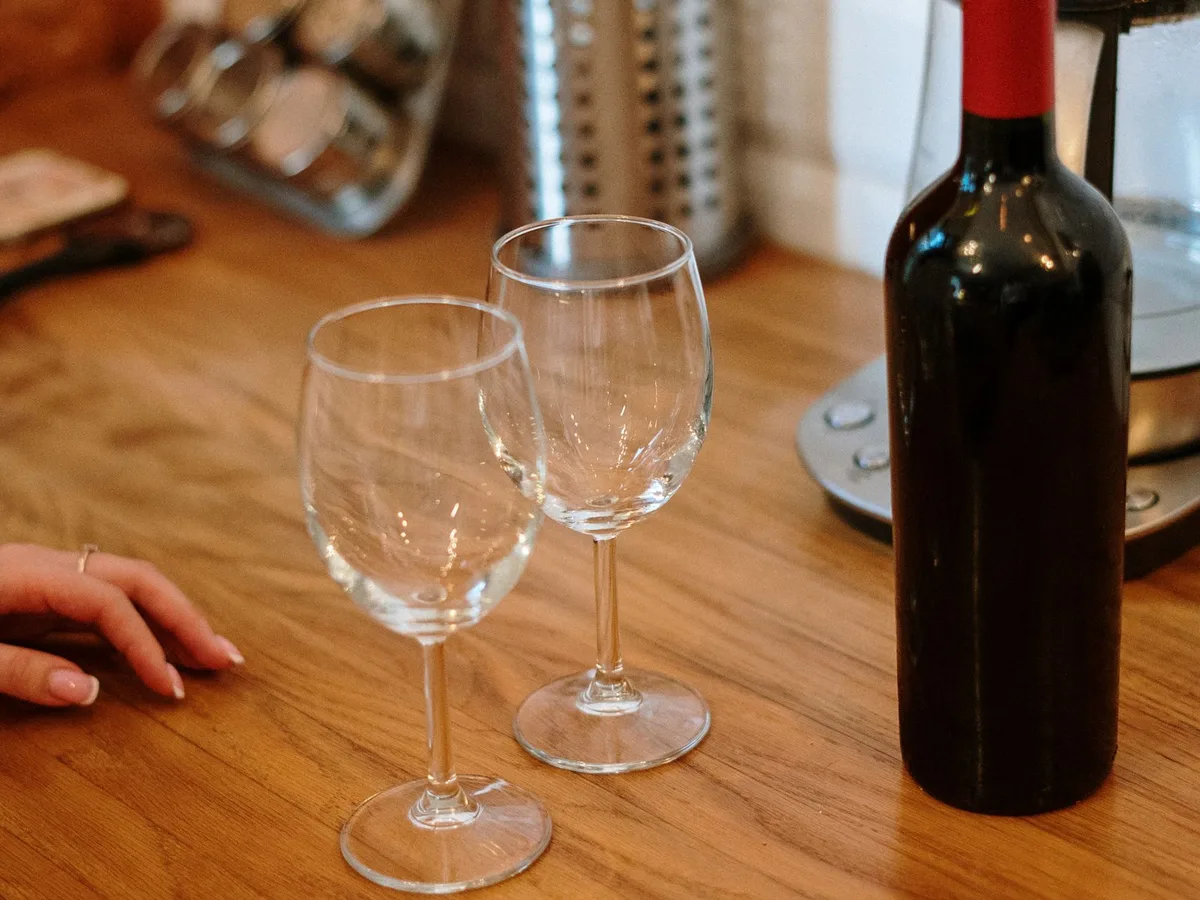
When a French recipe says vin rouge or vin blanc sec, buy an ordinary bottle you'd happily drink, not the bottle labelled cooking wine. For coq au vin and bœuf bourguignon, that means a light red, ideally Pinot Noir or a Gamay; for cream sauces, mussels and fondue, a dry, unoaked white. For choucroute, a dry Riesling, Alsatian if your store has one.
Why not the cooking wine at the supermarket?
The bottles labelled cooking wine, usually shelved near the vinegar, are salted and often contain preservatives. The salt concentrates as the sauce reduces, so you lose control of the seasoning. A French recipe never means that product.
Where do you buy wine in Canada?
It depends on the province, and any of these will do for cooking:
- Quebec: the SAQ, plus grocery stores and dépanneurs, which carry a smaller range.
- Ontario: the LCBO, plus licensed grocery stores (some since 2016) and, since 2024, convenience stores and more grocers.
- British Columbia: BC Liquor Stores and private liquor stores.
- Alberta: private liquor stores.
- Elsewhere: liquor stores, public or private depending on the province.
The wine doesn't need to be French. It needs to be dry and drinkable.
How much wine does a French recipe take?
Coq au vin and bœuf bourguignon take a whole 750 mL bottle. Moules marinières take 250 mL for four, a fondue savoyarde 300 to 400 mL for four, and a pan sauce about 125 mL.
Open wine keeps a few days in the fridge for cooking. Freeze what's left in an ice-cube tray, and drop a cube or two into the next pan sauce.
Which red for coq au vin and bœuf bourguignon?
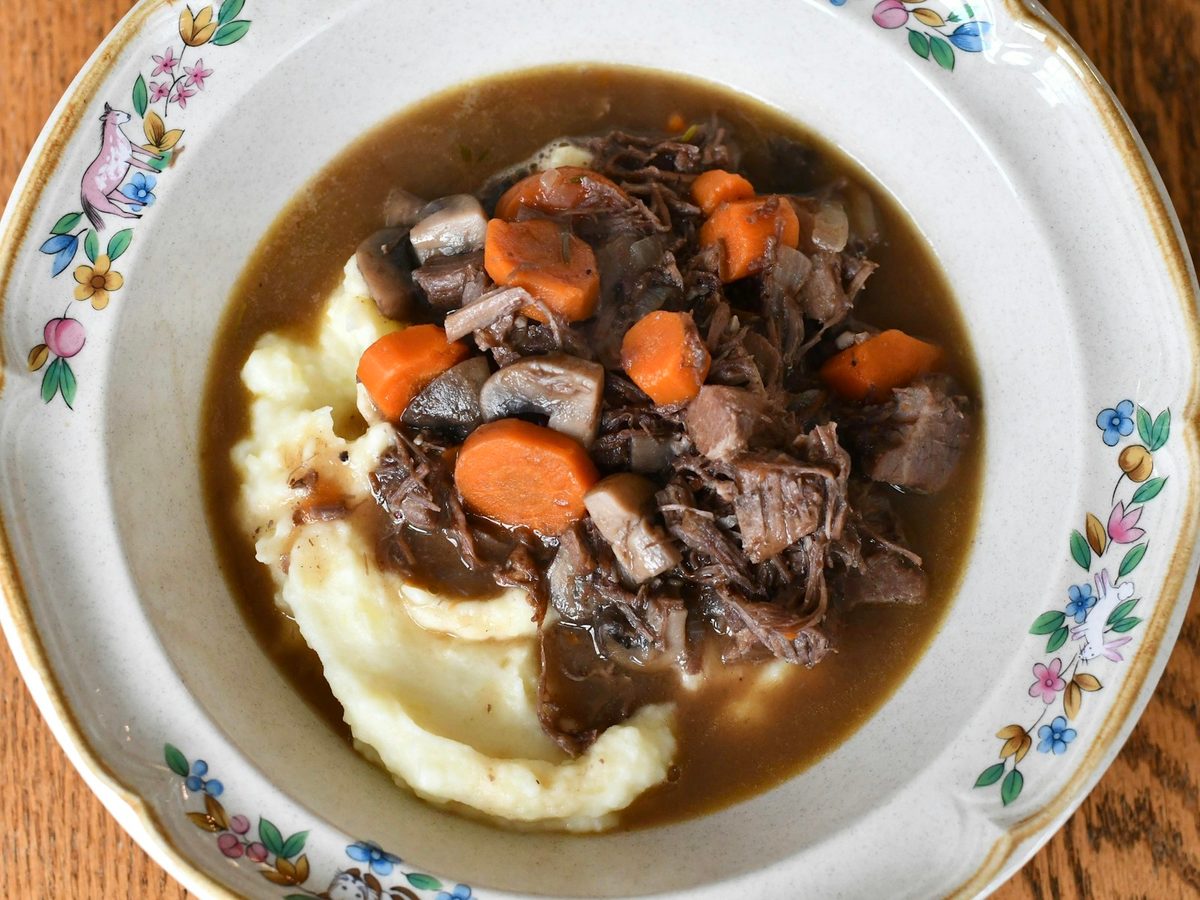
Both are Burgundy dishes, and the red grape of Burgundy is Pinot Noir. A Pinot Noir from Niagara, Prince Edward County or the Okanagan is the closest match, and a basic red Burgundy is the classic one.
Canadian Pinot Noir isn't cheap, though, and a two-hour braise doesn't need a good one. If it's over your budget for a pot, a Gamay or a Beaujolais does the job, and every provincial liquor store or licensed grocer carries a few. As examples, Cave Spring Gamay (Ontario VQA) and Georges Duboeuf Beaujolais-Villages are listed at the LCBO, and Miss Gamay Beaujolais-Villages at the SAQ.
For my own bourguignon, I buy a Pinot Noir, the red most cooks recommend for the dish, and I keep it modest.
Kim Crawford Pinot Noir, from New Zealand, has been listed at the LCBO, the SAQ and BC Liquor, so it's a name you may see in more than one province. When the Pinot Noirs are all priced like a gift, I take the Gamay and don't think twice.
Skip big, oaky, tannic reds. Oak and tannin get harsher as the sauce reduces for two hours. I'd rather spend the extra money on the bottle that goes on the table.
Which white for sauces, mussels and fondue?
Dry and crisp: Muscadet, Sauvignon Blanc, Pinot Grigio, unoaked Chardonnay or a dry Riesling. Avoid anything labelled off-dry or sweet: the sugar shows up in the sauce.
Muscadet is the French choice for mussels. Any liquor store with a French section usually has one; Le Bourgeais Muscadet Sèvre et Maine sur lie is listed at the LCBO, and Domaine Luneau-Papin Le Verger at the SAQ.
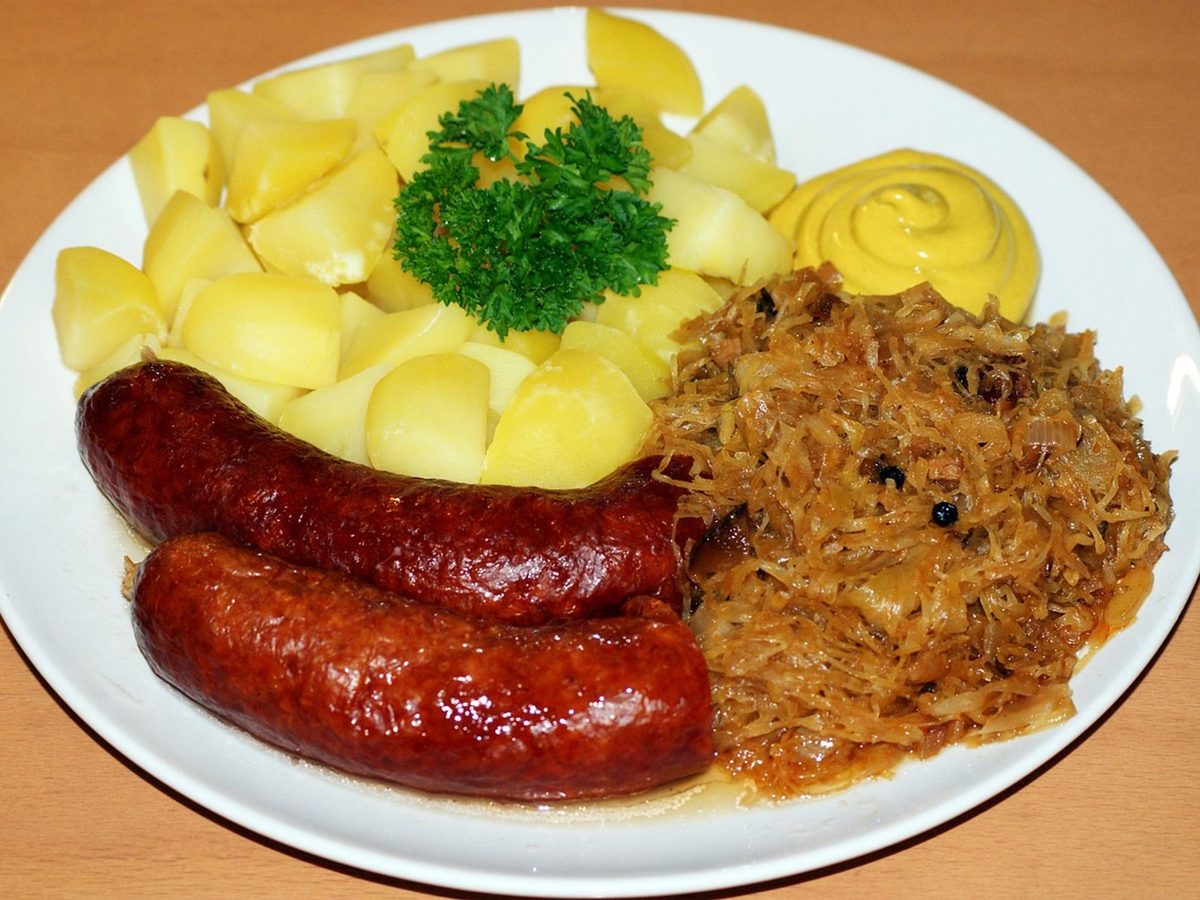
For Alsatian dishes like choucroute and baeckeoffe, ask your liquor store for a dry Riesling from Alsace, or a dry one from Niagara or BC. Joseph Cattin Riesling, from Alsace, is one example at the LCBO, and Cave Spring Riesling Dry, from Niagara, one at the SAQ.
For my choucroute, I buy an Alsatian Riesling: Pfaff, which I find easily here. The Cuvée Jupiter is a dry Alsace Riesling, the style that cuts through sauerkraut, pork and sausages, and it's listed at the LCBO; the SAQ and BC Liquor have also carried it, though stock comes and goes.
Being Alsatian, I like the same wine in the pot and in the glass. If your store has no Pfaff, any dry Alsatian Riesling does the same job, and a dry Canadian one comes a close second.
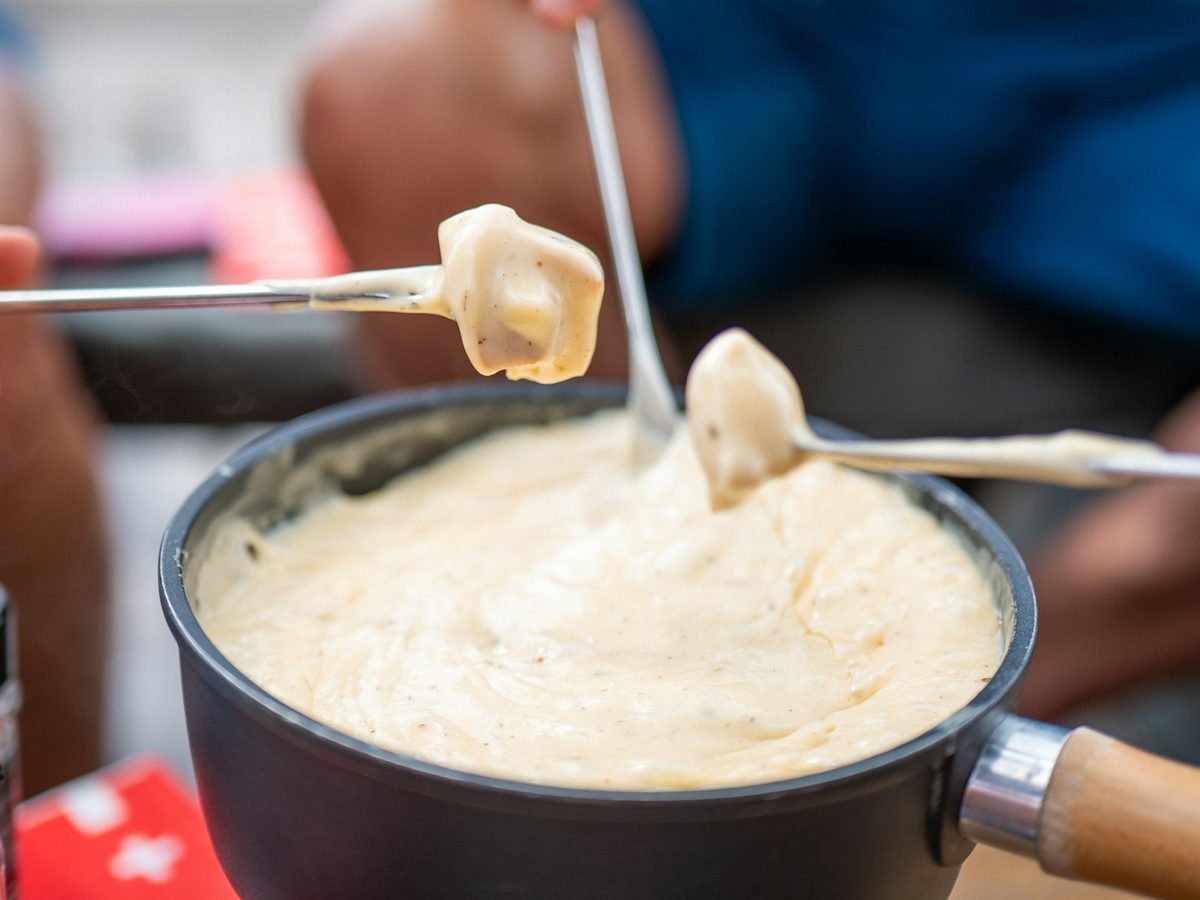
In Savoie, fondue is made with a local dry white such as Apremont, from the Jacquère grape; here, any crisp, unoaked white works.
What does “International blend” on the label mean?
Cheap bottles labelled “International blend from imported and domestic wines” are blended in Canada, mostly from imported wine. They're fine for cooking. If you want Canadian grapes, look for VQA on the label: in Ontario it means the wine is made entirely from Ontario grapes.
The other bottles French recipes ask for
- Cognac or Armagnac, for flambéing a steak au poivre: any brandy. A 375 mL bottle is plenty, and the LCBO lists St-Rémy XO in that size.
- Madère or porto, for sauces: Madeira or port from the liquor store.
- Kirsch, for fondue: optional. The LCBO lists Peureux kirsch de Fougerolles, but only in a 700 mL bottle, which is a lot for 2 tablespoons. Extra wine works.
- Cidre brut, for chicken in cider: a cider that's actually dry. The SAQ has Cidre St-Nicolas Brut and Noble Pépin Cidre Brut. Elsewhere, check the sugar level, not only the word brut: the LCBO classes Galipette Cidre Brut as medium-sweet.
- Vin chaud: an inexpensive, fruity red. Save the good bottle.
Can you leave the wine out?
For a splash of white wine to deglaze a pan, use stock with a teaspoon of white wine vinegar or lemon juice. A braise built on a whole bottle, like coq au vin, really needs the wine: without it, you're making a different dish.
When you have your bottle, start with the bœuf bourguignon.