Le goûter is the French afternoon snack, eaten around 4 p.m., when children come out of school. It's the one snack French kids are expected to have: a proper sit-down moment between lunch and a dinner that often isn't served before 7.30. Some people still call it le quatre-heures, the four o'clock.
What do French children eat for le goûter?
Nothing fancy, and usually sweet.
- Bread and chocolate: a piece of baguette with a couple of squares of dark chocolate pushed inside. The oldest goûter there is.
- Something from the bakery: a pain au chocolat or a slice of brioche, bought on the way home.
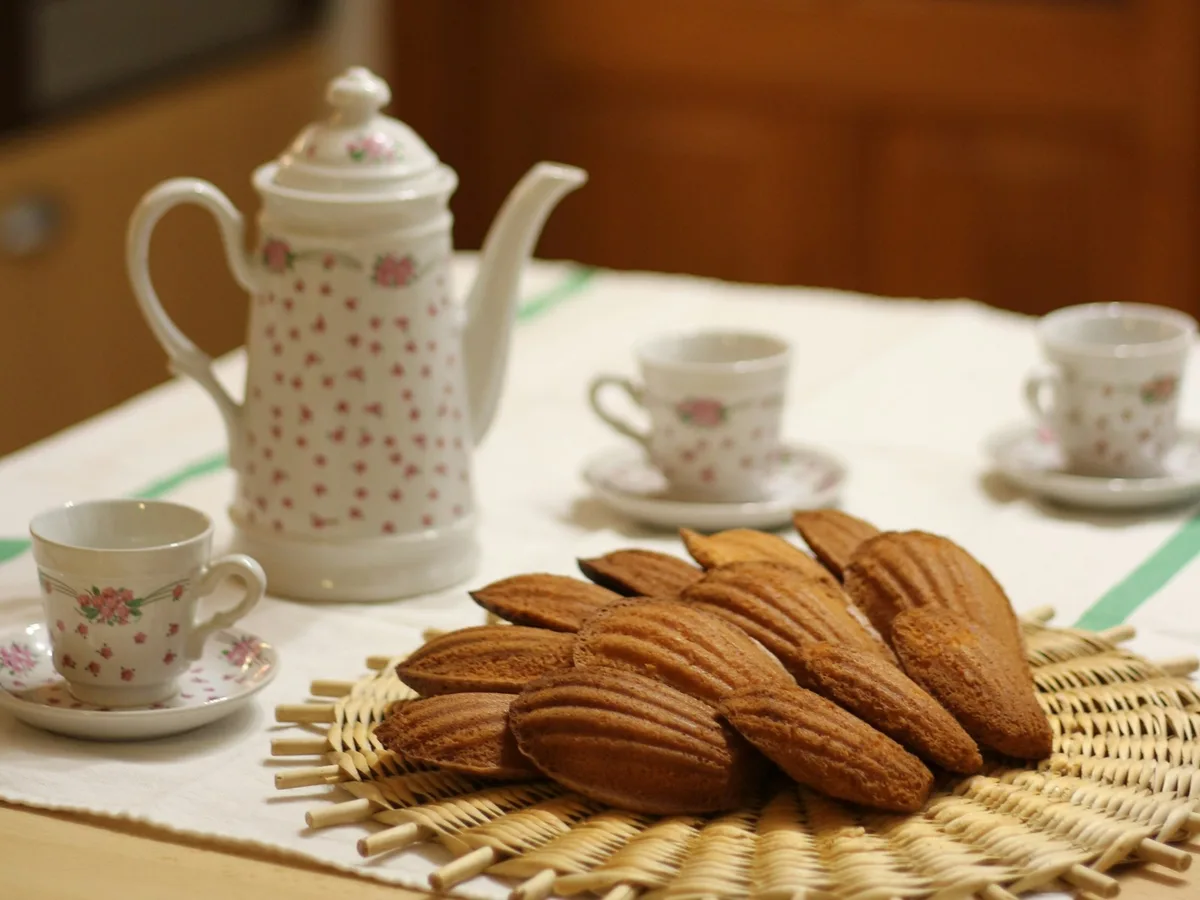
- Packaged biscuits and cakes: madeleines, butter biscuits, small chocolate cakes.
- Fruit, yogurt or compote: often alongside the sweet thing, with a glass of milk.
- Homemade cake: the weekend or Wednesday goûter, when many French primary schools are closed and there's time to bake.
Adults have one too, more quietly: a coffee and a biscuit, or tea and a slice of cake on a Sunday afternoon.
How le goûter fits a Canadian school day
Most Canadian schools let out in mid-afternoon, earlier than French schools, and Canadian dinners are often earlier too. So the goûter moves: it becomes the snack at pick-up or the moment kids walk in the door. In Quebec, where the afternoon snack is called la collation, the idea needs no explaining.
One Canadian rule changes what goes in the bag: many schools are nut-aware, so skip almonds, hazelnut spreads and anything made in a nut-filled kitchen if the snack is eaten at school or daycare. At home, anything goes.
Bake once, snack all week
The French goûter cakes are plain loaves that keep. Bake one on Sunday and it lasts until Thursday, wrapped.
- [Yogurt cake](/recipes/gateau-au-yaourt): the first cake French children learn to bake, traditionally measured with the empty yogurt pot.
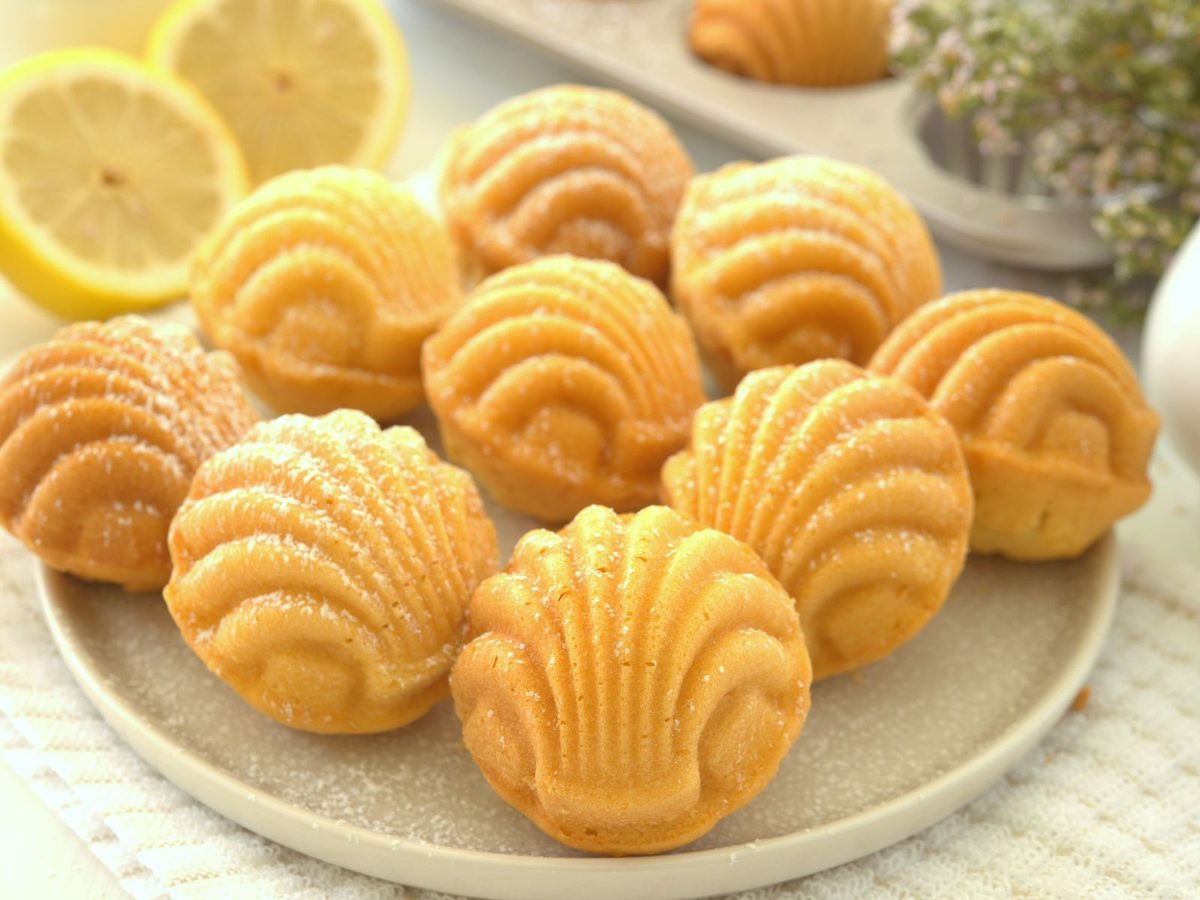
- [Madeleines](/recipes/madeleines): best on the day, but they still make a good lunchbox treat the next morning.
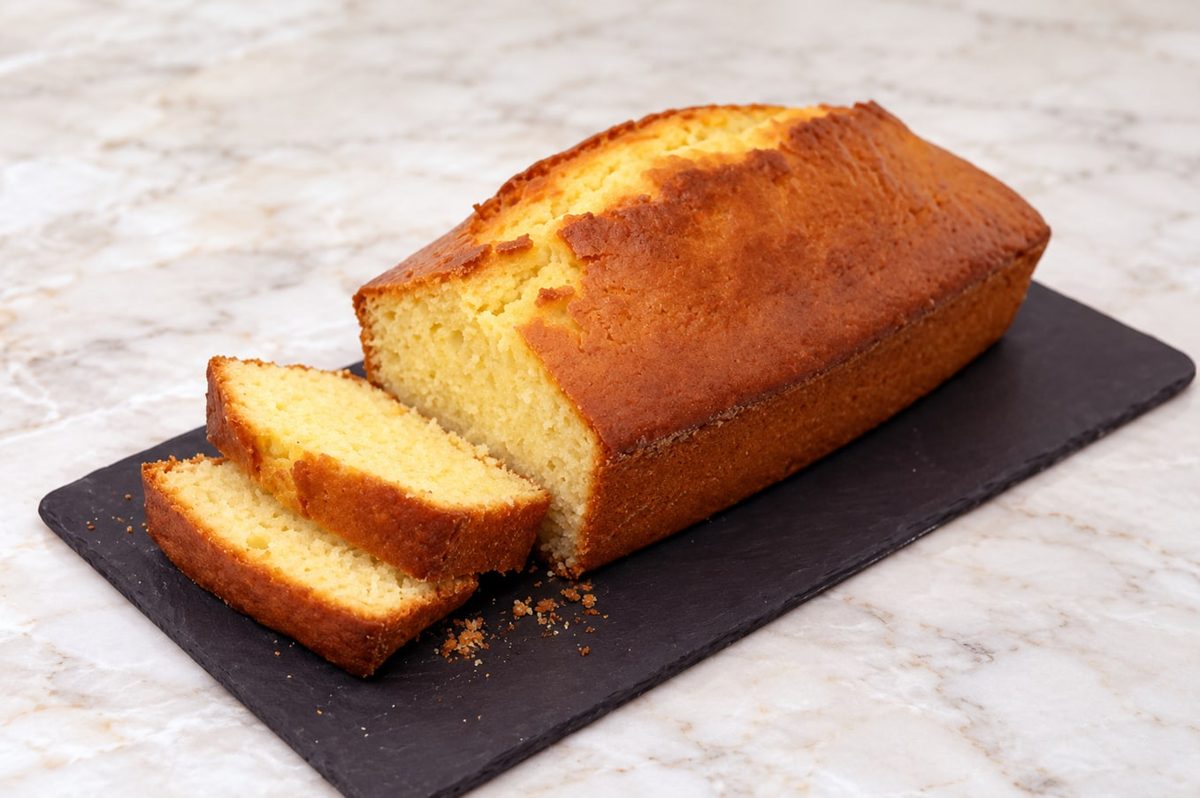
- [French pound cake](/recipes/quatre-quarts): four ingredients in equal weight. It's the cake the French butter guide matters most for.
- [Marble cake](/recipes/gateau-marbre): vanilla and chocolate in one slice, the goûter cake many French children ask for.
- [Kougelhopf](/recipes/kougelhopf): the Alsatian brioche ring, for a weekend goûter with a glass of milk.
- [Far breton](/recipes/far-breton): a thick, custardy Breton flan with prunes, cut in squares.
Quick goûters for a weekday
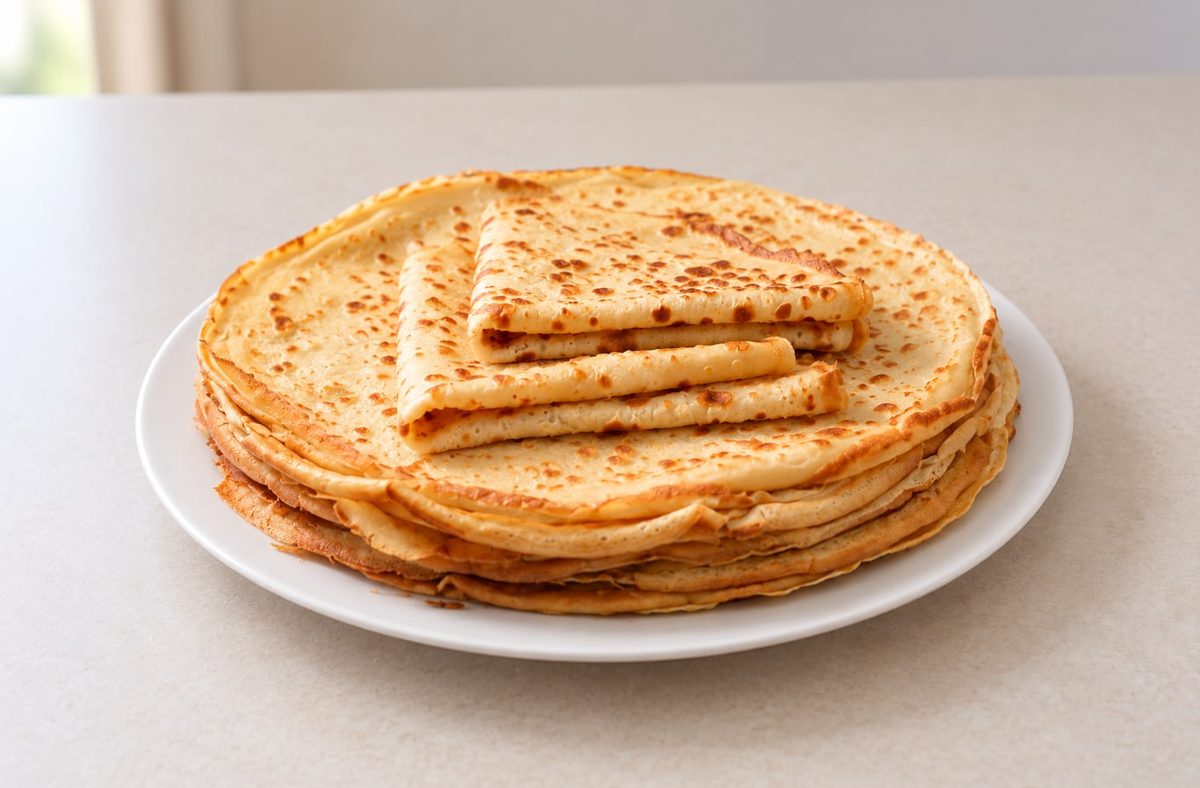
- [Crêpes](/recipes/crepes): make the batter in the morning, cook a stack after school, and spread them with jam, sugar and lemon, or chocolate.
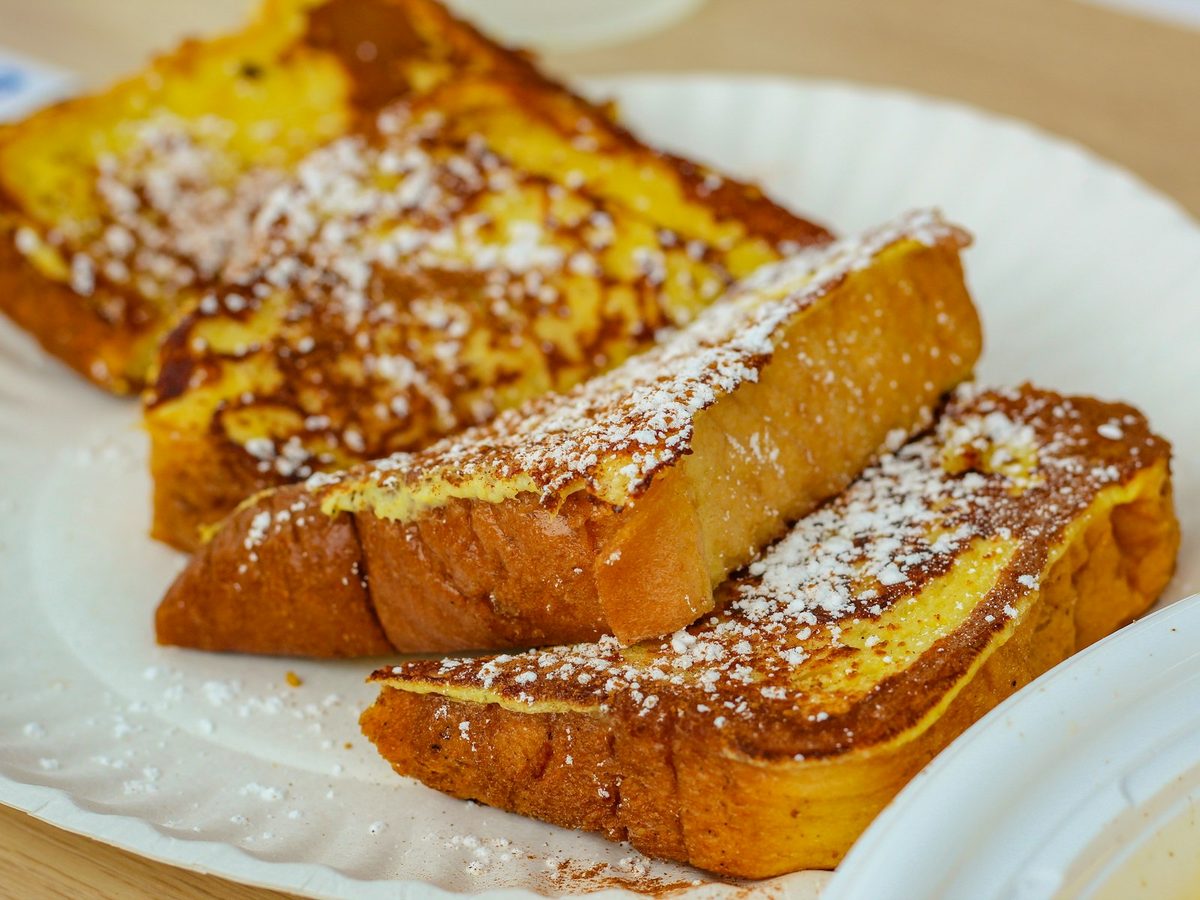
- [Pain perdu](/recipes/pain-perdu): French toast is a goûter in France, not a breakfast. It uses up yesterday's bread.
- [Rice pudding](/recipes/riz-au-lait): made ahead and eaten cold from the fridge.
- [Apple crumble](/recipes/crumble-aux-pommes): warm, with a glass of cold milk, in apple season.
The French goûter, from a Canadian store
- Baguette: most supermarket bakeries bake one daily. Buy it in the morning; it's stale by the next day, which makes it right for pain perdu.
- Chocolate: a plain dark chocolate bar, 50–70% cocoa, broken into squares. The French chocolate guide explains percentages and brands.
- Compote: unsweetened applesauce, sold in jars and single cups in every supermarket.
- Flour for the cakes: Canadian all-purpose is stronger than French flour. The French flour guide says when to use cake and pastry flour instead.
- Baking powder: French recipes use a sachet of levure chimique; the yeast and baking powder guide gives the Canadian measure.
Is a daily snack a good idea?
The French logic is that one planned afternoon snack means no grazing before dinner. It's a set time and a set place at the table, not food on the go. That's the part worth keeping in Canada, more than any particular cake.
When it turns cold, a mug of thick hot chocolate with a slice of pain d'épices is the winter goûter.