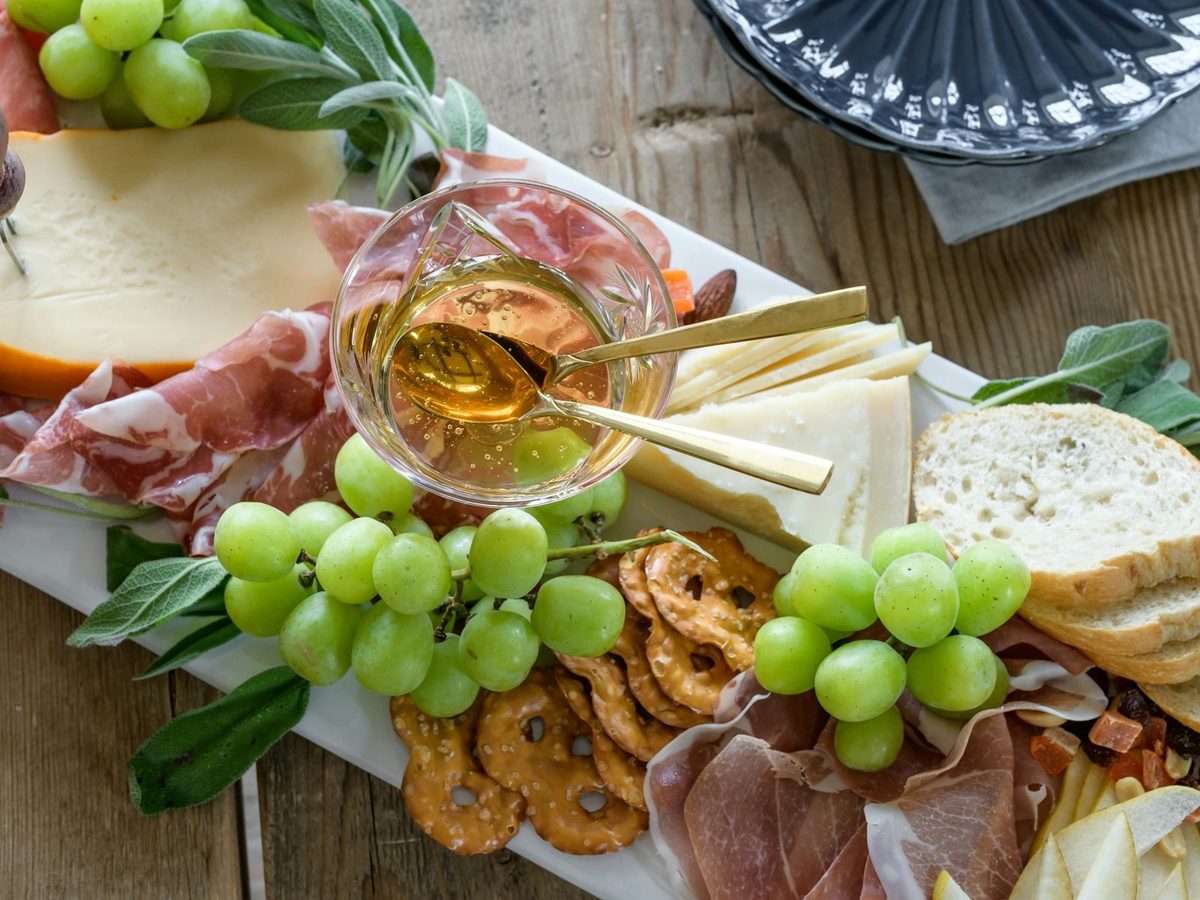
L'apéro is a drink and a few things to nibble before dinner, usually between 6 and 8 p.m. It's the most common way French people invite friends round: lighter than a dinner, no seating plan, and it can stretch into the evening. When it replaces dinner altogether, it's called an apéro dînatoire.
What do the French drink at l'apéro?
- Kir: dry white wine with a little crème de cassis, about one part cassis to four or five parts wine. It's named after Canon Félix Kir, a mayor of Dijon. Use a very dry, cheap white: a Muscadet works well. Made with Champagne it becomes a kir royal; with a crémant d'Alsace such as Wolfberger (SAQ, LCBO), it's the cheaper sparkling version most French tables serve.
- Pastis: the anise apéritif of the south, about one part pastis to five of cold water, which turns it cloudy. Ricard and Pernod are the brands to look for at provincial liquor stores.
- A glass of wine: white, rosé or a light red, or a beer.
- For children and non-drinkers: sparkling water with a fruit syrup, or a sirop à l'eau, syrup topped up with still water.
All of the alcohol is at your provincial liquor store, but the cassis brand changes from province to province, so ask for crème de cassis rather than a particular label. Quebec also grows its own: Cassis Monna & filles, on Île d'Orléans, makes a crème de cassis from its blackcurrants.
What goes on the table?
A French apéro mixes store-bought and homemade.
- From the store: olives, salted peanuts, chips, cherry tomatoes, radishes, and slices of dry sausage.
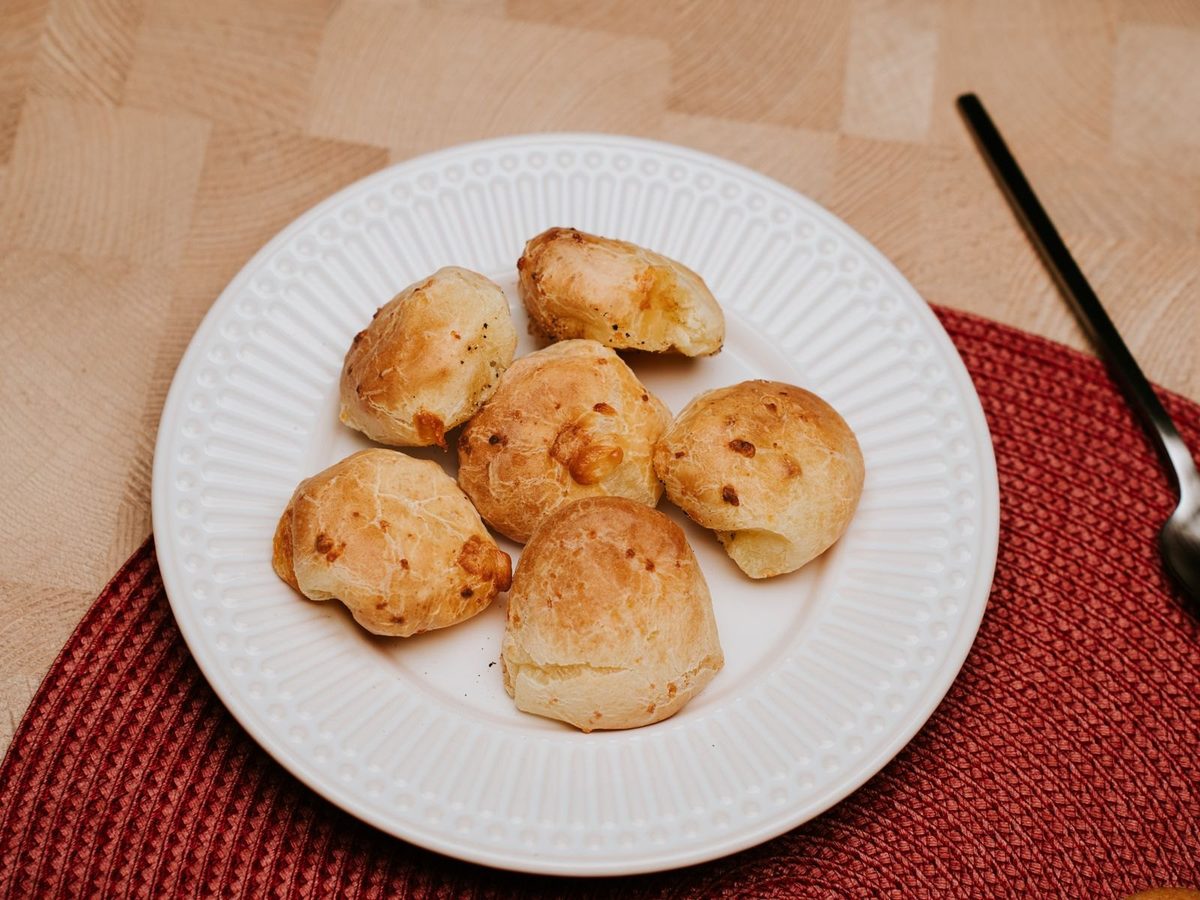
- From the oven: gougères, the cheese puffs of Burgundy, or a tarte flambée cut into small squares.
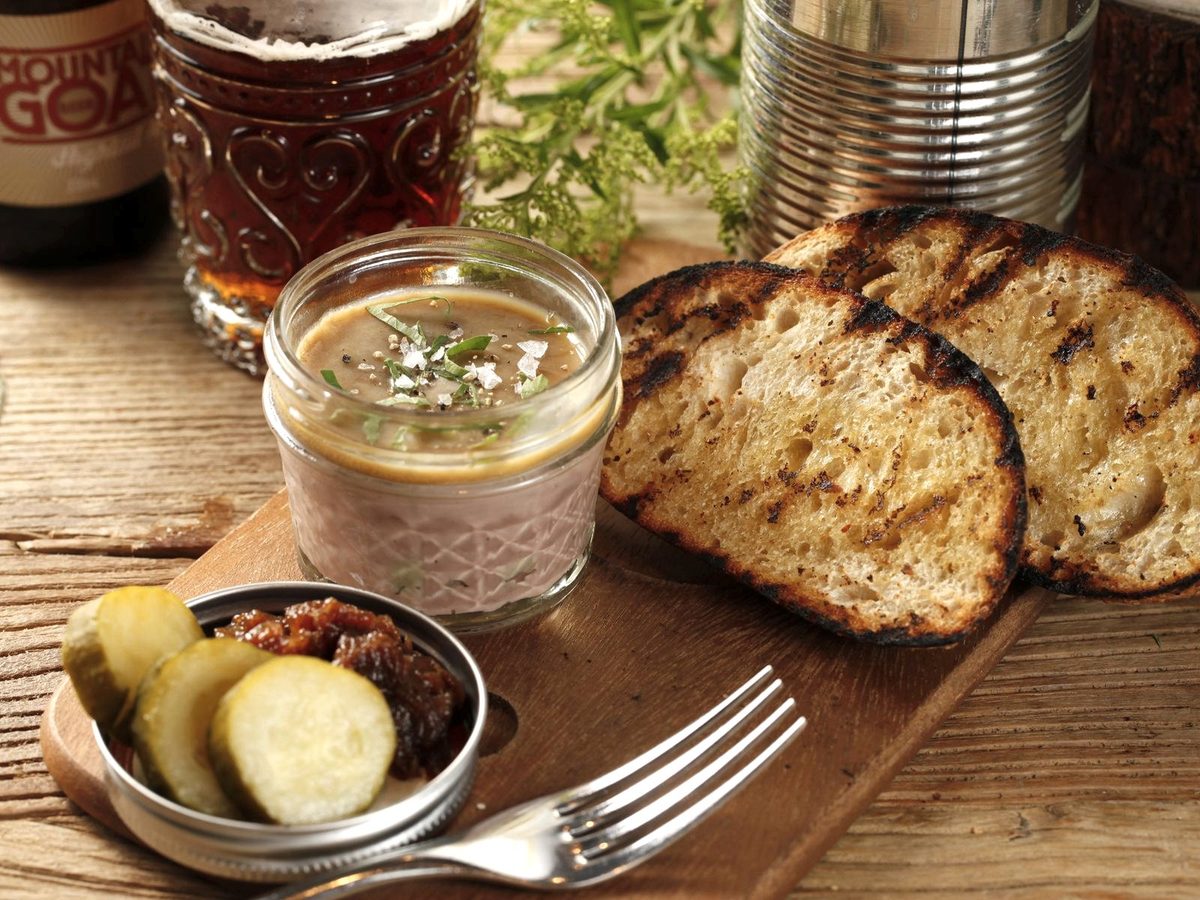
- Made ahead: rillettes or a country pâté with baguette, or a ham and olive loaf cut into cubes.
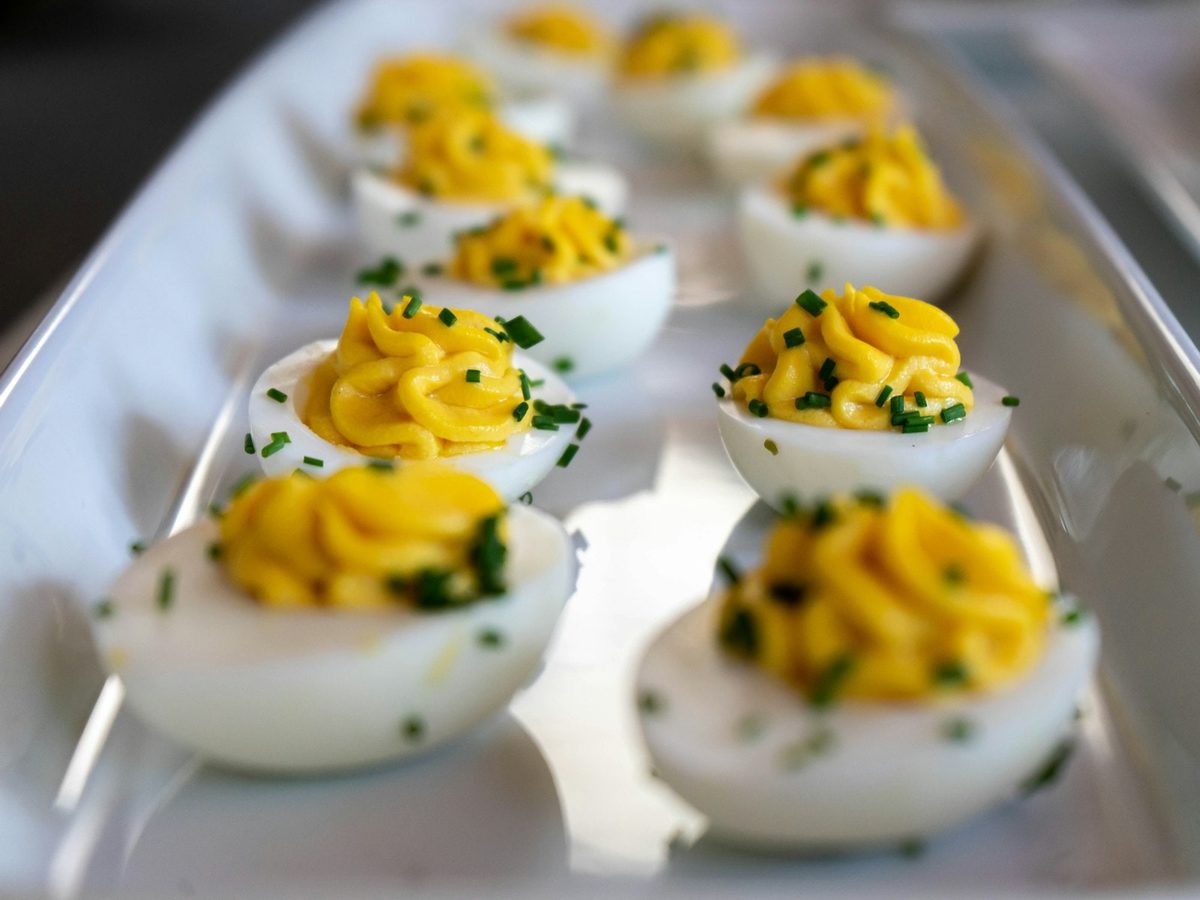
- Something with eggs: œufs mimosa, the French devilled eggs, with a sharp Dijon mayonnaise.
Gougères are surprisingly easy to make, and they're my go-to for an apéro: they look like pastry-shop work and come out of the oven just as people arrive. For the cheese, a block of Swiss grated at home does the job: President's Choice Swiss (250 g) at Loblaws and Real Canadian Superstore, or Compliments Swiss (270 g) at Sobeys. If you see a wedge of Emmi Gruyère (150 g, Walmart and Metro), it gives the nuttier Burgundy taste; the French cheese guide has the rest.
Rillettes and terrine are the two I miss most from a French charcuterie counter. I grew up with rillettes at the apéritif, and I like them all, from Tours or from Le Mans. Here they're rarely sold, but they're cheap to make from pork shoulder and belly, and both are better after a night in the fridge.
How to plan an apéro for six
Pick one homemade thing that can be made the day before and one that comes out of the oven, then fill in from the store.
- The day before: make the rillettes or the terrine.
- That afternoon: make the gougère dough and pipe it onto trays, or fill the eggs.
- When guests arrive: bake the gougères, open the olives and slice the sausage.
For six people before a dinner, plan on about four or five small bites each, plus bowls of olives and nuts. For an apéro dînatoire, double the homemade part and add a cheese board.
How long does an apéro last?
A simple apéro before dinner lasts an hour or two. Guests invited only for the apéro usually head home around dinnertime unless the host asks them to stay, which is why an apéro invitation is so easy to accept and so easy to give.
What's hard to find in Canada?
- Saucisson sec: dried and cured meats can't be brought back from France, and French saucisson is rare here. A whole dry-cured salami sliced at the table is the closest thing; see the French charcuterie guide.
- Rillettes and pâté: rarely sold, so make them.
The Canadian apéro
Some Canadian things fit a French apéro very well: a Quebec cheese, smoked salmon on rye bread, and a local cider in place of champagne. Canada has lots of small artisanal cideries, and their cider tastes a little different from Norman or Breton cider, but it's just as good with gougères. In Quebec, a brut cider such as Le Cidre St-Nicolas Brut (SAQ) is dry enough for an apéro.
The festive version
In December, the apéro gets dressed up for Christmas Eve and New Year's Eve: blinis with smoked salmon, puff pastry bites, salmon rillettes and kir royal. The menu is the same idea, one thing made ahead and one hot from the oven, with more expensive ingredients.