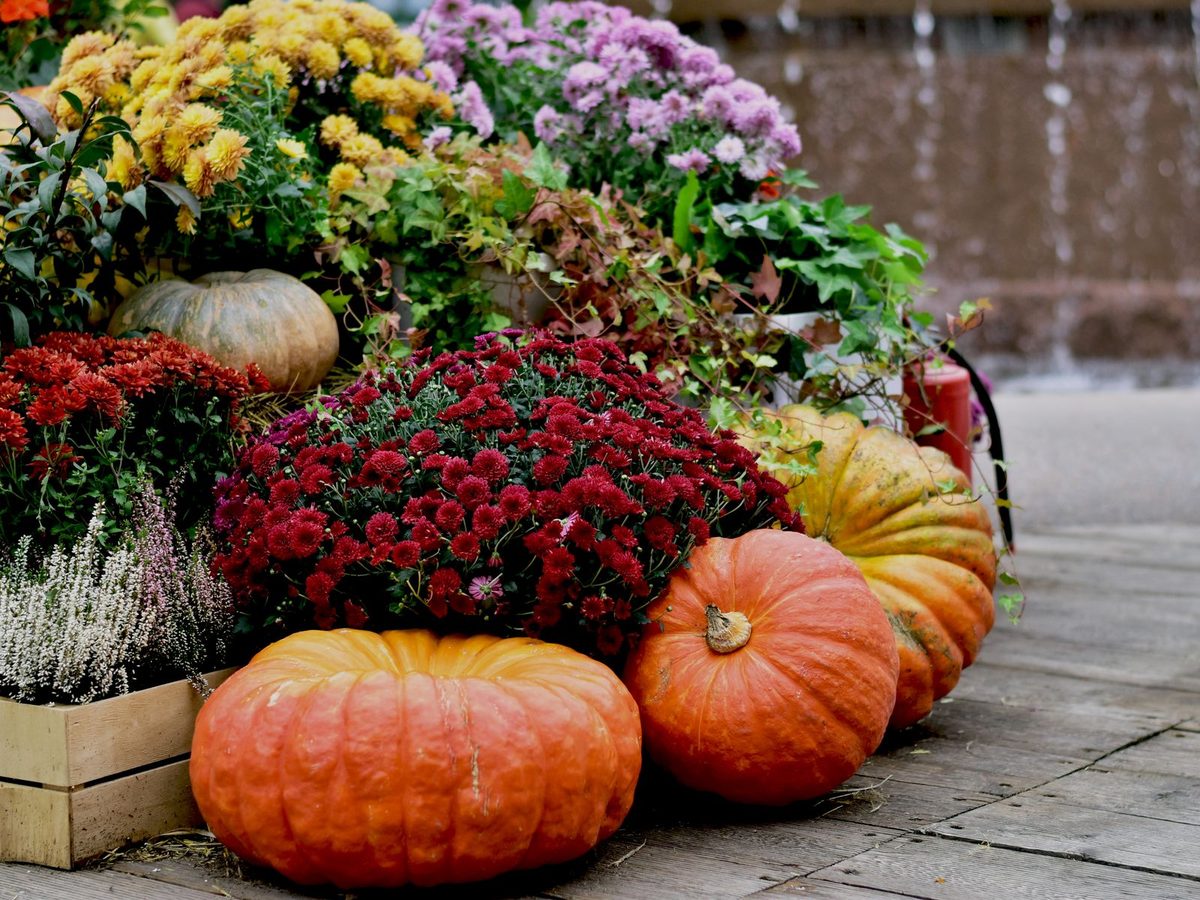
In Canada, 31 October is one of the biggest nights of the year for children, and 1 November is an ordinary school day. In France it's the other way round: Halloween is a small affair, and 1 November, la Toussaint, is a public holiday in the middle of a two-week school break. A French family in Canada gets both.
Do the French celebrate Halloween?
A little. Halloween arrived in France in the late 1990s, pushed largely by shops and advertisers. It peaked in the early 2000s, then faded, and only some children trick-or-treat today, mostly in their own building or street. Costume parties and themed sweets in the shops are the main signs of it.
So the Canadian version is often a surprise: whole streets decorated for weeks, carved pumpkins on every step, and children going door to door in the cold with pillowcases of candy.
What is la Toussaint?
La Toussaint, All Saints' Day, is a Catholic feast on 1 November and a public holiday in France. The Day of the Dead, le jour des morts, is technically 2 November, but because only the 1st is a day off, that's when most families visit cemeteries.
- Chrysanthemums are the flower of Toussaint. Families put pots of them on graves, which is why a French guest will never bring chrysanthemums to a dinner.
- Les vacances de la Toussaint are a two-week school holiday around the end of October, so it's also a time for family visits.
- There's no special Toussaint dish. It's autumn food: soups, roasts, chestnuts, apple desserts, often at a family Sunday lunch.
How do you do both in Canada?
There's no conflict. Halloween belongs to the evening of the 31st and to the children; Toussaint can be a quiet family meal on the nearest weekend, with a thought for family buried in France. In 2026, Halloween falls on a Saturday and Toussaint on the Sunday, so the two sit side by side.
Which pumpkin to buy for soup
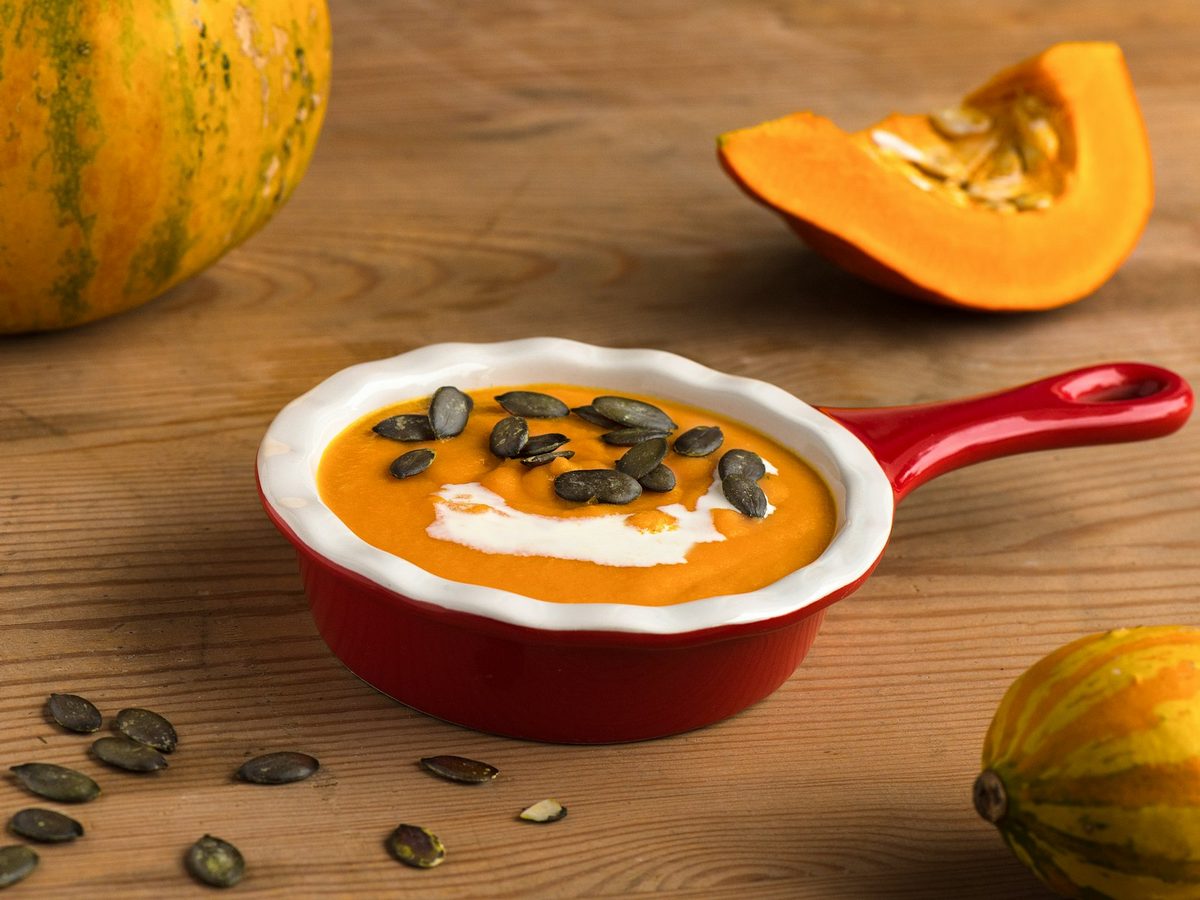
Buy a pie pumpkin, often labelled sugar pumpkin, or a butternut squash. Both are in the produce aisle from September, and a 1.5–2 kg pie pumpkin is about right for a pot of soup for six. The big carving pumpkins are watery and stringy: they're grown for size, not taste.
French recipes say potiron or citrouille, and in France the soup is often made with a dense, orange-fleshed squash. Butternut is the closest in sweetness and texture, and it's in stores all year if the pie pumpkins have sold out after Halloween.
What to cook for Halloween night
Children back from trick-or-treating want something warm and quick before the candy.
- Pumpkin soup: the obvious choice, made with the pie pumpkin or butternut above.
- Croque-monsieur: ready in the time it takes to get the costumes off.
- Crêpes: make the batter before going out and cook them when everyone's back.
- Thick hot chocolate: milk and dark chocolate, for cold hands if the night is freezing.
A Toussaint Sunday lunch
The French autumn Sunday lunch: a slow main dish and a fruit or milk dessert.
- Main: a hachis parmentier, or chicken with mushrooms and cream, a one-pan dish finished with 35% cream.
- For a crowd: tartiflette, with Oka in place of Reblochon (see the French cheese guide).
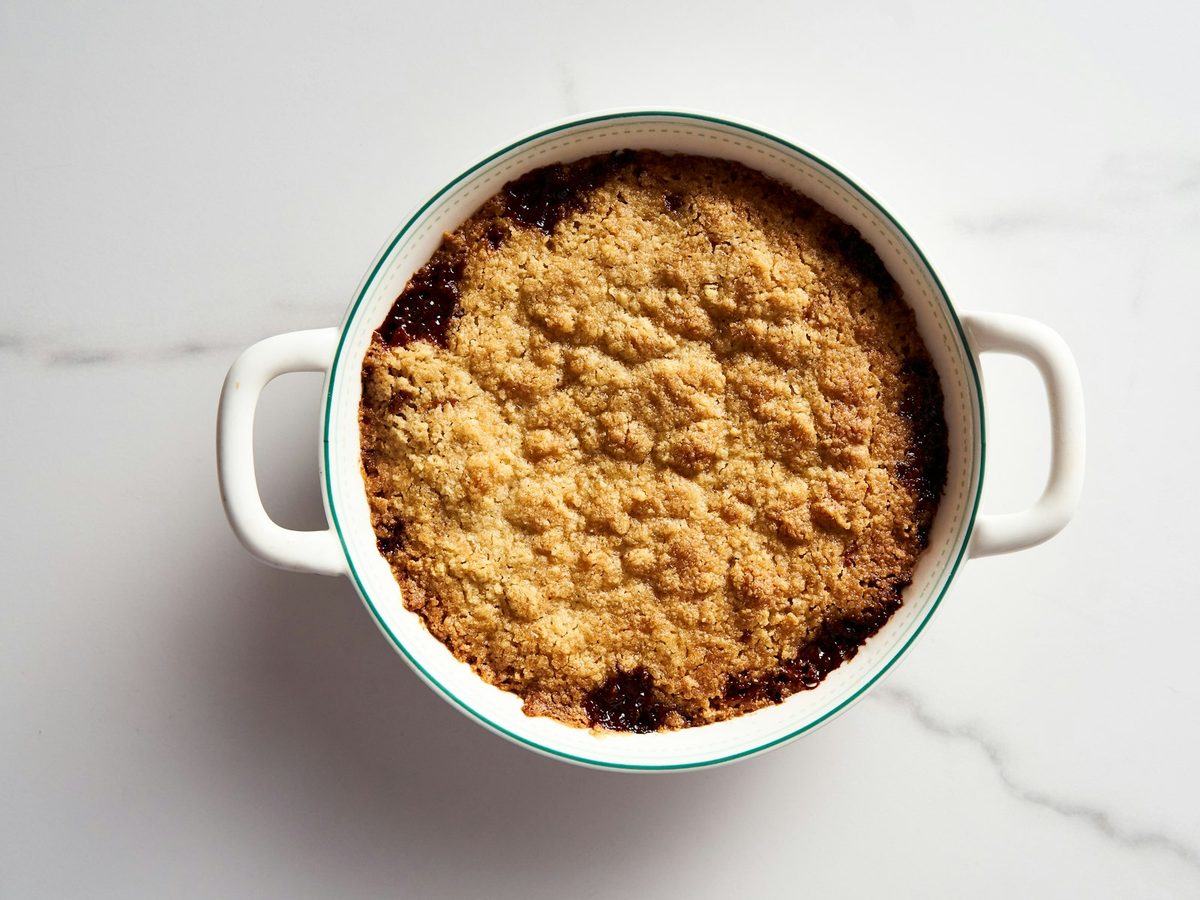
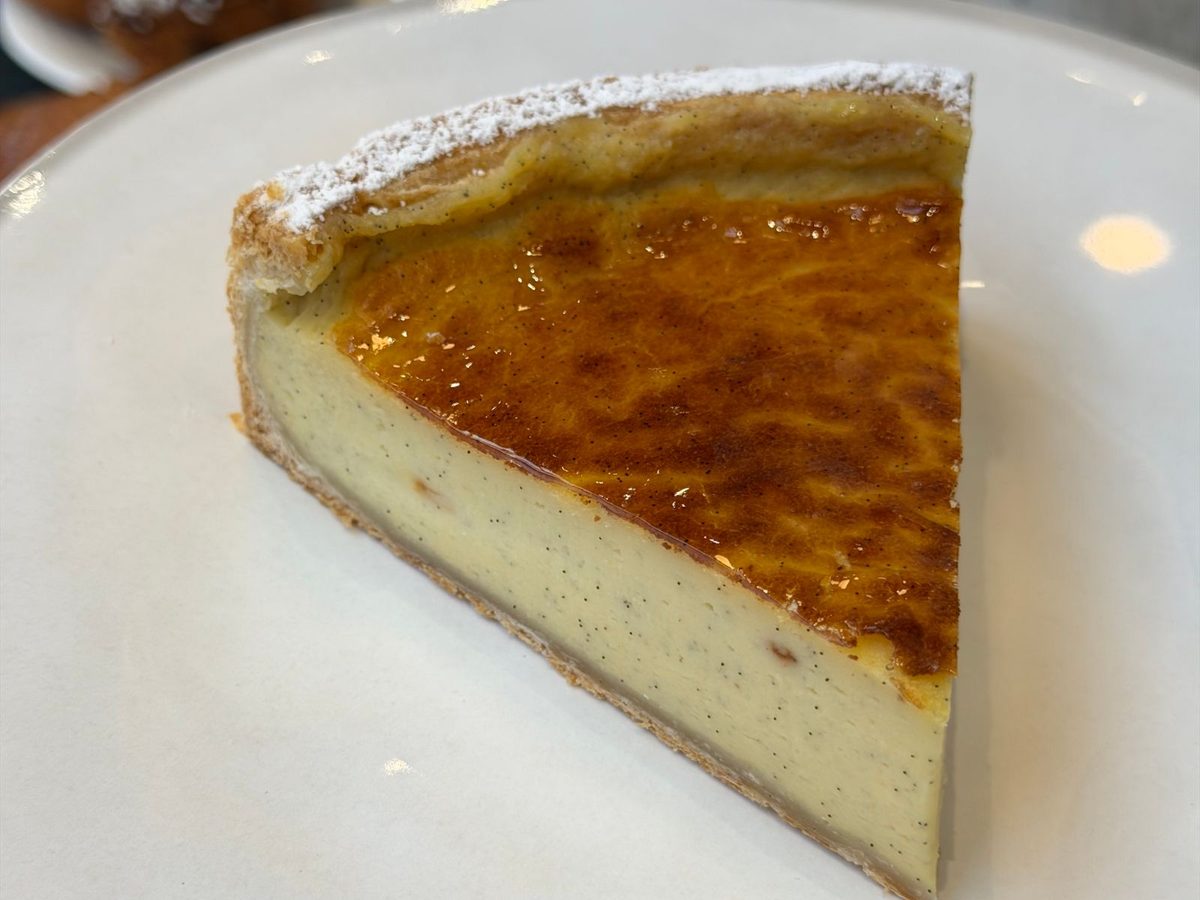
- Dessert: apple crumble, rice pudding made the day before, or a flan pâtissier, the bakery custard tart.
Using up the Halloween pumpkin
If the carving pumpkin wasn't carved, or was carved the same day, its flesh can still go into soup: roast it first to drive off the water, and expect a milder, paler soup than one made with squash. Once a pumpkin has sat lit on a doorstep for days, put it in the compost instead. The seeds, rinsed and roasted with salt, make a good snack either way.