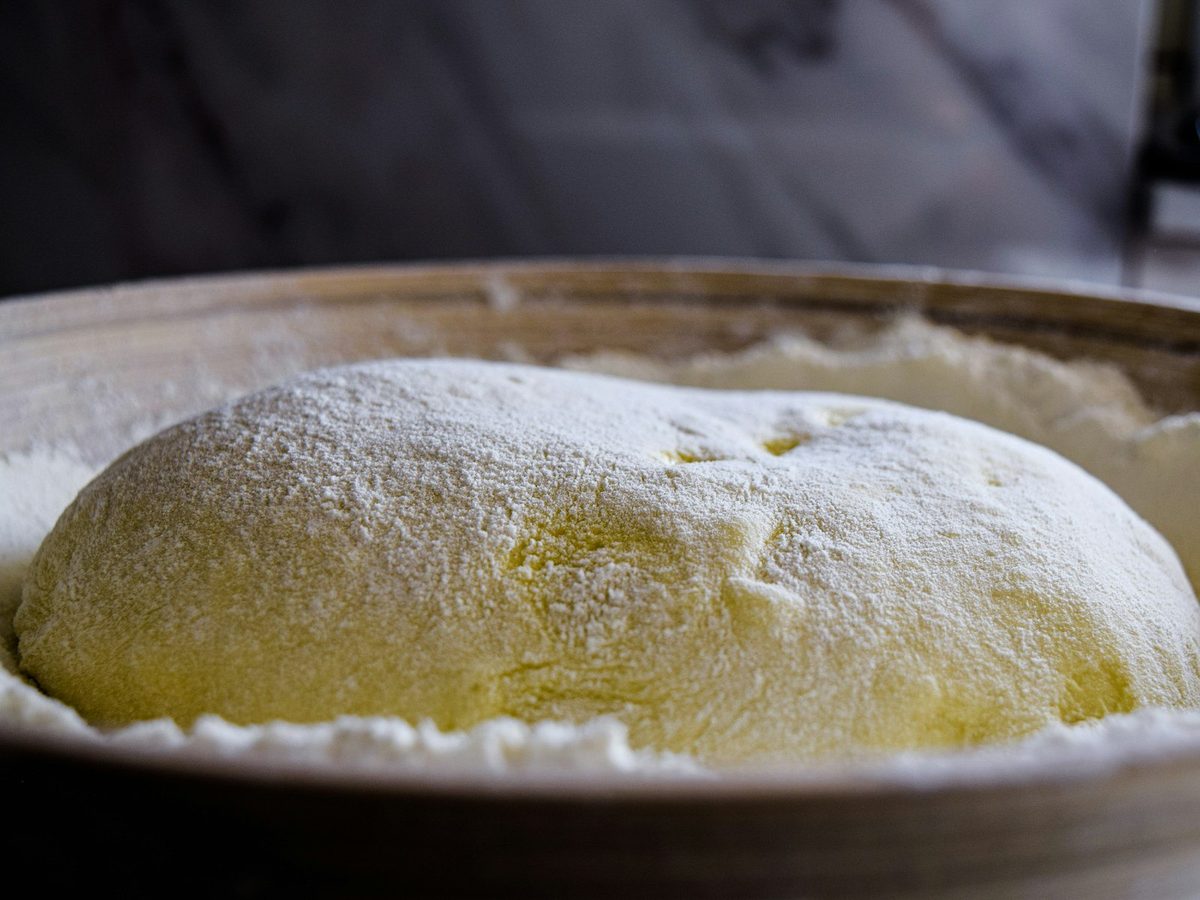
Levure de boulanger is baker's yeast and levure chimique is baking powder: levure doesn't always mean yeast. For fresh yeast, use a third of the weight in instant yeast, which in Canada comes in 8 g envelopes.
French recipes often just say levure, and the rest of the recipe tells you which one. Flour, butter and a rise of an hour or more means yeast; a cake batter that goes straight into the oven means baking powder.
How much instant yeast replaces fresh yeast?
In France, fresh yeast is sold in 42 g cubes, and recipes use the whole cube or a piece of it. Divide the weight by three for instant yeast, or by about two and a half for active dry yeast.
- 1 cube (42 g) fresh yeast: 14 g instant, about 4 teaspoons, or 17 g active dry.
- 20 g fresh yeast, the usual amount for 500 g of flour: 7 g instant, about 2 teaspoons, or 8 g active dry. One 8 g envelope is close enough for a plain bread dough; for a rich dough like kougelhopf, weigh out 7 g.
- 10 g fresh yeast: about 3.5 g instant, 1 level teaspoon.
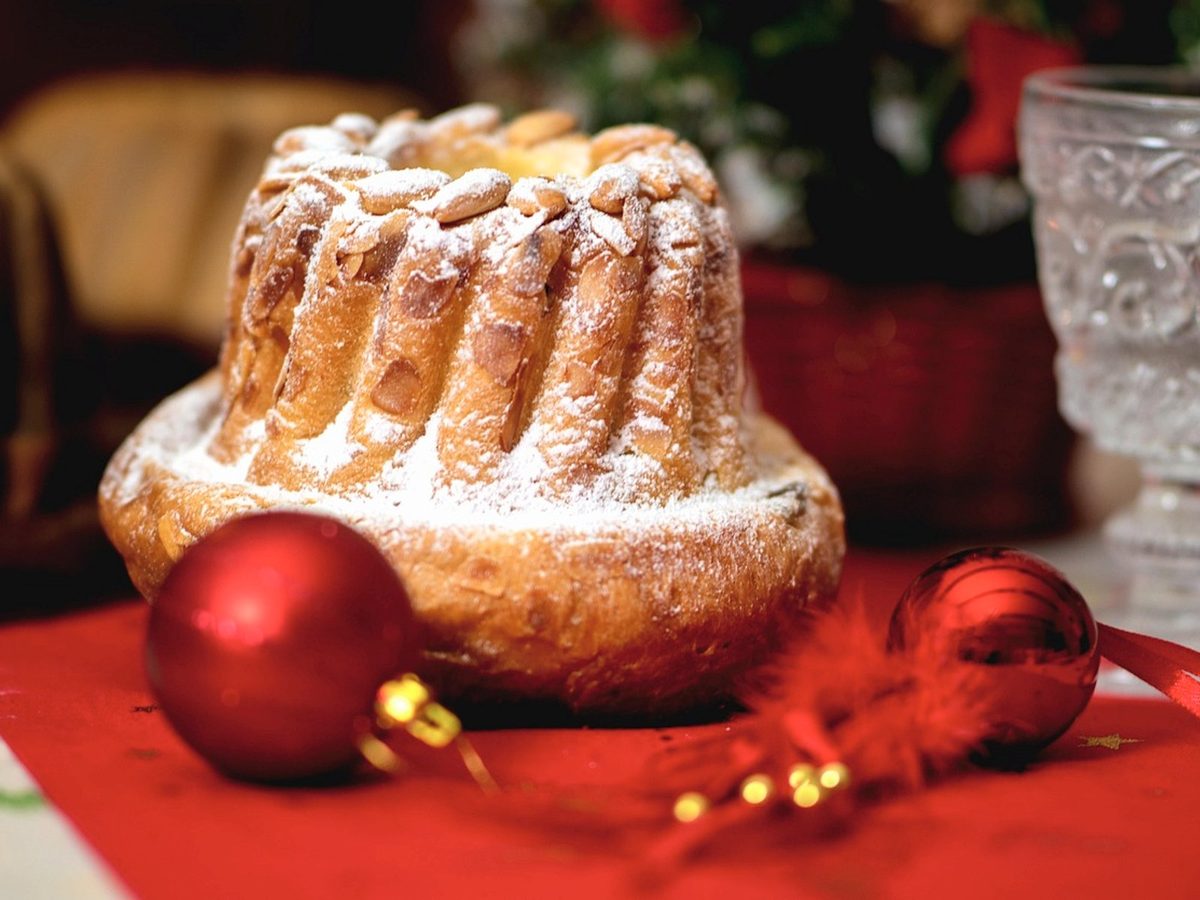
I'm Alsatian, and the kougelhopf is the dough this conversion matters for most: the 20 g of fresh yeast in an Alsatian recipe becomes 7 g of instant yeast in the kougelhopf, weighed from a Canadian 8 g envelope. Beware of American recipes that say "one packet": US envelopes are 7 g, ours are 8 g.
Which yeast do you pick up in the baking aisle?
Fleischmann's is the brand you'll see across the country, with English and French on the same label. Quick Rise, "levure instantanée Levée Rapide", is instant yeast: it goes straight into the flour, like the dry yeast sachets sold in French supermarkets. It comes as a strip of three 8 g envelopes or a 113 g jar.
Traditional active dry yeast, "levure sèche active traditionnelle", comes in a 113 g jar. It has to be dissolved in water first, and it's a little slower. If you bake bread every week, the jar works out far cheaper than envelopes.
How warm should the liquid be?
For active dry yeast, dissolve it in water at about 40°C (105°F): warm on the inside of your wrist, never hot. Leave it 5–10 minutes, until it foams. No foam means the yeast is dead, so start again with a fresh jar rather than waste the flour.
Instant yeast is mixed into the flour, so the liquid only needs to be lukewarm. Brioche and kougelhopf doughs with cold eggs and butter simply rise more slowly; give them the extra time rather than heating the dough.
How long does yeast keep?
Unopened envelopes keep in the cupboard until the date on the strip. Once a jar is open, close it tightly, keep it in the fridge and use it within a few months. To test an old jar, stir a pinch into warm water with a pinch of sugar: it should foam within 10 minutes.
Fresh yeast, if you get some, keeps about two weeks wrapped in the fridge. Good yeast is beige, crumbly and smells pleasantly sour; brown, sticky or sharp-smelling yeast has gone.
Can you find fresh yeast in Canada?
Rarely, so plan on instant. The big chains don't stock it in the dairy case or the baking aisle. A bakery counter might sell you a piece if you ask, but don't build a recipe around it, and if you do find some, the conversion runs backwards: three times the instant weight.
For my kougelhopf here I use instant yeast, because fresh yeast is hard to find. In France a cube sits in the fridge aisle near the butter; here the 8 g envelope in the baking aisle is the reliable option, and it keeps in the cupboard, so there's always one ready.
In a dough this rich in butter, eggs and raisins, those carry the flavour, so instant yeast does the lifting just as well and the difference is hard to taste. The only real change is the method: the yeast goes straight into the flour instead of being crumbled into warm milk.
What about levain?
Levain is a sourdough starter, flour and water left to ferment for days, not a product you buy. A French recipe for pain au levain uses no levure at all. Don't swap levain for yeast weight for weight: the method, timing and water all change.
How much baking powder for a French sachet?
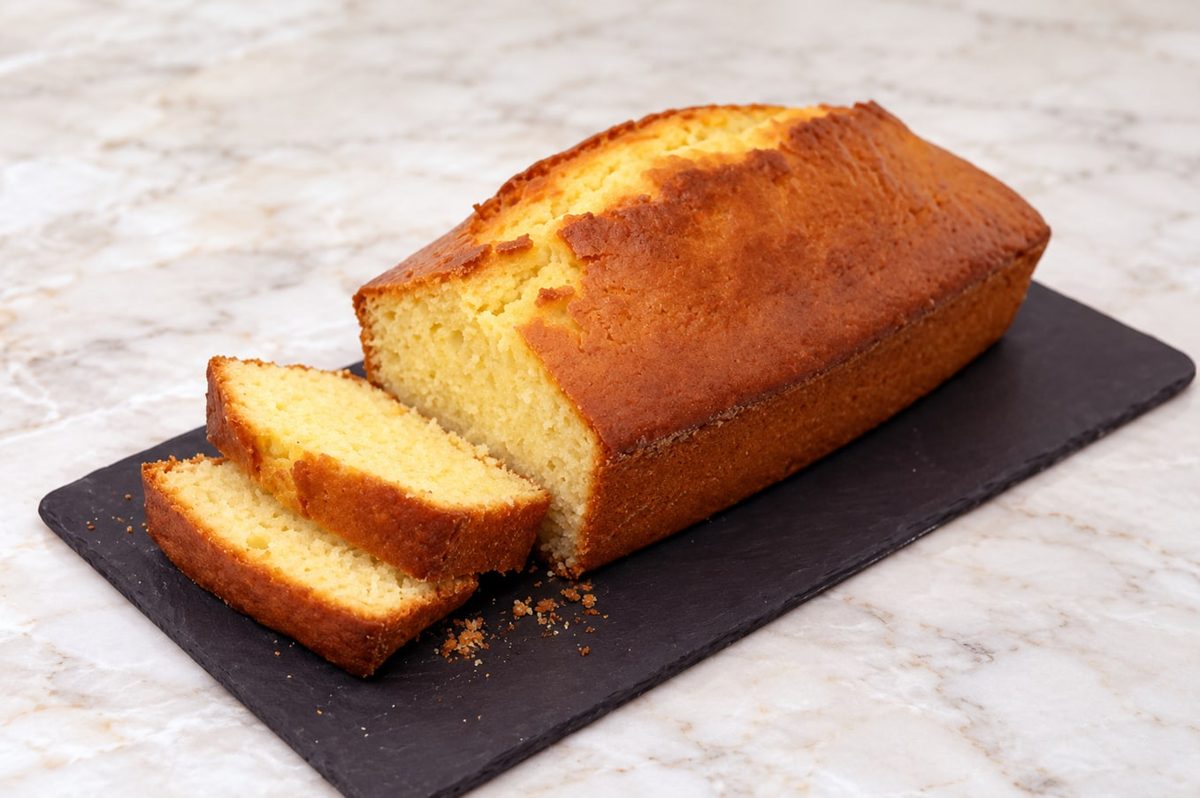
A French sachet of levure chimique holds 11 g and is meant for about 500 g of flour, so a gâteau au yaourt or a quatre-quarts uses the whole thing. Weigh 11 g of baking powder, or measure about 2½ level teaspoons. When a recipe says half a sachet, that's about 1¼ teaspoons.
Too much shows: the cake rises fast, then sinks in the middle, with a coarse crumb and a faintly soapy or metallic taste. Level the spoons with a knife rather than heaping them.
Is bicarbonate the same thing?
No. Bicarbonate de soude is baking soda. It needs an acid in the batter, such as yogurt or buttermilk, to work, and it's far stronger than baking powder, so never swap one for the other spoon for spoon.
And sucre vanillé?
A French sachet of sucre vanillé is about 7.5 g of sugar flavoured with vanilla. A teaspoon of pure vanilla extract replaces it; add a teaspoon of sugar only if the recipe is very lean, since the sachet's sugar barely counts in a cake. Vanilla sugar is also sold here in sachets, if you want the real thing for sprinkling on crêpes.
What's levure de bière?
The levure de bière sold in French pharmacies and health shops is inactive brewer's yeast, eaten as flakes. Like nutritional yeast here, it won't raise a dough, so don't let the word levure fool you.