Salt Cod Brandade

Brandade de morue

↓ Jump to Recipe
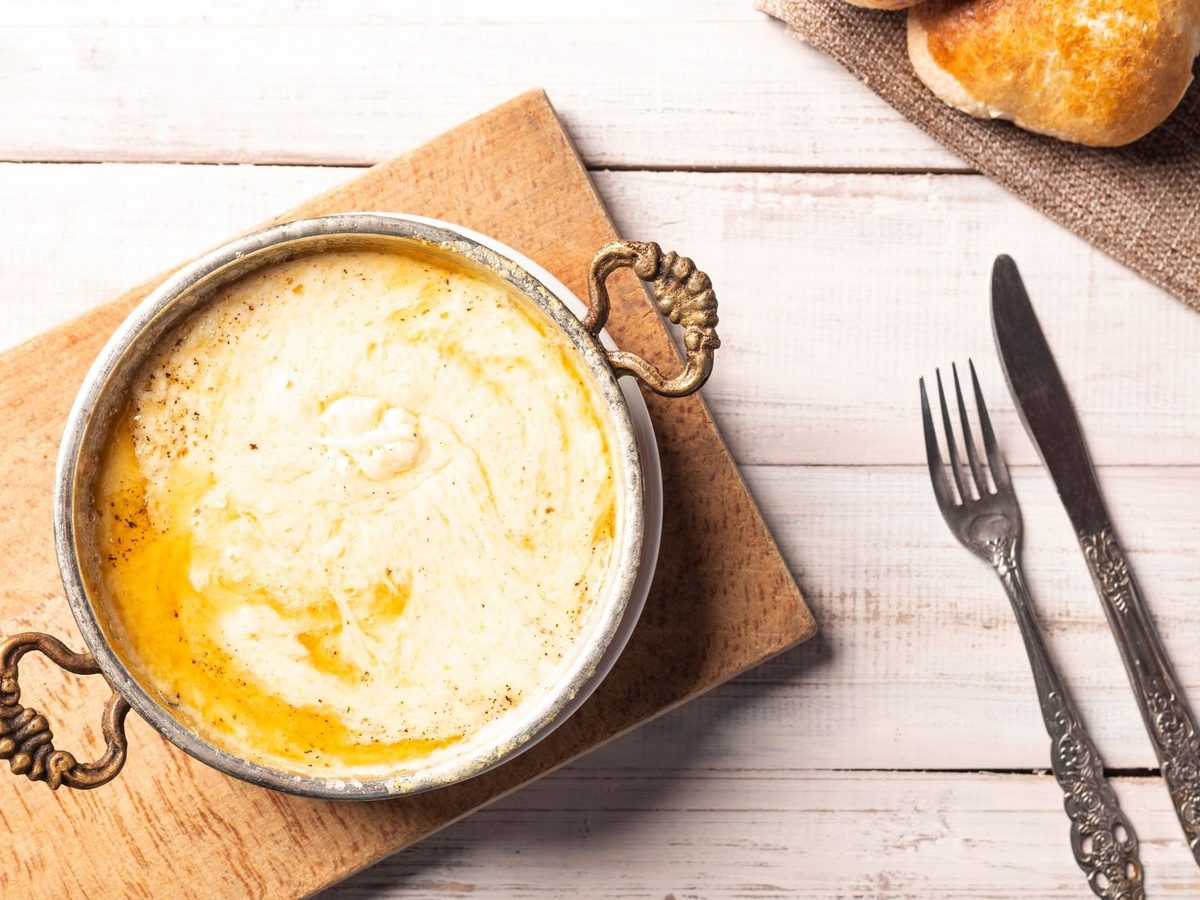
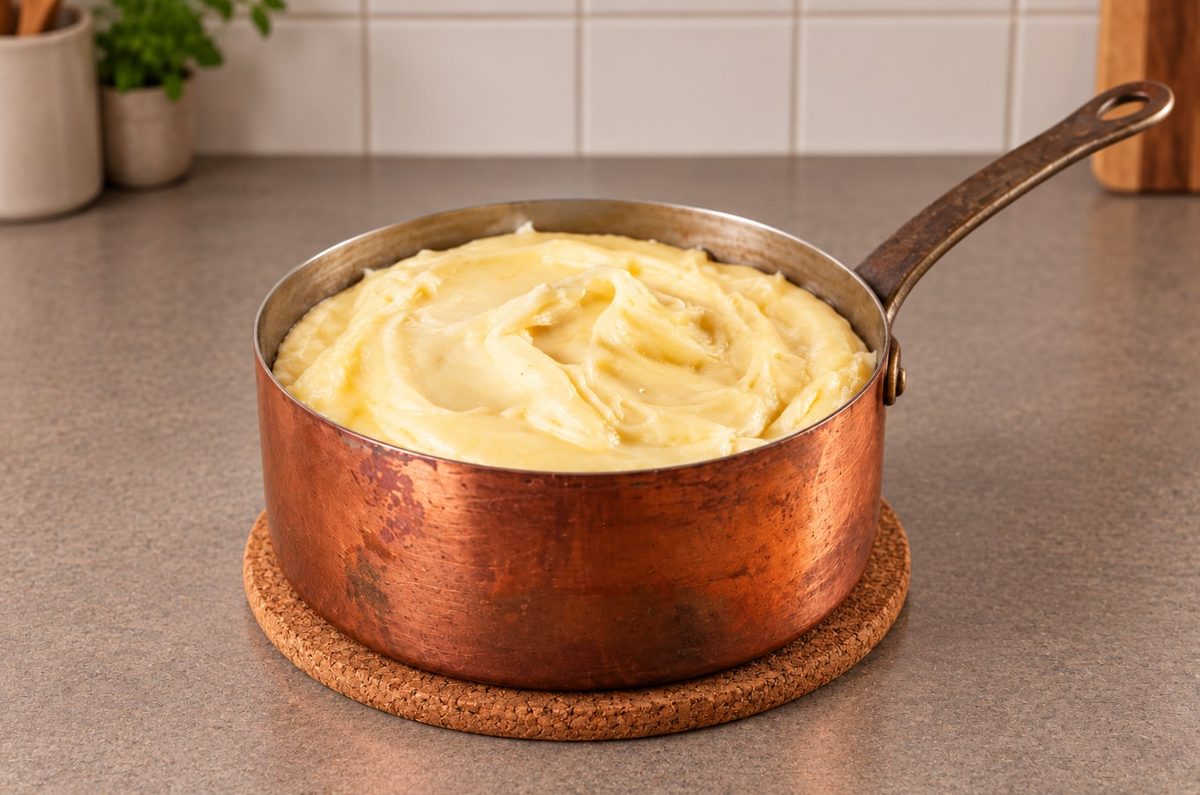
A small copper pan of creamy, whipped brandade with a drizzle of olive oil, next to bread and cutlery.

Salt cod poached in milk, then beaten with warm olive oil and garlic, with a little potato if you like into a creamy spread for toast. A Nîmes classic made with the boneless salt cod sold in boxes here; plan two days for the soaking.

I ate brandade in France, and it's one of the French dishes that's easiest to make and to adapt in Canada. Boxed salt cod has never left the shelves here, so the main ingredient is the same fish, salted the same way.

What I adapt is the texture around it. With Canadian russets I fold in an extra spoon of warm cream, and I keep the potato in when I want it to go further on a bigger table. The only thing you can't adapt is the soaking time, so I start it two evenings ahead.

Brandade is salt cod beaten with warm olive oil and garlic until it turns into a pale, creamy spread, like a fish mousse. It comes from Nîmes, in the south of France, and it's eaten warm with toast or spread in a dish and browned in the oven.

Which salt cod should you buy here?

Salt cod has a long Canadian history, and it's still sold here the way it was for centuries: salted, dried and boxed. Buy boneless pieces with only cod and salt on the ingredient list. Some boxes add smoke flavour and yellow colouring, and in a dish this plain you taste both.

How long does it need to soak?

Time is the only hard part. Thin boneless pieces need about a day in cold water in the fridge, thick loins or bone-in pieces closer to two, and there's no way to hurry the salt out.

Potato or no potato?

In Nîmes, brandade is cod, oil and garlic only. Many home cooks fold in mashed potato to soften it and make it go further, and that's the version here, with the potato kept optional.

Why does brandade turn greasy?

Cold cod and oil poured in too fast. The cod has to be warm from poaching and the oil warm too, then it goes in a thin stream, the way you'd make a mayonnaise.
Making it in Canada

The 2 French ingredients, and what to buy for them in Canada.

  • Morue salée→Boneless salt cod, 454 g box

    It's the same Atlantic cod, salted the same way, so nothing changes in the recipe. Boneless pieces save the picking; if you only find bone-in, buy about 550 g and give it the longer soak.

    Chelsea Boneless Salted Cod (454 g, cod and salt, made in Canada) is at Maxi, shelved with the Afro-Caribbean foods. Elsewhere, look by the fish counter or in the international aisle for boxed boneless salt cod. Skip any box whose ingredients list smoke or tartrazine.

  • Pommes de terre farineuses (Bintje)→Russet or Yukon Gold potatoes

    Russets are the floury ones and mash lightest; Yukon Golds are creamier and never gluey. With russets, add an extra spoon of warm cream.

Good to know: Stores shelve salt cod in different places: by the fish counter, in the international aisle, or with Caribbean and Portuguese foods. If you can't see it, ask at the fish counter before giving up.

Ready to cook?
A small copper pan of creamy, whipped brandade with a drizzle of olive oil, next to bread and cutlery.

Salt Cod Brandade

Brandade de morue

Salt cod poached in milk, then beaten with warm olive oil and garlic, with a little potato if you like into a creamy spread for toast. A Nîmes classic made with the boneless salt cod sold in boxes here; plan two days for the soaking.

Prep time
30 min
Cook time
30 min
Resting time
24 hr
Total time
25 hr
Servings
6

About 24 hours of soaking in the fridge for thin boneless pieces, 36–48 hours for thick or bone-in pieces. Change the water every 8 hours or so.

Ingredients

Original recipe: 6 servings.

Instructions

  1. Soak the cod. Rinse the cod, put it in a large bowl of cold water, cover and refrigerate. Change the water every 8 hours or so. Thin boneless pieces need about 24 hours; thick loins and bone-in pieces 36–48 hours. If the box gives a longer time, follow the box.
  2. Test the salt. Before you drain it, cut off a small piece, drop it in boiling water for a minute and taste it. It should taste like well-seasoned fish. If it's still harsh, change the water and soak another 8–12 hours.
  3. Cook the potatoes. If using, boil the potatoes in unsalted water until a knife slides in easily, about 20 minutes. Drain and mash.
  4. Poach the cod. Drain the cod and put it in a pan with the milk, bay leaf and enough water to cover. Bring just to a simmer and poach 8–10 minutes, until it flakes. Don't boil it, or it toughens.
  5. Flake it. Drain the cod and flake it while it's still warm, removing any skin and bones.
  6. Beat in the oil. In a heavy pan over low heat, or in a food processor using short pulses, work the warm cod with the garlic. Add the warm olive oil a thin stream at a time, beating constantly, then the warm cream. Stop when it's pale and creamy, like a thick mousse.
  7. Finish. Fold in the mashed potato if using. Season with lemon juice and pepper; it rarely needs salt. Serve warm with toast, or spread in a dish and brown 10 minutes at 220°C (425°F).

Notes

  • If the oil starts pooling instead of blending in, stop adding it, beat in a spoon of warm cream until it comes back together, then carry on more slowly.
  • Soaked too long and it tastes flat? Nothing is lost: season the finished brandade with salt a pinch at a time.
  • Keeps 2 days in the fridge. Warm it gently in a pan with a spoon of cream.
  • Without a food processor, use a wooden spoon and a heavy pan; it takes about 10 minutes of beating.
  • Leftover brandade makes very good fish cakes: shape, flour and pan-fry.

Made this? Send it to whoever you're cooking for next, or pin it for later.

Canadian guides

French ingredients and what to buy in Canada »