When a French recipe says farine T55, buy unbleached all-purpose flour. For T45, look at what you're baking first: in madeleines and sponge cakes it's a soft pastry flour, so buy cake and pastry flour, but in a brioche or kougelhopf it's a strong flour, and all-purpose is the match.
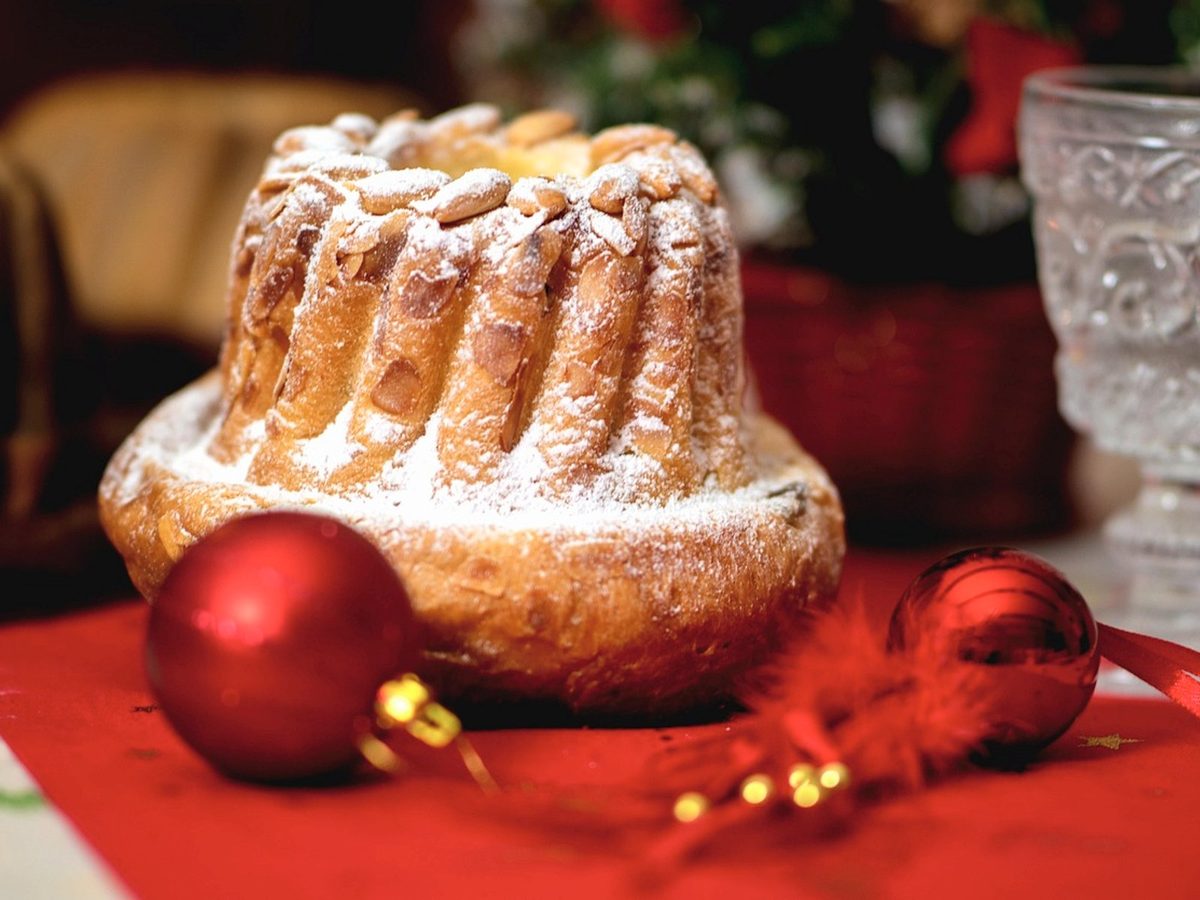
I'm Alsatian, and kougelhopf is exactly the dough where the usual "T45 means cake flour" shortcut goes wrong. A yeast dough made with cake flour can't hold its butter, and the crumb comes out dry and crumbly.
What the number on a French bag measures
The T stands for type, and the number tracks the mineral ash left when a sample of flour is burned. Lower means whiter and more refined: T45 is under 0.50% ash, T55 between 0.50 and 0.60%, T65 between 0.62 and 0.75%.
Ash says nothing direct about protein, and protein is what decides how a dough behaves. That's why one T number can cover both a soft cake flour and a strong bread flour.
Which T45 is your recipe asking for?
French shops sell two kinds of T45. Plain T45, often sold for pâtisserie, is soft, around 9–10% protein: that's the one for madeleines, financiers, génoise and sablés. Farine de gruau is also T45, but it's milled from stronger wheat, around 11–12% protein or more, and it's what bakers use for brioche, croissants and kougelhopf.
If the recipe says T45 and has yeast and butter in it, read it as gruau and use all-purpose. If it rises with baking powder or whipped eggs, use cake and pastry flour, as in the madeleines. The kougelhopf uses all-purpose for this reason.
For my own kougelhopf here, unbleached all-purpose is what I recommend: Robin Hood Unbleached or Five Roses Never Bleached, whichever the store has. It's strong enough to hold the butter and eggs and give the tall, soft rise a kougelhopf needs, and unbleached keeps the faint wheaty taste of French flour.
The surprise for a French baker here is how strong the everyday flour is: the bag Canadians buy for cookies is about level with a French T65 bread flour. That's good news for a brioche dough, and it's why the cakes are the recipes that need the swap, not the yeast doughs.
How strong is Canadian all-purpose?
Canadian wheat is hard, and our all-purpose is strong: the Robin Hood and Five Roses labels both show 4 g of protein per 30 g serving, so around 12–13%. That's more than T55, which sits around 10–11%, and about level with T65.
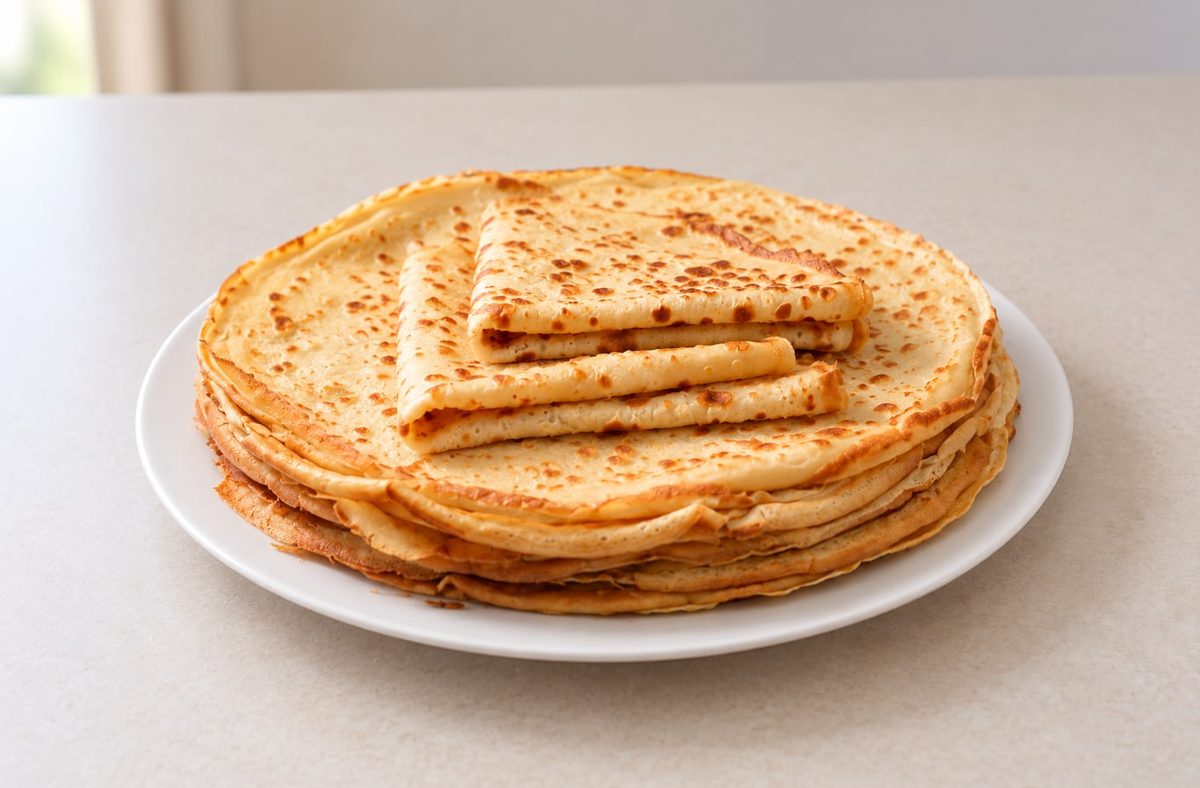
Where strength helps, use it without changes: choux pastry, kouign-amann, brioche and other yeast doughs. Where it doesn't, give it time. Rest crêpe batter at least an hour and tart dough 30 minutes in the fridge, so the gluten relaxes and the crêpes stay tender and the pastry doesn't shrink.
For a baguette or a country loaf, the T65 recipes, all-purpose already gets you close. Bread flour gives a chewier crumb and a bit more spring in the oven, but its label shows the same rounded 4 g per 30 g, so the gap is smaller than the name suggests. Don't put bread flour in cakes or cannelés: they turn rubbery.
Bleached or unbleached?
Pick unbleached when the shelf gives you the choice. Bleaching whitens flour after milling, and French flour isn't bleached, so unbleached is the closer match in colour and in its slightly wheaty taste.
Both national brands sell one: Robin Hood Unbleached and Five Roses Never Bleached. For cake and pastry flour you may not get the choice, and in a madeleine it hardly shows.
Why weigh instead of using cups?
French recipes give flour in grams, so use a scale and you never have to convert. A cup scooped straight from the bag holds noticeably more flour than one spooned in and levelled, and in a madeleine or cannelé batter that's enough to change the texture.
No cake and pastry flour in the house?
Swap 10% of the all-purpose for cornstarch: for 100 g of T45 in a cake, use 90 g of all-purpose and 10 g of cornstarch. Cornstarch has no gluten, so the mix bakes softer. Keep this trick for cakes and cookies (sablés, financiers); it weakens a yeast dough.
Going the other way, Robin Hood's own rule is 1 cup plus 2 tablespoons of cake and pastry flour for each cup of all-purpose.
What about T80, T110 and T150?
These are the darker French flours, with more of the bran left in. Canada doesn't sell them by number, so blend:
- T80 (farine bise): roughly 3 parts all-purpose to 1 part whole wheat.
- T110 (semi-complète): roughly half all-purpose, half whole wheat.
- T150 (complète): whole wheat flour on its own.
Whole wheat drinks more water than white flour, so expect to add a spoonful or two to a bread dough.
Is imported French flour worth it?
Rarely. If you see a bag of French T45 or T55 in a specialty shop, it costs far more than Canadian flour, and with the swaps here you won't taste the difference in most recipes. Save it for a very delicate génoise if you're curious.
What do I buy for a buckwheat galette?
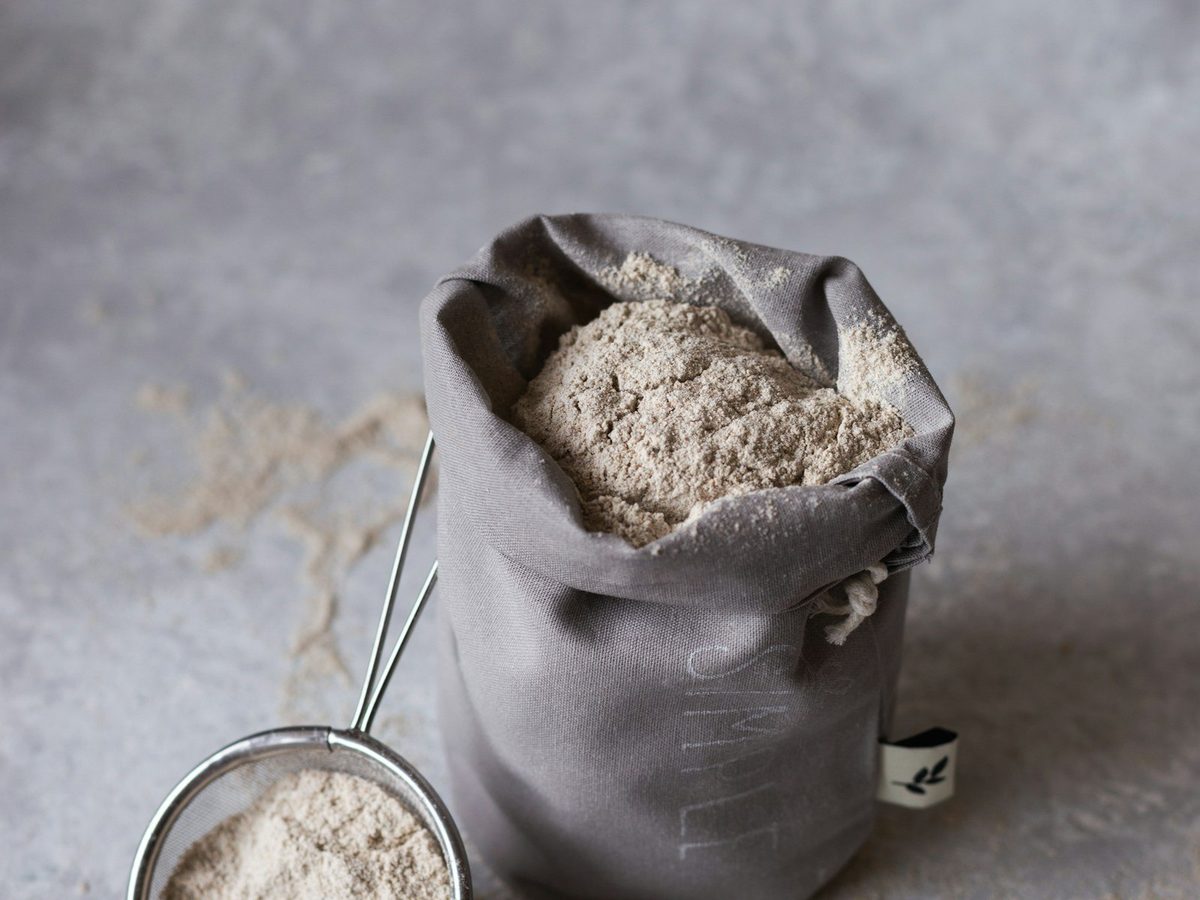
A Breton galette is made with farine de sarrasin, also called blé noir: buckwheat, which isn't wheat at all. Quebec stores have the most choice, including stone-ground flours from Quebec mills, and national chains carry at least one organic brand.
Light, finely ground flour gives a thinner, lacier galette; dark stone-ground flour is earthier and makes a thicker one. If you cook for someone who avoids gluten, read the bag: some buckwheat flours carry a wheat warning. The galette complète uses 100% buckwheat.