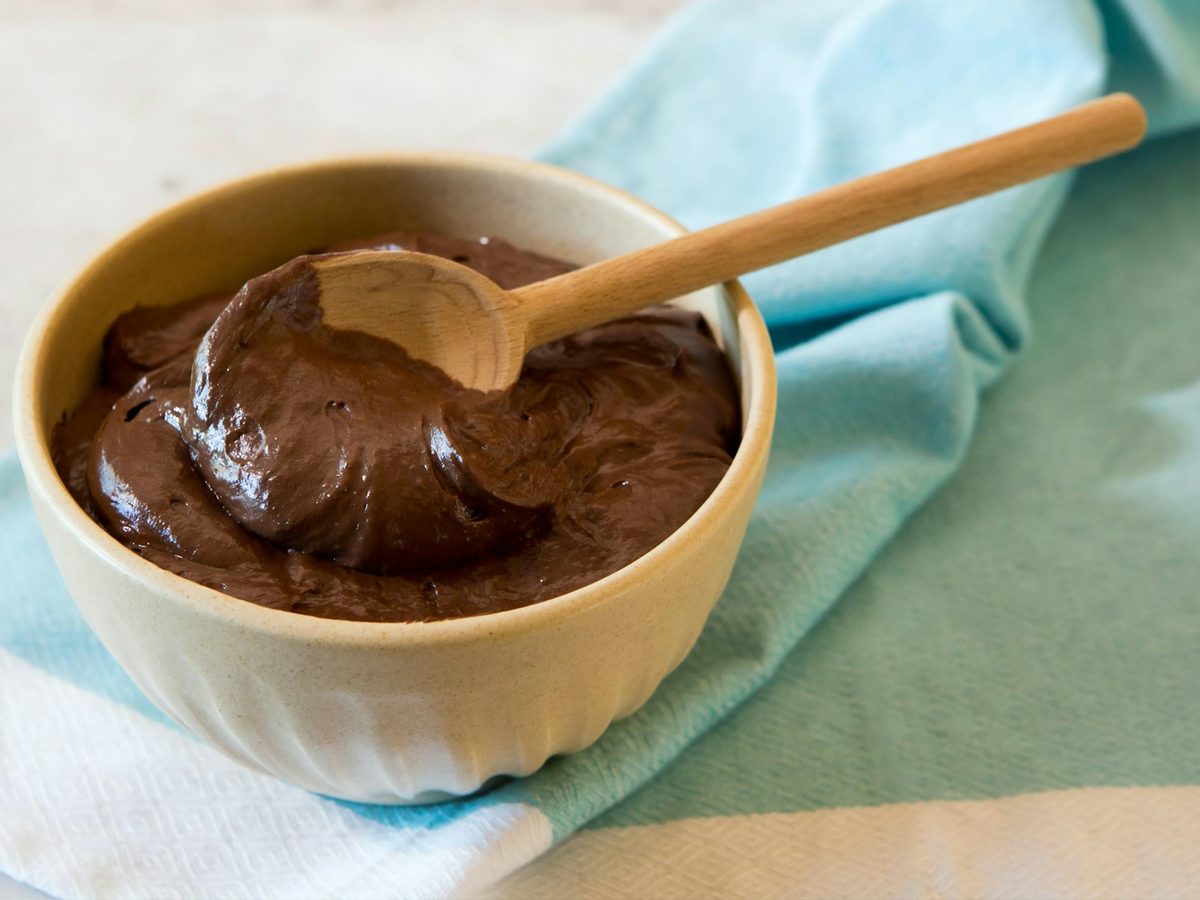
My mom made chocolate mousse when I was a kid, and I still make it the way she did: in one big bowl, put in the middle of the table with a spoon. Nobody gets a neat little glass, you just serve yourself until the bowl is scraped clean. I still make it here, and it helps that it needs almost nothing.
The one thing that surprised me in Canada is the chocolate. In France you grab a big bar of baking chocolate made to melt, and here the baking aisle is mostly chips and squares, so I go to the chocolate aisle and buy a 70% eating bar instead. A good one melts just as smoothly and gives the same deep, not-too-sweet mousse.
The French home version is melted dark chocolate, egg yolks and whipped egg whites, folded together and left overnight in the fridge. There's no cream, so it tastes of chocolate first and stays light.
Which eggs to use
Use ordinary fresh eggs: Canada Grade A, large, from the fridge case, uncracked and well before their best-before date. Canadian shell eggs are washed and kept cold but not pasteurized, and pasteurized shell eggs are rarely sold here, so this is the same raw-egg mousse people make in France.
The eggs in this mousse are never cooked. Health Canada's general advice is that pregnant people, young children, older adults and anyone with a weakened immune system shouldn't eat raw or undercooked eggs. If you're serving any of them, make a baked dessert instead, like far breton or cherry clafoutis.
Buy an eating bar, not baking chocolate or chips
The chocolate does all the work here, so it's worth getting right. Buy a 70% bar from the chocolate aisle, not chips: chips have less cocoa butter, so they melt thick and the mousse sets dense. A good bar's ingredients are short: chocolate or cocoa mass, sugar, cocoa butter, and maybe lecithin or vanilla.
How it should look the next day
Chilled overnight, it should hold a spoon-shaped scoop and feel airy, with small bubbles you can see when you cut into it. A heavy, fudgy mousse means the whites were overwhipped or folded in too roughly.