For puff pastry, buy a frozen block from the freezer aisle and read the ingredients: most Canadian puff pastry has no butter in it. For pâte brisée, make your own: a butter crust takes 10 minutes, and the ready-made shells here are almost never all butter.
French supermarkets sell ready-rolled pastry in the fridge case, pur beurre and cheaper versions side by side. Here it's frozen, and the ingredient list tells you more than the name on the box.
What's in the freezer here?
- Tenderflake Puff Pastry, 397 g: made with a palm and canola oil margarine, no butter. It's in almost every chain, puffs well and tastes neutral.
- President's Choice Butter Puff Pastry, 450 g, pre-rolled: "made with real butter" on the box. Read the ingredients: if a shortening is listed as well, it isn't pur beurre, but it still tastes more of butter than margarine pastry.
- In Quebec, Première Moisson sells a pâte feuilletée pur beurre (400 g) made with butter only, and Dumas a pâte feuilletée au beurre (450 g). Metro's Irrésistible "au beurre" contains palm shortening too.
Which recipes forgive margarine pastry?
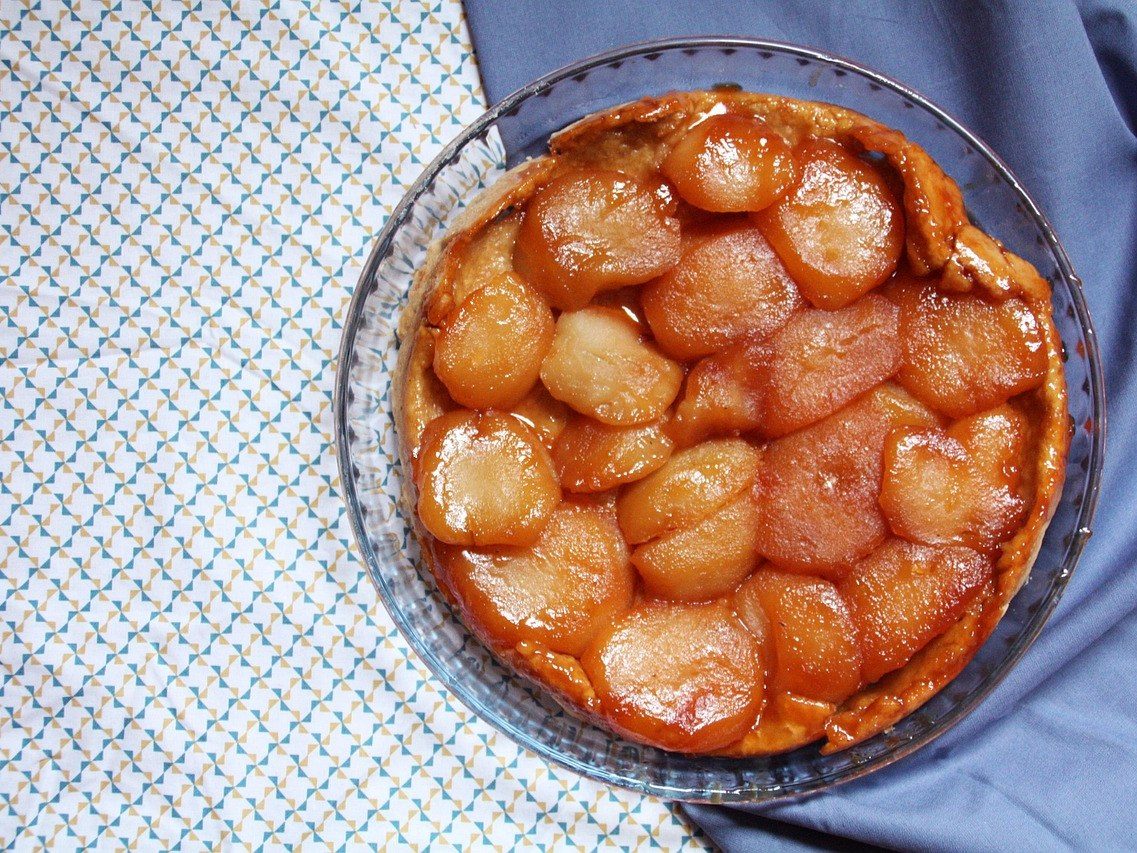
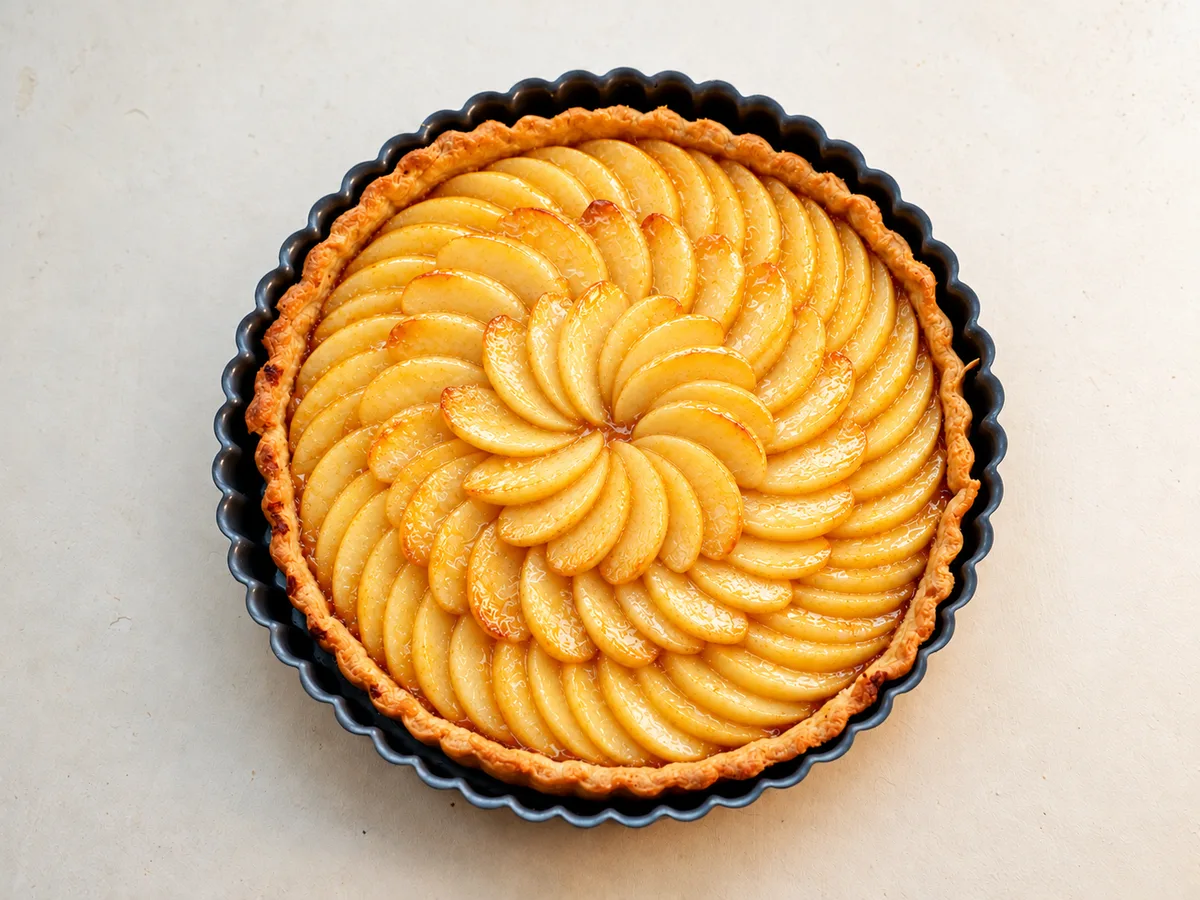
Under caramel or a filling, you'll hardly taste the difference. Tenderflake is fine for vol-au-vent cases filled with a creamy sauce, cheese straws for an apéritif, and a tarte tatin if you make it with puff (the tarte tatin here uses a butter shortcrust), since the caramel covers it.
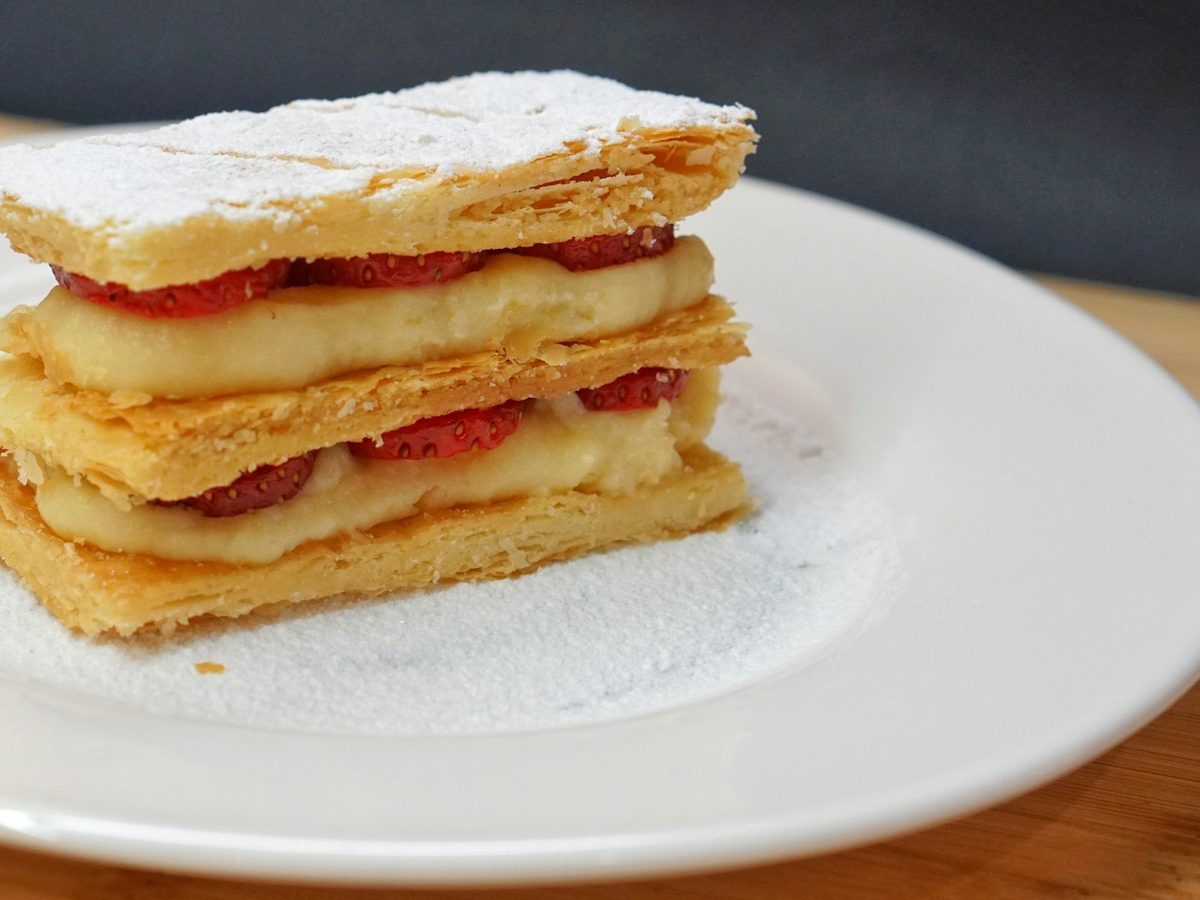
Where the pastry is the dish, butter matters: galette des rois, palmiers, mille-feuille. Margarine pastry tastes flat there and can leave a waxy feel in the mouth. For a galette des rois, I'd buy a butter block or make the rough puff below.
How do you thaw and bake frozen puff pastry?
Thaw it overnight in the fridge, still wrapped. It's ready when it bends without cracking; if it turns soft and sticky while you work, put it back in the fridge for 15 minutes.
Cut straight down with a sharp knife: dragging the blade seals the layers and the edges won't rise. Bake at 200–220°C (400–425°F) until deep golden all over, including underneath. Pale puff pastry is still doughy in the middle layers.
Frozen pie shell or homemade pâte brisée?
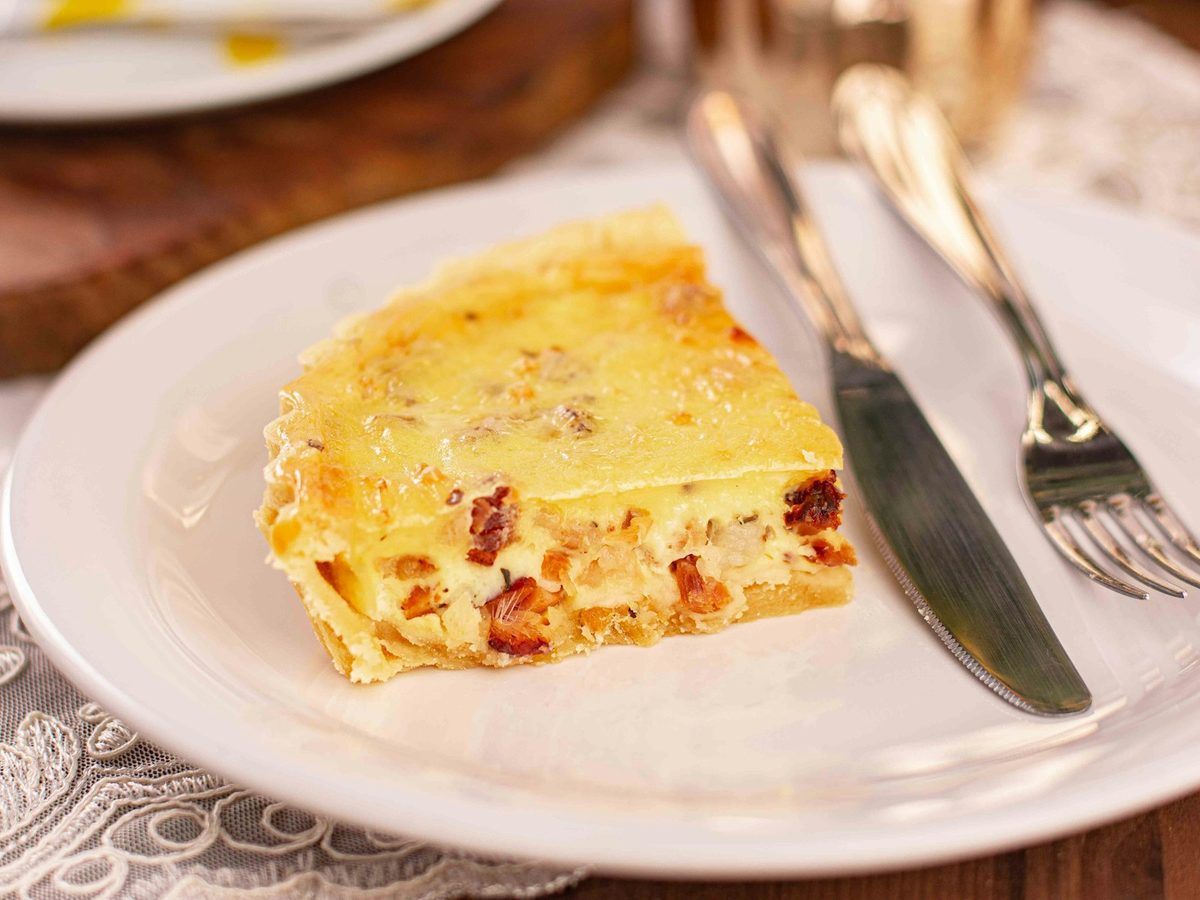
Frozen pie shells are made with lard or shortening, and the same brand can use either depending on the box, so read it. They bake flakier and less buttery than a French brisée. If you're truly out of time, a deep-dish shell, blind-baked first, will hold a quiche Lorraine, but treat it as a fallback.
Making it is quick. Rub 100 g of cold unsalted butter, in cubes, into 200 g of all-purpose flour and ½ teaspoon of salt until it looks like coarse crumbs. Add an egg yolk and 2–3 tablespoons of ice water and press it together without kneading.
Chill it 30 minutes, roll it 3 mm thick and line a 24 cm tart pan, then chill again. To blind-bake, line it with parchment and dried beans and bake 15 minutes at 190°C (375°F), then lift out the beans and bake 5–10 minutes more, until the base looks dry and the edges are pale gold.
No tart pan with a removable base? Canadian Tire sells Wilton's 28 cm one (make a third more dough), and a 24 cm Fox Run pan is on Amazon.ca.
Regular 80% butter is fine here. Canadian all-purpose is stronger than French T55, so handle the dough as little as possible and don't skip the rests, or it shrinks in the oven. The flour guide explains why.
I make my own pâte brisée here, and I'd strongly advise you to do the same. The ready-made pastry is poor: almost never all butter, so it bakes flaky like a pie crust and tastes of shortening rather than of butter. In France you'd grab a pur beurre roll from the fridge case; here, the 10 minutes with flour and cold butter is the only way to get that taste.
It also works anywhere in Canada: flour, butter, an egg yolk and salt are in every store. Make a double batch, wrap the second disc well, and it keeps in the freezer for the next quiche.
What replaces pâte sablée?
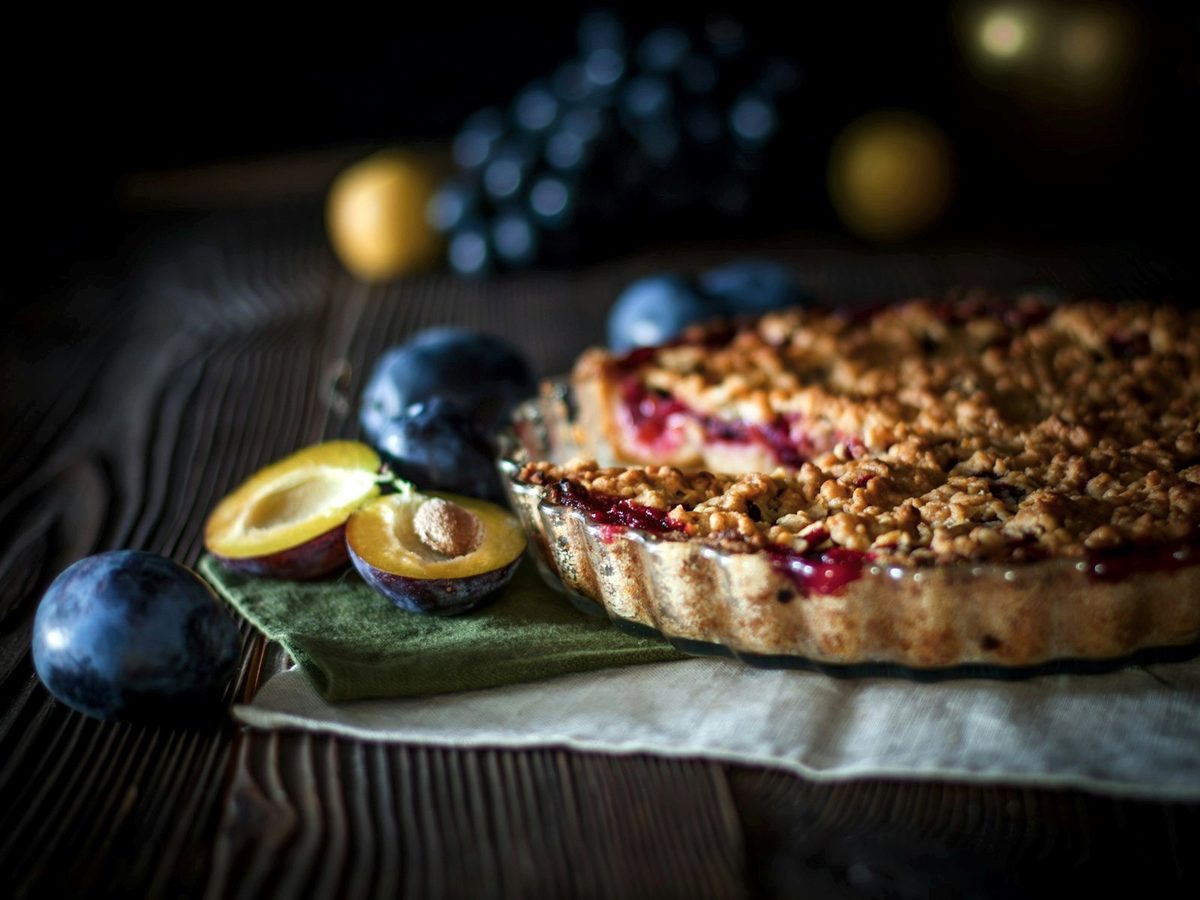
For a sweet fruit tart I'd make it: it's quick, and frozen shells are made for pies, not French tarts. Rub 100 g of cold butter into 200 g of all-purpose flour, 80 g of icing sugar and a pinch of salt until sandy, which is where sablée gets its name. Add 1 egg and press together.
Sablée is soft, so chill it at least an hour before rolling, and patch any cracks with your fingers in the pan. Bake it blind at 180°C (350°F) for about 20 minutes, until evenly golden. Canadian icing sugar contains a little cornstarch, which only makes the crust more tender.
Quick rough puff
Mix 250 g of all-purpose flour with 1 teaspoon of salt. Add 200 g of very cold butter in 1 cm cubes and toss to coat. Add 120 mL of ice water and press into a shaggy dough with visible lumps of butter; don't knead.
Roll it into a rectangle about three times as long as it is wide, fold it in three like a letter, give it a quarter turn, then roll and fold again. Wrap and chill 20 minutes. Do this twice more, six folds in all, then chill 30 minutes before rolling it out.
Plan about 1½ hours, mostly in the fridge. If butter breaks through or the dough feels greasy, chill it 15 minutes before the next fold. A higher-fat European-style butter stays in sheets more easily (see the butter guide), but regular butter works if you keep everything cold. Bake at 200°C (400°F) until deep golden.