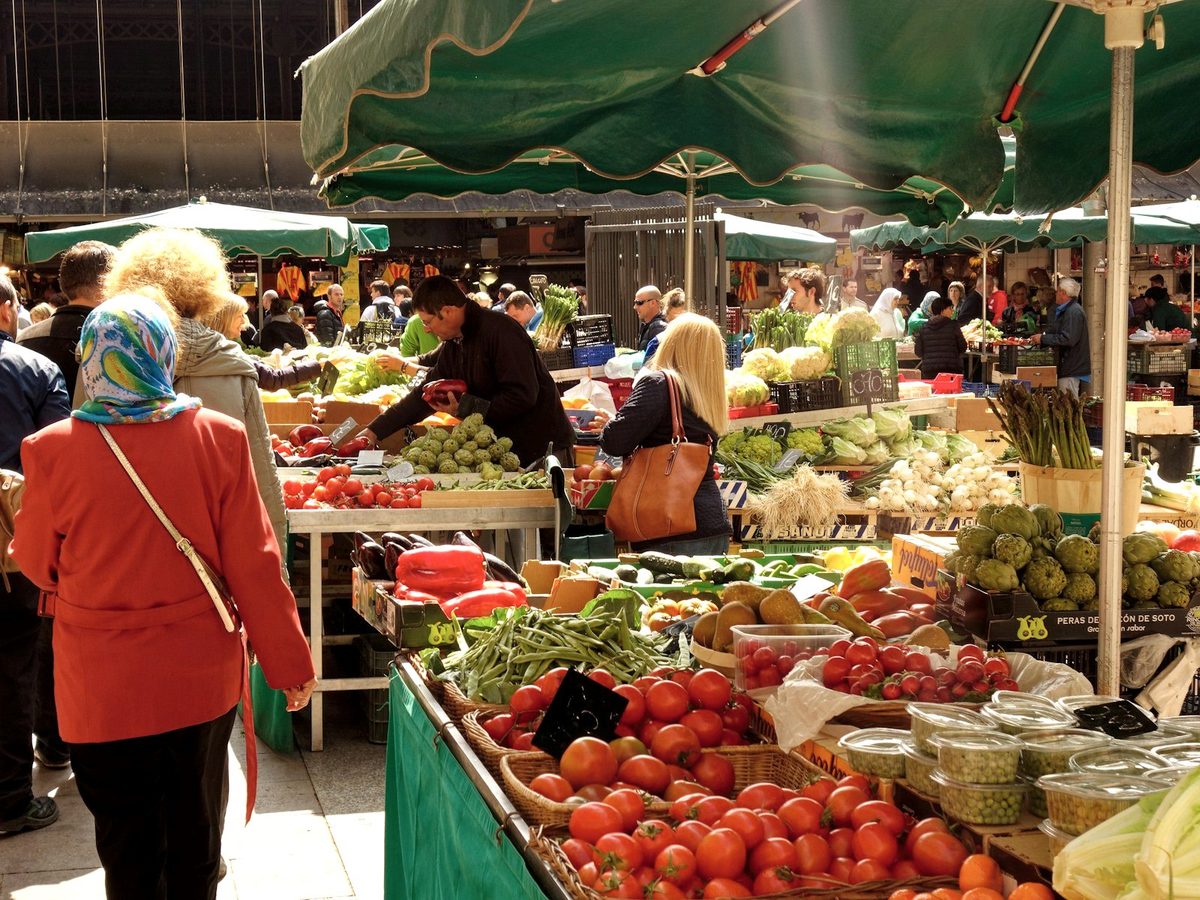
Bring back cheese, jars, spices and kitchen tools, and leave the charcuterie in France. Food rules change, so check the Canadian Food Inspection Agency (CFIA) page on bringing food into Canada for personal use before you fly, and declare all food when you land, even what you're sure is allowed.
What's always in my suitcase on the way back from France is cheese. Canada makes good cheese, and Oka or a Swiss Gruyère covers a lot of French recipes, but the French cheeses I like best are either missing here or sold only in specialty shops. So I wrap a few pieces well, put them in the checked bag, and declare them at the border.
That's why the cheese rules come first below. The short version: pasteurized cheese comes in, raw-milk cheese needs checking before you pay for it.
Can you bring French cheese into Canada?
Yes, if it's pasteurized. CFIA allows pasteurized cheese from any country for personal use, up to 20 kg per person, and you must declare it when you arrive.
Raw-milk cheese is different. CFIA only allows it from countries free of certain animal diseases, and France is currently not recognized as free of lumpy skin disease, a cattle disease. Many of the big French cheeses, Comté and Reblochon among them, are made from raw milk, so read the label for lait pasteurisé, or check CFIA's Automated Import Reference System (AIRS) before you buy a raw-milk cheese.
- Pack cheese in the checked bag, wrapped tightly, with soft cheeses in a rigid box.
- Keep the label on: it says lait pasteurisé or lait cru, so you can show which rule applies.
- Declare it, even one small piece. Customs duty is a separate question from CFIA's rules, and the Canada Border Services Agency (CBSA) explains what you owe in its I Declare guide.
Cheese also has a customs value limit: the dairy import permit covers about $20 of dairy per trip, and above that the duty can be very high. Check CBSA's I Declare guide before you buy more than a couple of pieces.
Meat: what stays in France
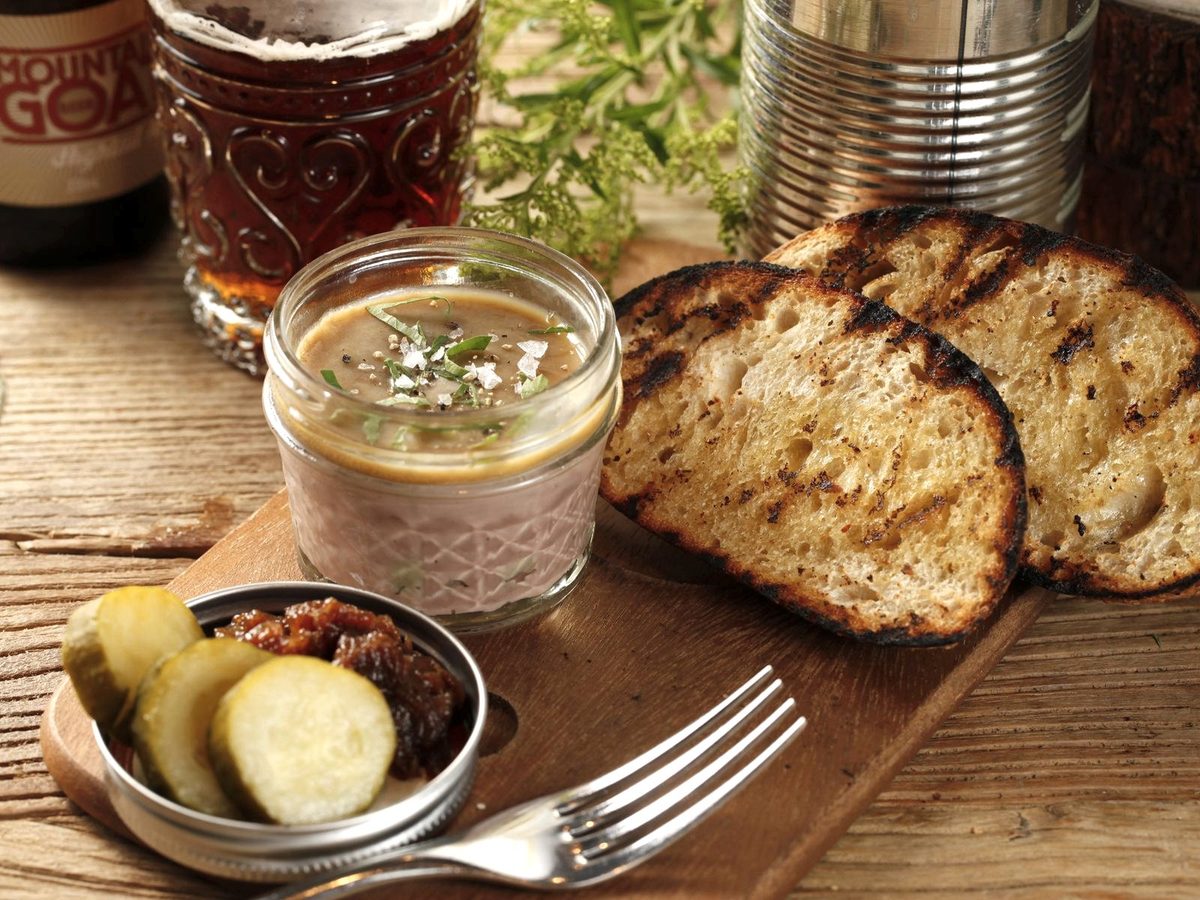
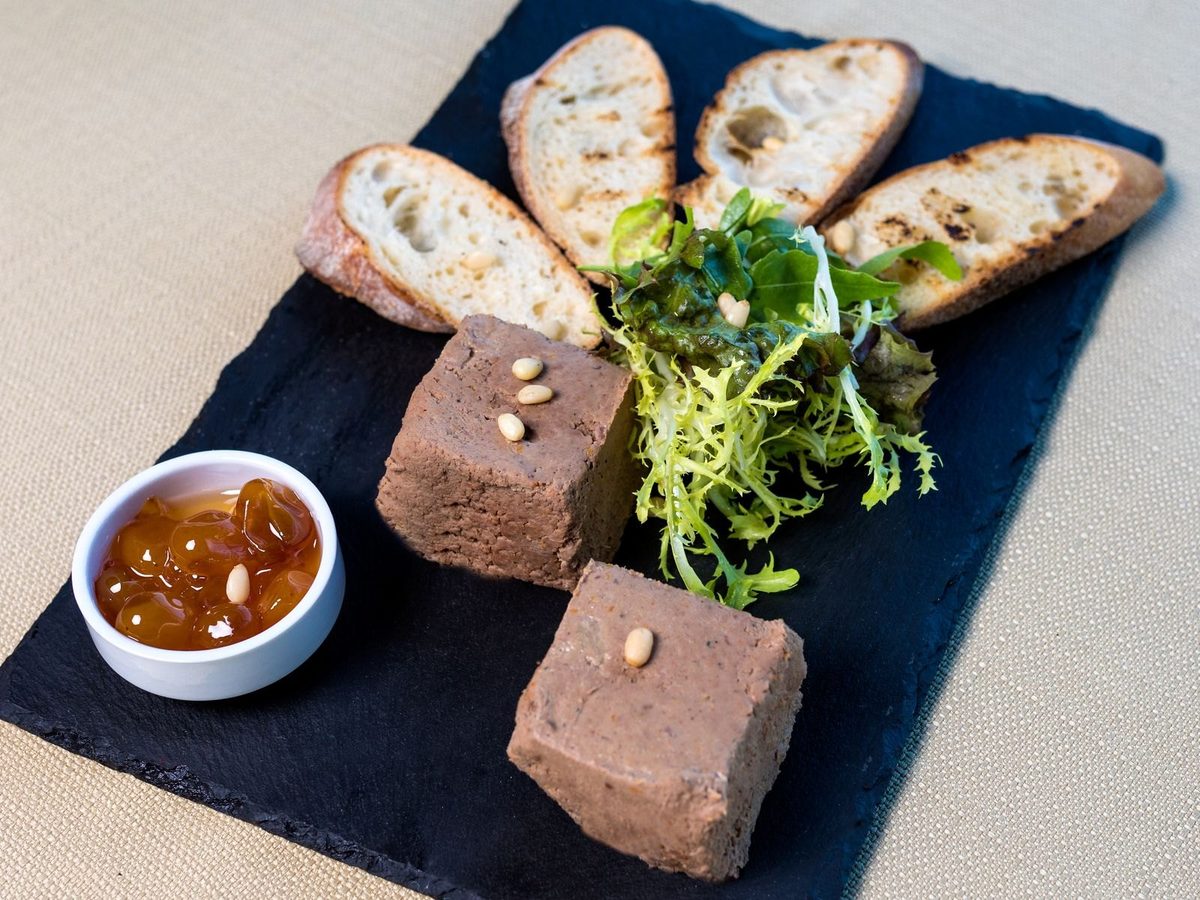
Fresh, dried and cured meat isn't allowed from France, or from any country other than the US. Pâté, rillettes and terrine from the charcuterie counter stay behind, and so do saucisson and jambon: the charcuterie guide has the Canadian versions.
A commercially prepared meat product, like a tin of rillettes, confit or cassoulet, is allowed only if it's shelf-stable, commercially sealed, and carried with you, not mailed or couriered. Anything containing beef has extra conditions, so check AIRS for France before you buy, and declare the tin either way.
If the answer isn't clear, leave the tin on the shelf. Rillettes, a country pâté and a cassoulet are all made here with Canadian pork.
Wine and spirits
After 48 hours or more away, each adult who meets the drinking age of the province they land in can bring in one of these duty-free: up to 1.5 L of wine (two 750 mL bottles), up to 1.14 L of spirits, or up to 8.5 L of beer. Above that, you pay duty and provincial taxes. CBSA's personal exemptions page has the details.
The rest of the food
Bread, pastries, chocolate and candy are fine as long as there's no meat in them. Don't pack eggs, or fresh fruit and vegetables.
CFIA and CBSA rules checked on 20 October 2026.
Pack jars in your checked bag
Mustard, crème de marrons and other spreads count as liquids at airport security, so a jar over 100 mL won't get through in your carry-on. Wrap each jar in a sweater, put it in a zip bag, and pack it in the middle of your checked suitcase.
What's worth the suitcase space
- Small-producer mustards (Fallot and the like): the choice is far wider in France, and these are hard to find in Canadian supermarkets.
- Fleur de sel from Guérande or Camargue.
- Piment d'Espelette, the Basque chili powder, for a pinch on eggs, fish or a piperade.
- Crème de marrons, sweet chestnut spread, for crêpes and yogurt.
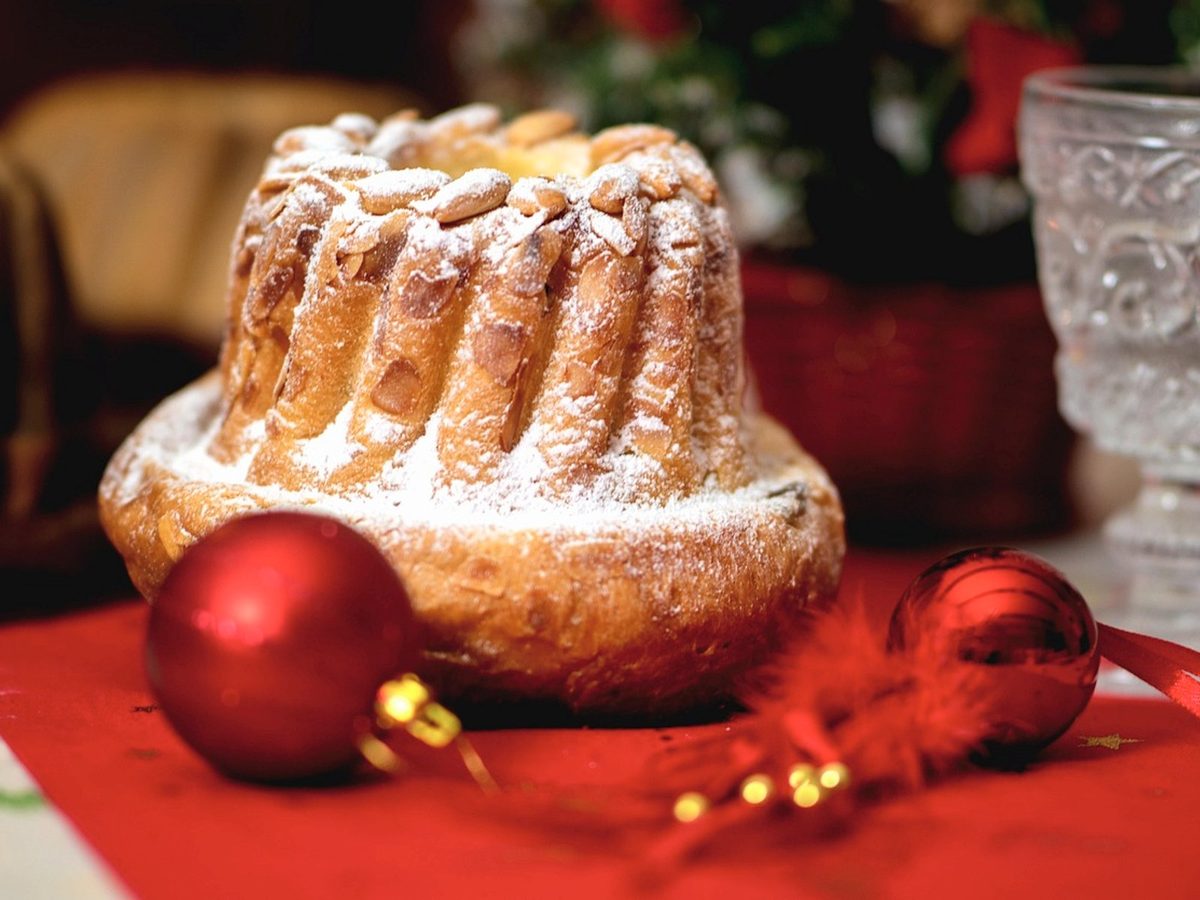
- Kitchen tools: copper cannelé moulds, tart rings, a glazed earthenware kougelhopf mould. They're cheaper and easier to find in French kitchen shops.
What you can skip, because it's sold here
- Sucre vanillé: 1 tsp of pure vanilla extract replaces a sachet. Dr. Oetker vanilla sugar, in 9 g sachets at Metro and Walmart, is there if you want sachets.
- Levure chimique: baking powder is in every Canadian baking aisle (Magic, 225 g, at Metro, IGA and Walmart). The yeast guide converts a French 11 g sachet into teaspoons.
- Everyday Dijon: Maille Dijon Originale and Maille Old Style (à l'ancienne) are listed at Voilà by Sobeys, and French's Dijon, made with Canadian mustard seed, is at Walmart and Voilà. The mustard guide says which to use where.
- Pans for everyday baking: madeleine pans are sold at Linen Chest, and a Nordic Ware 10-cup Bundt pan on Walmart.ca, or a 12-cup one at Canadian Tire, bakes a good kougelhopf. Non-stick cannelé trays are sold on Amazon.ca; copper moulds are the thing worth carrying home.