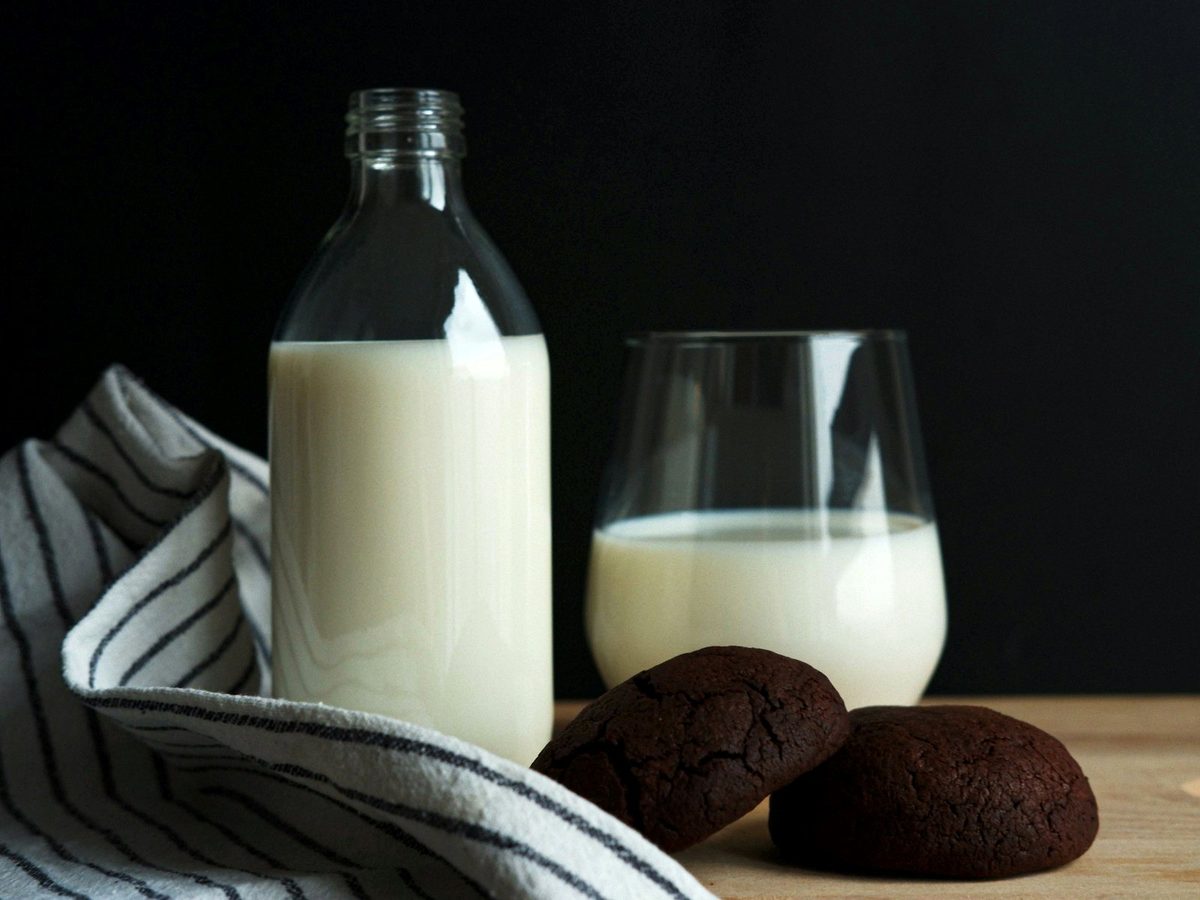
When a French recipe says lait entier, buy 3.25% milk. In Quebec the carton says lait 3,25 %; in Ontario and the West it's usually labelled homogenized, or just homo. For lait demi-écrémé, 2% is the closest match.
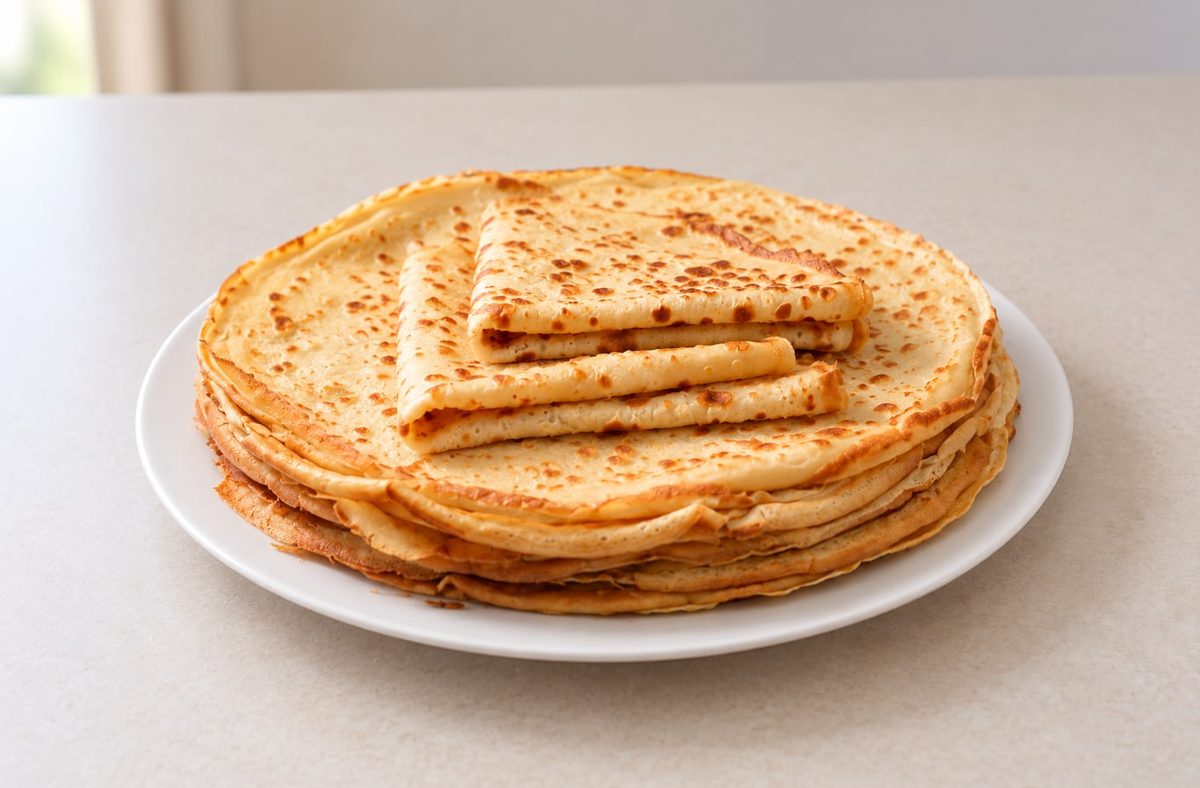
For crêpes, I don't go looking for 3.25%: 2% is fine. The batter is a touch less tender than with whole milk, and once the crêpe is folded around butter and sugar, or ham and cheese, you won't notice.
Canadian 2% is actually a little richer than the demi-écrémé most French families pour every morning, so a French crêpe recipe made with it lands where it would at home. Where I do keep to 3.25% is the custards, below, where the milk is most of the dish.
Does 3.25% behave like French whole milk?
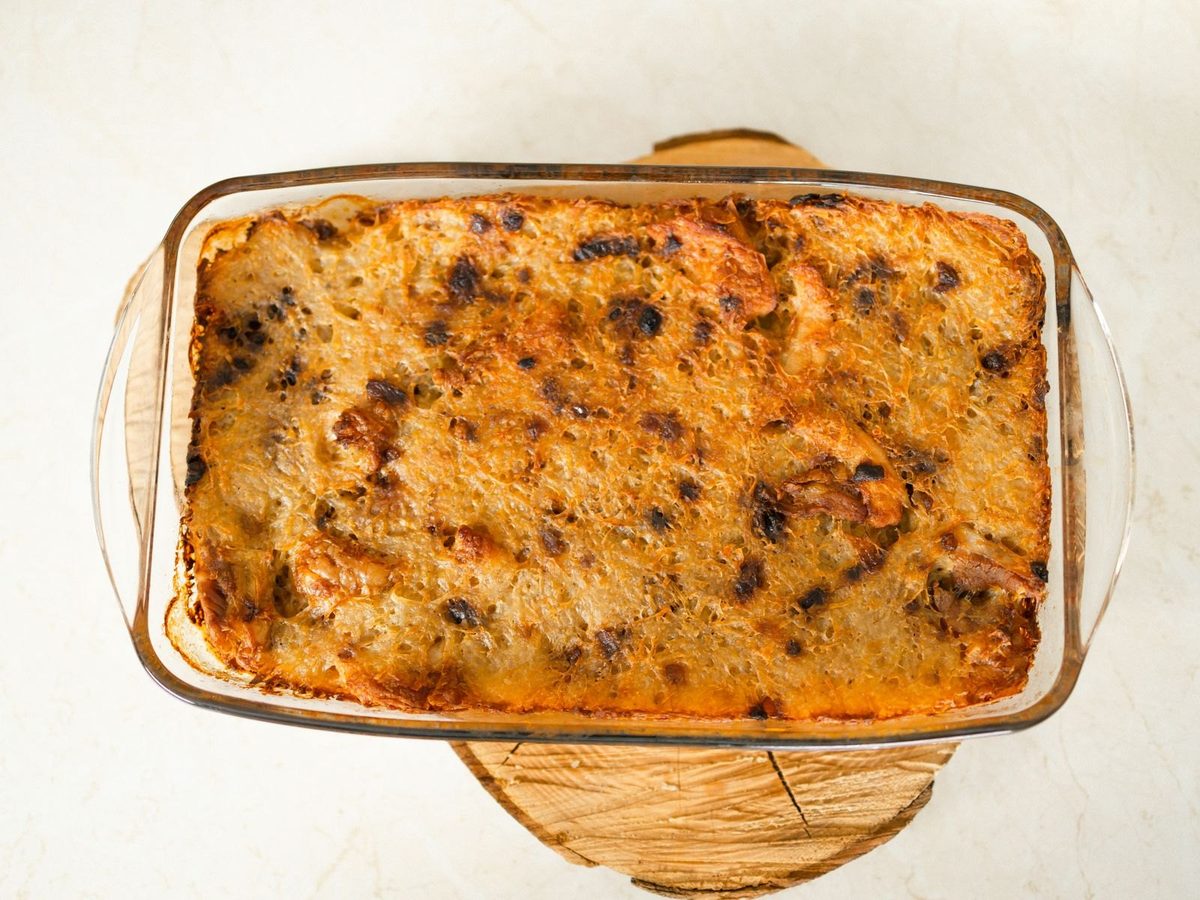
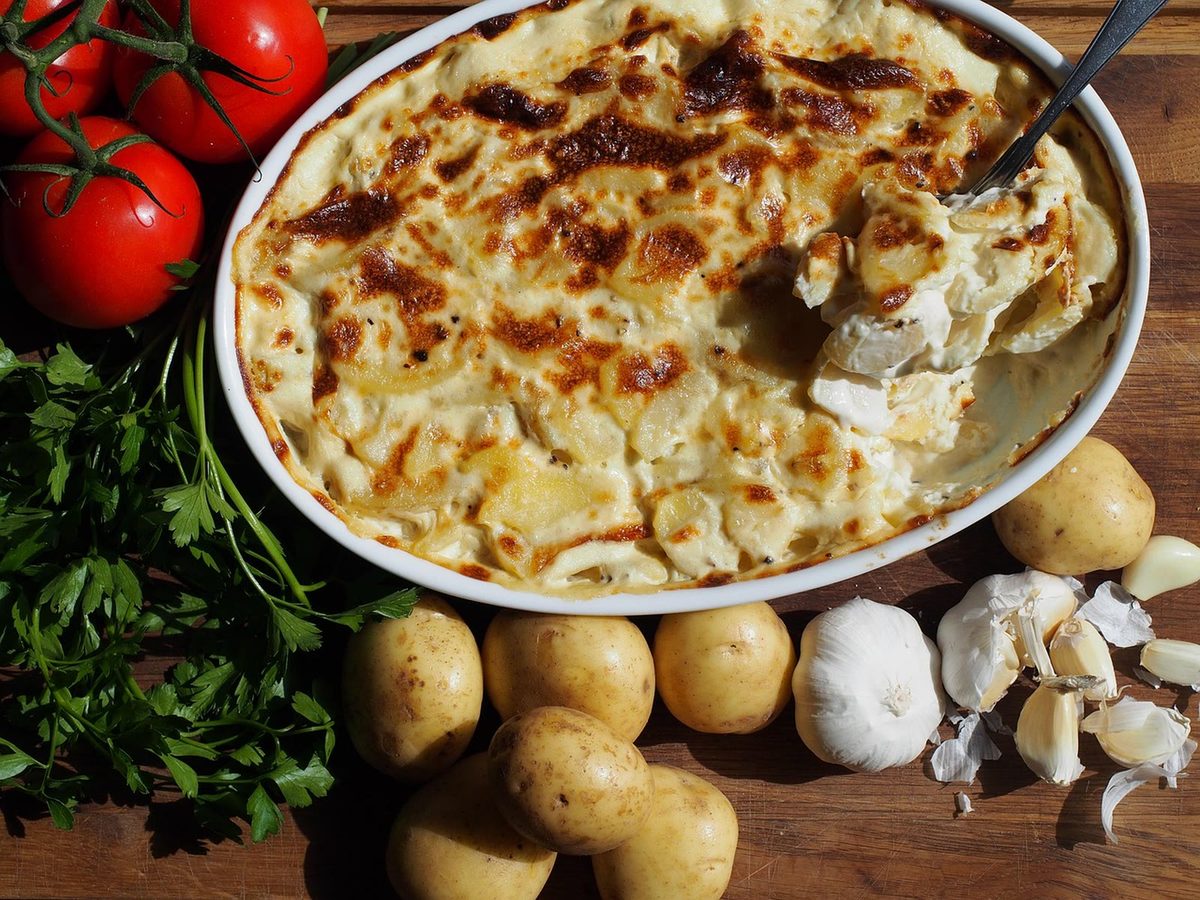
Yes. French lait entier has at least 3.5% fat, a quarter of a point more, and you won't taste that gap in a crêpe batter, a béchamel or a custard. Use 3.25% wherever a French recipe says lait entier: far breton, cannelés, gratin dauphinois and crème pâtissière.
The bigger difference is the carton. Most milk in France is UHT, kept in the cupboard until it's opened; Canadian milk is fresh and pasteurized. In a recipe, they behave the same. For a far breton or cannelés I wouldn't use 2%: the batter is mostly milk, and you taste it.
What if I only have 2%?
Crêpes take 2% as it is. For custards, where milk is the main liquid, bring it up to whole milk: take 40 mL out of each litre of 2% and replace it with 35% whipping cream. That lands at about 3.3%, the same as the 3.25% carton.
Skim makes pale, dry crêpes and thin custards. If it's all you have, the same trick works with more cream: replace 90 mL per litre with 35% cream, which lands at about 3.25%.
Demi-écrémé is 1.5 to 1.8% fat, so 2% sits just above it. A recipe written for demi-écrémé works with 2% as is; 1% works in a pinch for crêpes, but not for custards.
Can I buy lait cru here?
No. Selling raw milk to consumers is illegal across Canada, so a French recipe that calls for lait cru gets pasteurized whole milk here. For cooking, you won't notice; raw milk matters mostly to cheesemakers.
Fine-filtered and lactose-free milk
Fine-filtered milk, like Natrel's 3.25% in 2 L cartons at Metro and Super C, is filtered so it keeps longer in the fridge. It cooks exactly like regular 3.25%.
Lactose-free milk works the same way in crêpes, custards and béchamel. It tastes a little sweeter, because the lactose has been split into simpler sugars, which you'll only notice in a plain custard.
Lait ribot, babeurre and Canadian buttermilk
Babeurre is the liquid left after churning butter. Lait ribot is the Breton version, fermented, sour and pourable, drunk with crêpes and galettes. Canadian buttermilk is the closest carton: it's cultured and tangy, and usually 1% fat.
Sealtest sells 1% buttermilk in 1 L cartons at Sobeys. In a buckwheat galette or a crêpe batter, you can replace up to half the milk with buttermilk for a little tang; past that, the batter gets thick and sour.
Buttermilk is also what starts homemade crème fraîche: see crème fraîche in Canada.
Lait concentré: two cans, not one
Lait concentré non sucré is evaporated milk: milk cooked down to about half its volume, with no sugar added, sold here as Carnation in 354 mL cans. Lait concentré sucré is sweetened condensed milk, thick and sugary; Eagle Brand sells it in 300 mL cans. Both are in the baking aisle, not the dairy case.
Don't swap one for the other. A French recipe built on lait concentré sucré counts on its sugar, and evaporated milk would leave the dessert bland and loose.
Milk in bags
In Ontario, Quebec and the Maritimes, milk is often sold as a 4 L pack of three bags, about 1.33 L each, in 3.25%, 2%, 1% and skim. It's the same milk in a different package. For a recipe, pour it into a jug and measure; don't count by the bag.